

Aid stations are an important part of many triathlons, particularly long distance events where athletes need regular access to fluids, carbohydrates, and sometimes cooling supplies. Using them well requires more than grabbing whatever is available. You should know where aid stations are located, what products they provide, and approximately what you plan to take before reaching them. On the bike, safe positioning and predictable movement are essential. On the run, moving past crowded early tables can often make collecting supplies easier. Your strategy should also be practiced in training. Race day is not the ideal time to discover that a sports drink, gel, or carbohydrate intake causes stomach problems.
In Short
- Check aid station locations before race day.
- Learn exactly what food and drinks the event provides.
- Practice using those products during training if possible.
- Decide what you need before entering each station.
- Slow progressively rather than suddenly.
- Never swerve across other cyclists to collect a bottle.
- Use later tables when the first tables are crowded.
- Keep moving unless you genuinely need to stop.
Study the Aid Stations Before Race Day
Your athlete guide should explain where aid stations are located and what they provide.
Long course races may offer:
- Water
- Sports drink
- Gels
- Food
- Other supplies
Run stations may also provide ice, sponges, or cooling options in hot conditions. Read this information before planning your nutrition. If you know approximately when each station appears, you can decide how much food and fluid you need to carry yourself. This is particularly important in long races. Following how to beat dehydration during an ironman triathlon can help you build a hydration strategy around expected conditions rather than simply drinking as much as possible whenever you reach a station.
Know What You Need Before You Arrive
Do not reach an aid station and then start deciding whether you want water, carbohydrate, or both. Make the decision beforehand when possible. For example, you might approach a bike station already knowing that you need one bottle of water. This allows you to focus on safely collecting that bottle instead of looking at every available option. A simple plan reduces confusion and unnecessary slowing. Your needs will still change during a race, but the aid station should support an existing strategy rather than become the place where you repeatedly invent a new one.
Practice the Products Provided by the Race
A race may provide a different sports drink or gel from the products you normally use.
Check the:
- Brand
- Flavor
- Carbohydrate concentration
- Serving format
when that information is available. Athletes preparing for long events can use how to fuel for a 2 hour cycling ride in a triathlon as a foundation for practicing carbohydrate intake on the bike before gradually adapting the strategy to longer race demands. Avoid introducing several unfamiliar foods or drinks late in a race simply because they are available.
Bike Aid Stations Require Extra Attention
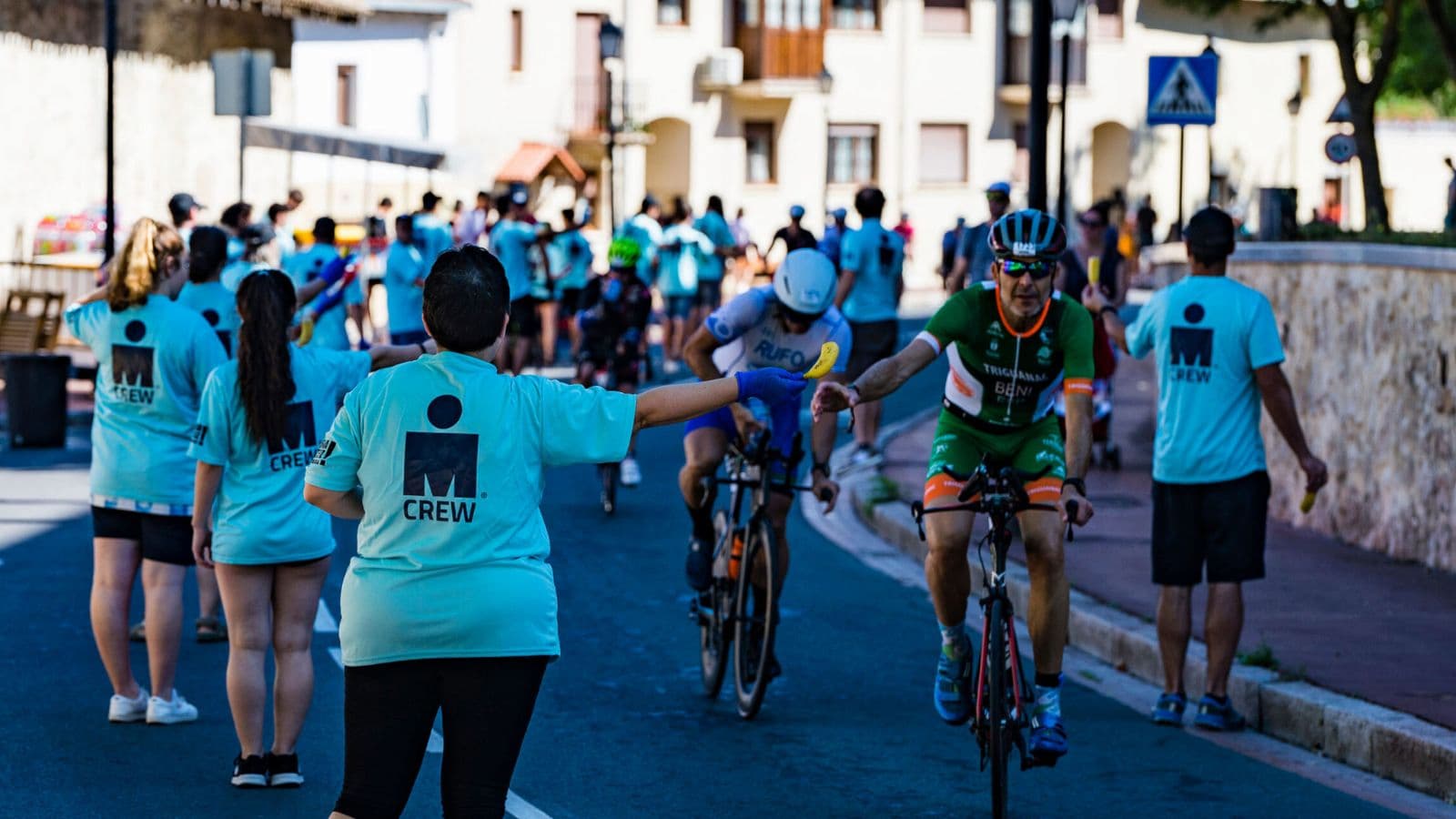
Bike aid stations can be one of the more chaotic parts of a triathlon. Athletes enter at different speeds. Some want water, others want nutrition, and some may attempt to collect several items. Look ahead before entering. Reduce speed progressively and position yourself according to the race instructions. Keep your movements predictable and avoid cutting sharply across another rider’s path. Strong bike control makes this process easier. Practicing what cycling drills help improve triathlon bike technique can improve the low speed handling and coordination needed when collecting bottles.
Safety matters more than saving a few seconds.
Do Not Stop Suddenly on the Bike
Sudden braking creates a hazard for cyclists behind you.
- If you need to slow down, do it progressively while remaining aware of surrounding riders.
- If you miss a bottle, continue forward unless race staff provide a clearly designated and safe way to stop.
- Do not turn around or cut across the course to retrieve it.
- There will often be another opportunity to collect fluid later.
If you need to stop completely because of a genuine problem, move to a safe location according to race rules rather than stopping in the main flow of riders.
Practice Taking a Bottle While Riding
Collecting a bottle from a volunteer is a skill. Practice at low speed in a safe environment before race day. Keep your eyes looking forward as much as possible, reduce speed, extend one hand, and make a controlled handoff. Do not grab aggressively. If you are not confident enough to take a bottle safely while moving, prioritize control rather than copying experienced riders. Knowing how can you improve downhill cycling reinforces the same broader principle: speed should only increase after control and technique are established.
Aid station confidence develops through practice.
Manage Hydration Rather Than Drinking Automatically
Aid stations make fluids available, but availability does not mean you need to drink everything offered. Your intake should reflect factors such as:
- Race duration
- Temperature
- Intensity
- Sweat losses
- Individual tolerance
Hot conditions can substantially increase fluid requirements. Understanding how much should you drink per hour when cycling in hot weather can help you develop a more individualized plan during training. Use aid stations to obtain the amount required by your plan and adjust sensibly according to conditions.
Use Aid Stations for Cooling in Hot Races
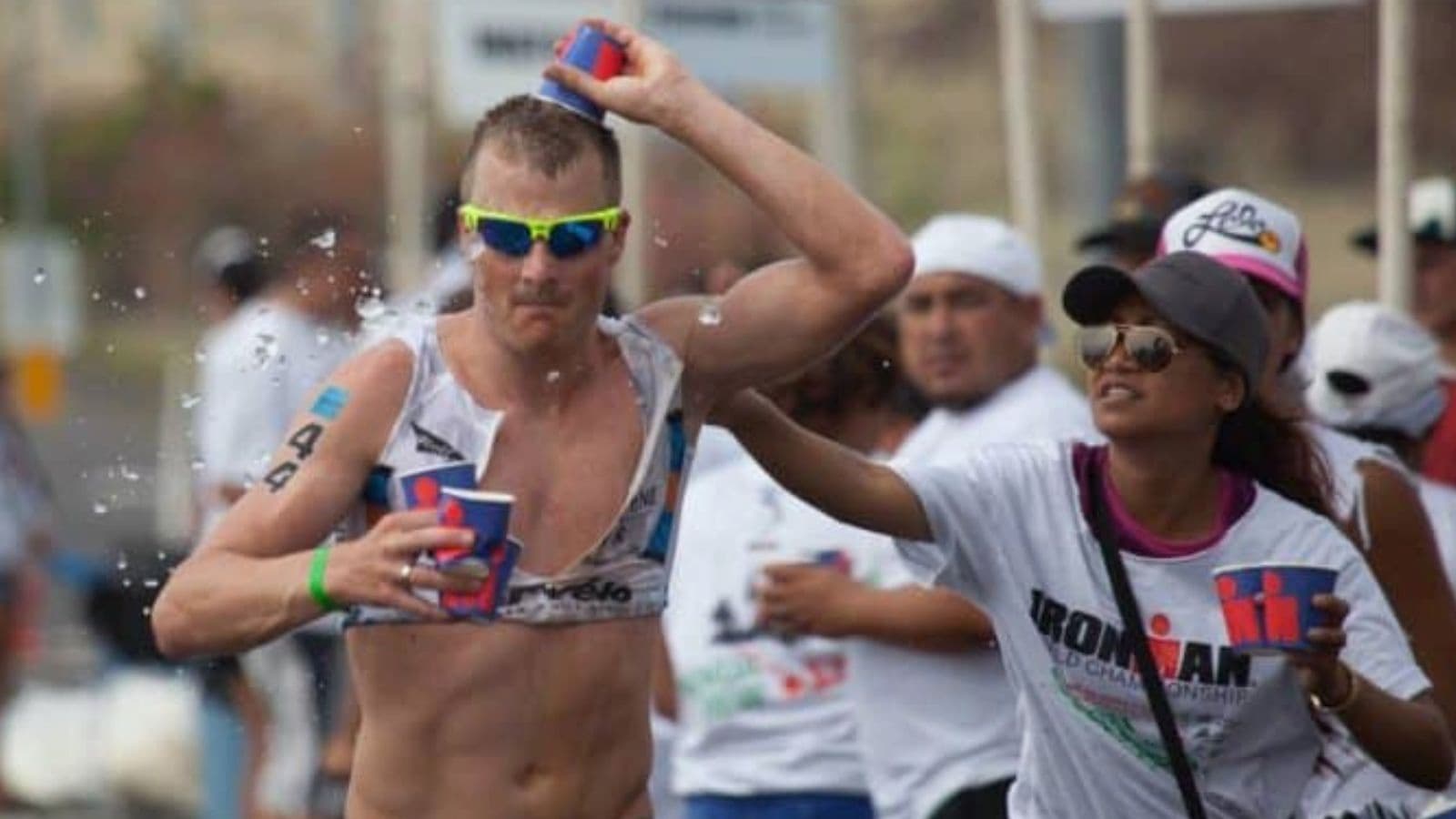
Some run aid stations provide water, ice, or sponges for cooling. These can help athletes manage heat, but distinguish between what you intend to drink and what you intend to put over your body. Do not accidentally consume large quantities of water simply because you are trying to cool down. Use cooling supplies efficiently and keep moving when possible. If you develop serious symptoms such as confusion, collapse, or loss of coordination, an aid station is no longer simply a fueling stop. Alert volunteers and seek medical assistance.
Walking Through Run Aid Stations Can Be Useful
Walking briefly through an aid station is not automatically a bad race strategy. It may make it easier to drink without spilling, consume nutrition, cool yourself, and mentally reset. The key is keeping the stop controlled. Athletes who have paced the run appropriately may lose very little time from a short purposeful walk compared with repeatedly struggling to drink while running. Understanding why is your starting pace important for long distance running can also help prevent early over-pacing that turns every later aid station into an extended recovery stop.
Walk with a purpose rather than drifting through the station.
Do Not Overeat Because Food Is Available
Long course aid stations may contain several appealing options. That does not mean you should consume all of them. Taking too much carbohydrate or combining unfamiliar foods can increase the risk of gastrointestinal discomfort. Stick reasonably close to the fueling strategy you practiced. If your stomach starts feeling uncomfortable, reduce intensity and assess the situation rather than immediately adding more food. Your fueling strategy should be based on what your body can absorb and tolerate, not how many products the race organizer has placed on the table.
Adjust the Plan When Conditions Change
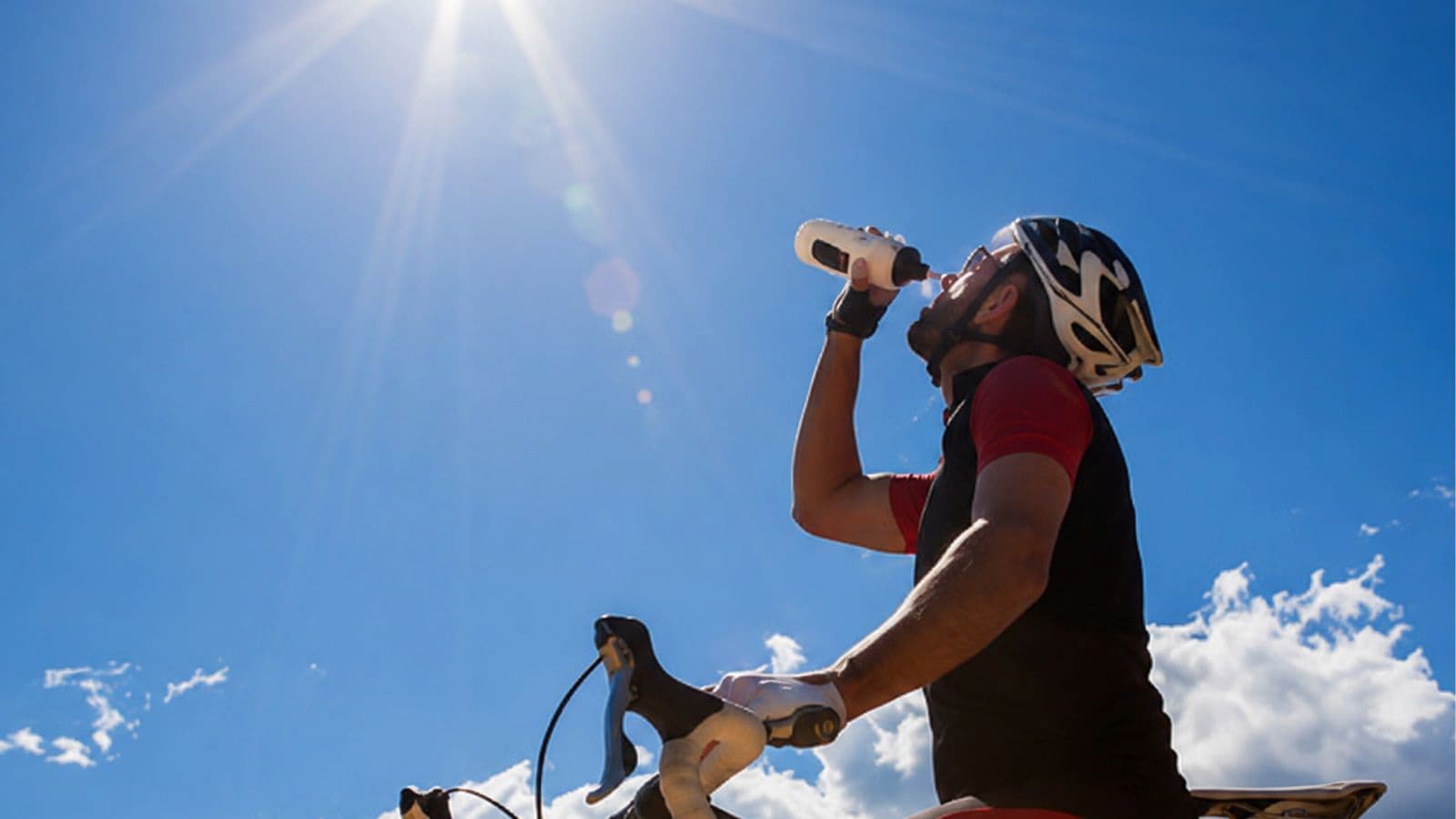
A race plan should provide structure without becoming inflexible. Hot weather may increase fluid and cooling needs. Cold conditions may change how thirsty you feel. A slower than expected race may also increase the total time you need to fuel. Athletes preparing for unpredictable conditions can benefit from how can you prepare for extreme weather in a triathlon bike leg so they understand that pacing, clothing, hydration, and nutrition may all require adjustment.
Make small, deliberate changes rather than abandoning your entire plan at the first sign of difficulty.
Aid Stations Can Help You Control Run Fatigue
Late in a triathlon, aid stations provide useful checkpoints. Instead of thinking about the entire remaining distance, focus on reaching the next station while maintaining a sustainable pace.
At each station, quickly assess:
- Do I need fluid?
- Do I need carbohydrate?
- Do I need cooling?
- Is my pace still appropriate?
- Am I experiencing any concerning symptoms?
This approach can make the final part of the race more manageable. Strategies from how can you reduce fatigue during the triathlon run leg can also help prevent aid stations from becoming repeated emergency stops caused by poor pacing earlier in the race.
Respect Volunteers and Other Athletes
Volunteers may be handing bottles or cups to hundreds of athletes. Make your intentions as clear as possible and remain respectful if a handoff goes wrong. Do not blame a volunteer because you miss a bottle. Be equally aware of other competitors. Avoid suddenly crossing the course, stopping directly in front of another athlete, or throwing bottles and packaging outside designated areas. Good aid station behavior is part of good race etiquette.
Know When an Aid Station Becomes a Medical Stop
Sometimes the correct use of an aid station is asking for help.
Stop and alert volunteers if you develop serious symptoms such as:
- Chest pain.
- Fainting.
- Severe breathing difficulty.
- Confusion.
- Loss of coordination.
- Severe weakness.
- Significant injury.
- Persistent severe vomiting.
Do not assume another cup of water will fix every problem.
Race medical staff are there for a reason.
Common Mistakes
- Not checking what the race provides.
- Trying unfamiliar nutrition on race day.
- Entering bike aid stations too quickly.
- Swerving suddenly to collect a bottle.
- Stopping directly in front of other athletes.
- Drinking automatically at every station.
- Taking more food than you practiced consuming.
- Throwing bottles outside designated areas.
- Ignoring serious symptoms because the next station is close.
Practical Tips
- Study the athlete guide before racing.
- Mark aid station locations in your race plan.
- Practice with race supplied nutrition.
- Decide what you need before entering.
- Slow gradually on the bike.
- Look beyond the first crowded table.
- Walk briefly when it improves drinking or fueling.
- Adjust intake according to conditions.
- Thank volunteers when practical.
Actionable Takeaways
Using triathlon aid stations efficiently starts before race day. Know where they are, what they provide, and how they fit into your fueling and hydration strategy. Practice the products and skills you expect to use, particularly bottle collection on the bike. During the race, stay predictable. Slow progressively, avoid sudden movements, and do not create unnecessary hazards while trying to save a few seconds.
On the run, consider moving past crowded early tables and walking briefly if that helps you drink, eat, or cool yourself effectively. Most importantly, use aid stations according to your needs rather than consuming everything available. A good aid station strategy is simple: arrive knowing what you need, collect it safely, consume it effectively, and continue racing.