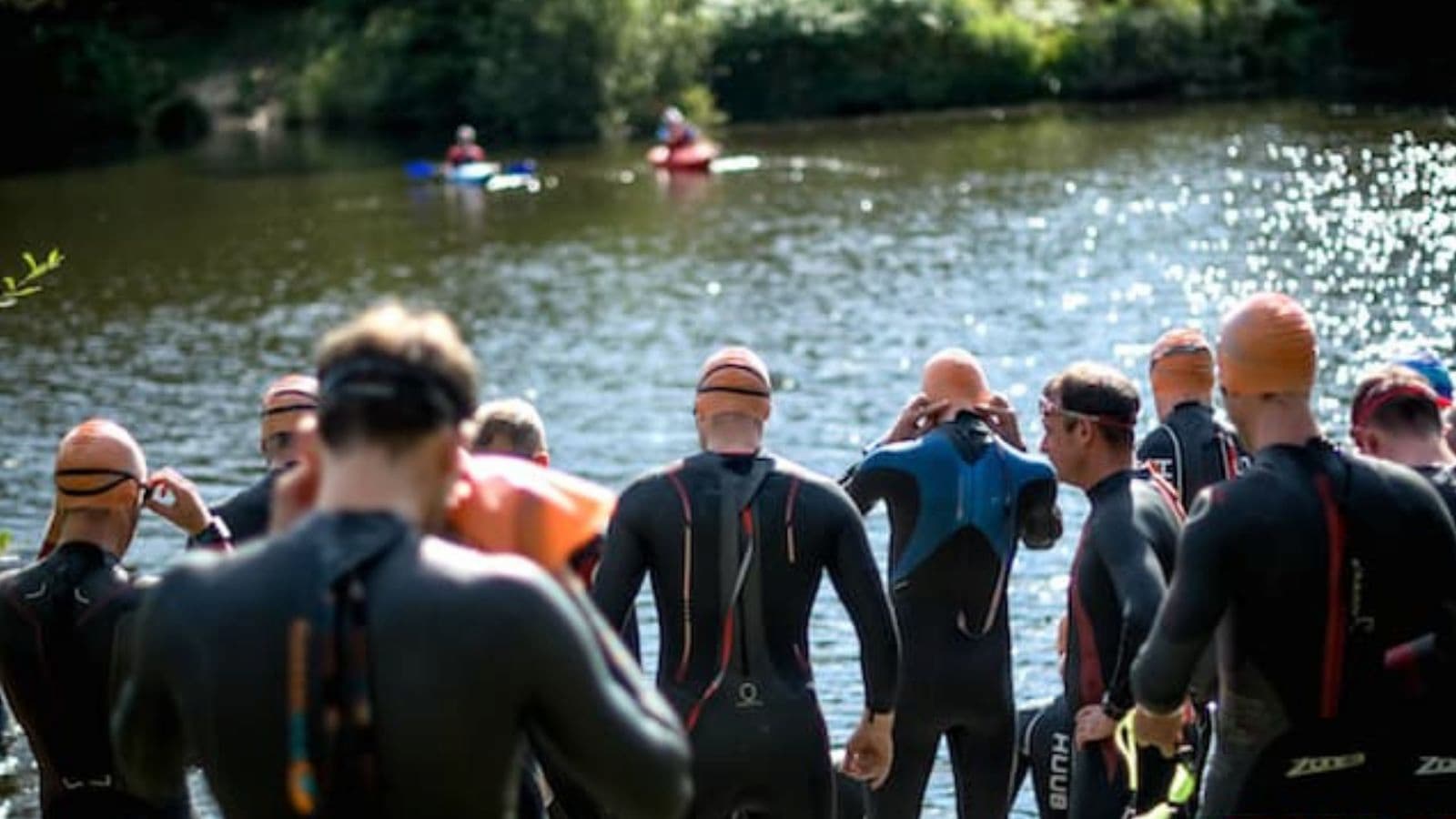


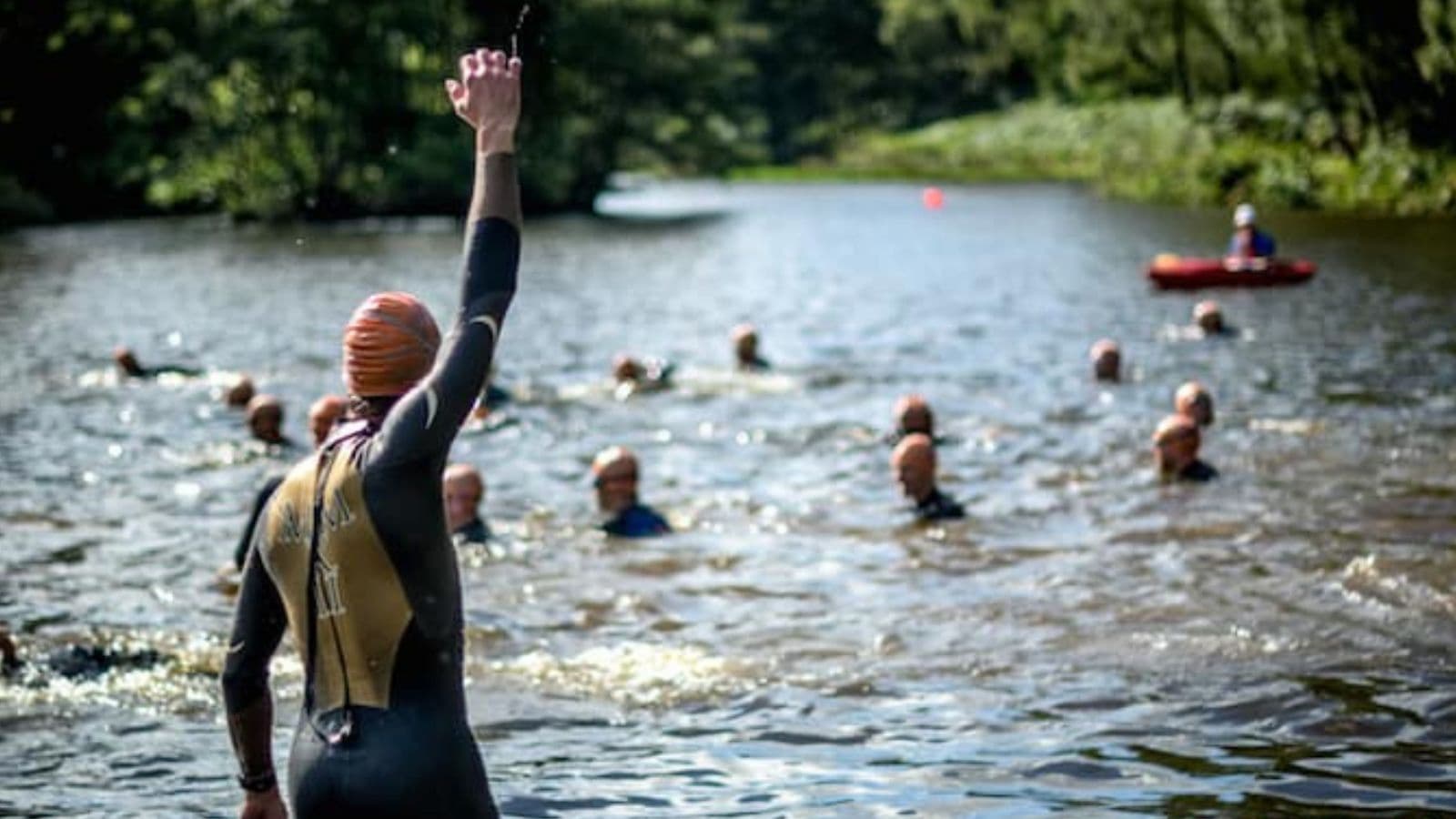
Continuing open water swimming in winter can help triathletes maintain outdoor swimming skills, confidence, and familiarity with changing water conditions. However, cold temperatures make winter swimming significantly different from training in warmer months. Cold water affects breathing, muscle function, coordination, and body temperature. Even experienced swimmers can struggle when entering very cold water without adequate preparation, appropriate equipment, and reliable safety support. Many triathletes stop outdoor swimming during winter and move entirely to indoor pools. Although pool training remains valuable, occasional supervised open water sessions may help athletes retain familiarity with outdoor environments. The key to winter open water swimming is prioritizing safety rather than distance or endurance. Gradual preparation, suitable conditions, and knowing when to stop are more important than completing a planned workout.
In Short
- Choose supervised swimming locations.
- Never swim alone in cold water.
- Check water temperature and weather conditions.
- Use suitable cold water swimming equipment.
- Enter the water gradually and cautiously.
- Keep winter sessions short and manageable.
- Recognize cold shock and hypothermia symptoms.
- Prepare warm clothing before entering the water.
- Avoid swimming when conditions are unsafe.
Understanding Cold Water Swimming Risks
Cold water creates immediate physiological responses that can affect swimming safety. Sudden immersion may trigger cold shock, causing involuntary gasping, rapid breathing, and an increased heart rate. These reactions can make it difficult to control breathing, especially when the face enters the water.
Other risks include:
- Rapid loss of hand coordination.
- Reduced swimming efficiency.
- Muscle weakness.
- Difficulty maintaining body position.
- Progressive cooling.
- Impaired judgment.
- Hypothermia.
Cold water can also affect swimming ability before core body temperature falls enough to cause hypothermia. Understanding what are the signs of hypothermia triathletes should know can help athletes recognize potentially dangerous symptoms before they become severe.
Choose a Safe Winter Swimming Location
Not every open water location is suitable for winter swimming.
- Cold temperatures
- Reduced daylight
- Changing currents
- Limited emergency access
can increase risk.
Choose locations with:
- Supervised swimming sessions.
- Lifeguards or qualified safety personnel.
- Clearly marked swimming areas.
- Reliable entry and exit points.
- Accessible changing facilities.
- Established emergency procedures.
Avoid unfamiliar lakes, rivers, and coastal areas without appropriate local safety information. Winter conditions can change quickly, so swimmers should check weather forecasts and local warnings before every session. Understanding how to handle sudden weather changes during a triathlon race can also help athletes appreciate why environmental awareness matters during outdoor training.
Use Appropriate Cold Water Swimming Equipment
Suitable equipment can improve comfort and help reduce heat loss, although it cannot eliminate cold water risks.
Important equipment includes:
- Wetsuit: Provides insulation and buoyancy.
- Neoprene swim cap or hood: Helps reduce heat loss around the head.
- Neoprene gloves: May improve hand comfort in cold conditions.
- Neoprene socks or booties: Help protect feet from cold.
- Bright swim cap: Improves visibility.
- Tow float: Improves visibility but does not replace safety supervision.
A wetsuit should fit comfortably without restricting breathing or shoulder movement. Understanding what wetsuit do you need for open water swimming can help triathletes select suitable equipment for different swimming conditions. Some organized winter swimming sessions have specific wetsuit requirements, so check local rules before participating.
Acclimatize to Cold Water Gradually
Cold water acclimatization involves becoming more familiar with the physical sensations and responses associated with colder water. However, acclimatization does not eliminate cold shock, swimming impairment, or hypothermia risk.
A cautious approach includes:
- Beginning with supervised sessions in manageable conditions.
- Keeping initial exposure brief.
- Entering the water slowly where safe.
- Allowing breathing to settle before swimming.
- Increasing exposure only when conditions and individual tolerance permit.
- Stopping immediately if symptoms become concerning.
There is no universal safe progression because water temperature, body size, health, equipment, and previous exposure all influence tolerance. Understanding how to acclimate to cold water for open water swimming in winter can help athletes approach colder conditions more carefully. Avoid treating longer exposure as proof of improved fitness or toughness.
Control Breathing Before Swimming
Cold water immersion can cause sudden gasping and rapid breathing. Trying to swim immediately during this response increases the risk of inhaling water.
Before starting:
- Enter using a safe, controlled access point.
- Keep your airway clear of the water.
- Focus on restoring steady breathing.
- Remain close to the exit.
- Begin swimming only when breathing is controlled.
Do not force prolonged breath holding or underwater swimming to overcome cold shock. Understanding how to fix breathing issues during open water swimming can help triathletes develop more controlled breathing habits during normal training. If breathing remains difficult, leave the water and seek appropriate assistance.
Keep Winter Swimming Sessions Short
Winter swimming should not follow the same distance targets as summer endurance sessions. Cold exposure can reduce muscular coordination and swimming ability even when athletes initially feel comfortable. A safer approach is to focus on brief, supervised exposure rather than achieving a specific distance.
Useful session priorities include:
- Controlled breathing.
- Comfortable swimming technique.
- Maintaining awareness of the exit.
- Monitoring hand coordination.
- Recognizing early fatigue.
- Leaving the water before significant cooling develops.
There is no universally safe time limit for cold water swimming. Athletes should follow local safety guidance and avoid extending sessions simply because they feel capable of continuing.
Maintain Swimming Fitness Indoors
Winter open water swimming does not need to provide most of a triathlete’s swimming training volume. Indoor pools offer a more controlled environment for endurance, technique, and structured workouts.
Useful pool sessions include:
- Easy aerobic swimming.
- Technique drills.
- Interval workouts.
- Breathing practice.
- Continuous endurance sets.
Understanding what swim workouts improve triathlon performance can help athletes maintain swimming fitness while reducing unnecessary cold exposure. Combining regular pool sessions with occasional supervised outdoor swimming can provide a practical winter training balance.
Practice Open Water Skills Safely
Winter swimming can help maintain familiarity with outdoor conditions, but technical practice should remain secondary to safety.
When conditions permit, swimmers can focus on:
- Maintaining relaxed body position.
- Swimming with controlled strokes.
- Practicing sighting.
- Staying oriented within marked areas.
- Recognizing changes in breathing and coordination.
Understanding how to sight properly in open water swimming can help athletes maintain direction without relying on pool lane markings. Avoid challenging navigation drills, long offshore routes, or demanding intervals in very cold water. Technical improvements are better developed in safe, controlled conditions.
Prepare for Recovery After Swimming
Leaving cold water does not immediately stop body cooling. Core temperature can continue falling after exiting, a phenomenon commonly called afterdrop. Swimmers should prepare their recovery equipment before entering the water.
Important steps include:
- Leaving the water through a safe exit.
- Drying off promptly.
- Removing wet clothing.
- Putting on warm, dry layers.
- Moving into a sheltered environment.
- Consuming a warm nonalcoholic drink if fully alert and able to swallow.
- Remaining with another person until recovered.
Understanding what strategies should triathletes follow for a better recovery can help athletes organize appropriate recovery habits around their wider training schedule. Avoid driving or leaving alone while shivering heavily, dizzy, confused, or poorly coordinated. Severe shivering, confusion, collapse, or reduced consciousness requires emergency medical assistance.
Recognize When to Stop Swimming
Knowing when to leave the water is one of the most important winter swimming skills.
Warning signs include:
- Uncontrolled breathing.
- Loss of hand coordination.
- Increasing muscle weakness.
- Difficulty swimming normally.
- Confusion or unusual behavior.
- Dizziness.
- Extreme fatigue.
- Difficulty reaching the exit.
Cold incapacitation can develop before a swimmer recognizes how seriously their ability has deteriorated. Understanding how does water temperature affect triathlon swim performance can help athletes appreciate why swimming ability changes in colder conditions. Leave the water immediately if warning signs develop, and seek emergency assistance when necessary.
Common Mistakes
- Swimming alone.
- Entering extremely cold water suddenly.
- Staying in too long.
- Ignoring weather warnings.
- Using unsuitable equipment.
- Swimming far from an exit.
- Treating shivering as a training goal.
- Neglecting post-swim warming.
Practical Tips
- Choose supervised swimming venues.
- Check conditions before every session.
- Prepare warm clothing in advance.
- Keep exposure conservative.
- Stay close to a safe exit.
- Monitor breathing and coordination.
- Maintain most fitness training indoors.
- Stop immediately when symptoms appear.
Actionable Takeaways
- Prioritize safety over swimming distance.
- Never enter cold open water alone.
- Use appropriate protective equipment.
- Keep winter exposure brief and controlled.
- Prepare for warming and recovery.