


A running power meter can improve your training by giving you another way to measure running intensity. Instead of relying only on pace or heart rate, it estimates the power you are producing while running and displays the result in watts. This can be particularly useful for triathletes because pace changes with hills, wind, terrain, and fatigue. Running power can respond quickly when effort changes, making it useful for controlling intervals, hills, brick runs, and race specific sessions. Power does not tell you everything about your fitness or running technique. Different devices also estimate running power using their own sensors and algorithms, so numbers should not automatically be compared between different systems.
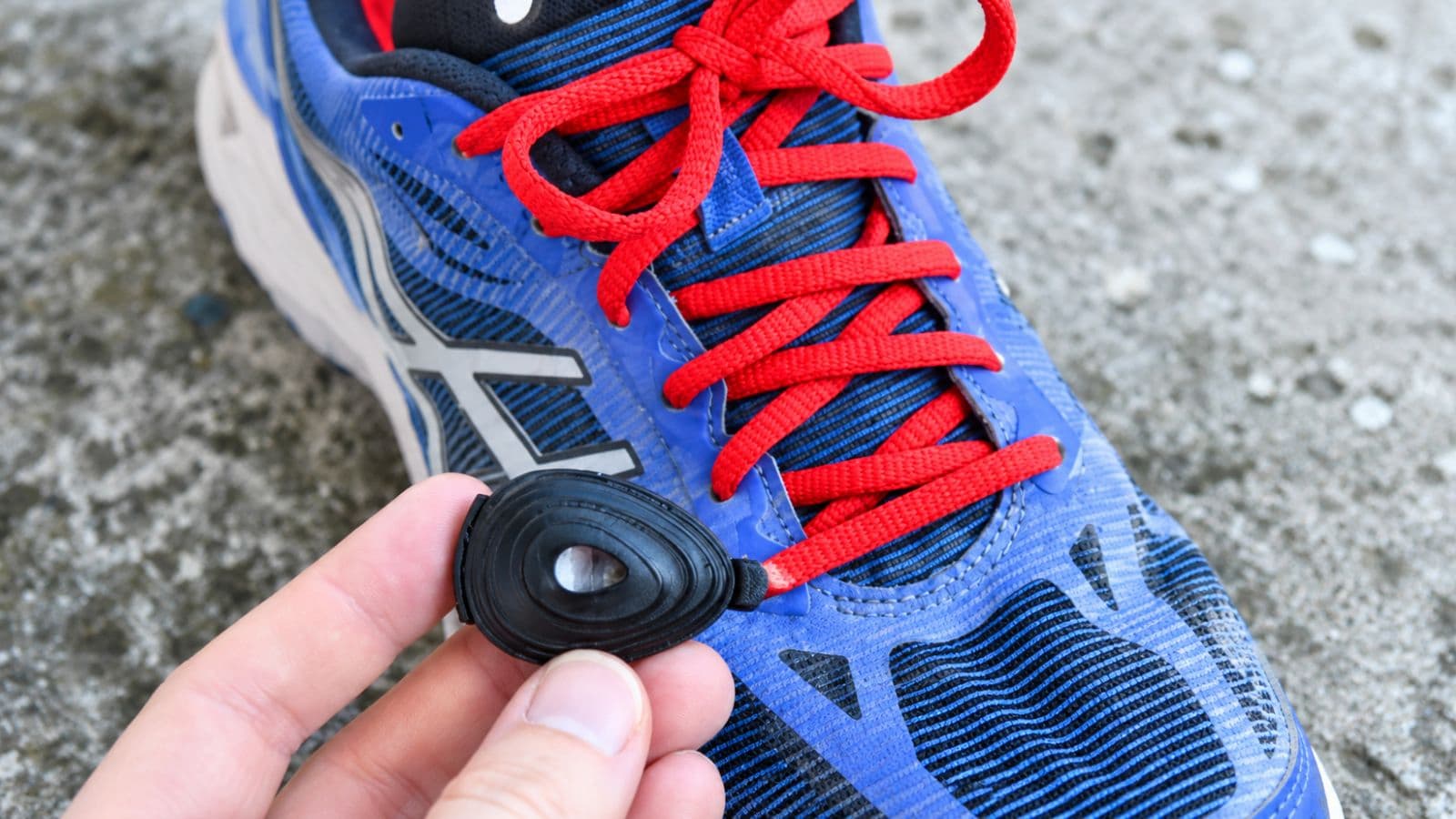
The most useful approach is to establish your own normal power values and track them consistently. Combine power with heart rate, pace, breathing, and perceived effort rather than allowing one number to control every training decision.
In Short
- Running power is measured in watts.
- It provides immediate feedback on effort.
- Power can help control hill intensity.
- It can improve interval consistency.
- Pace and power are not the same.
- Heart rate and power provide different information.
- Your own power trends matter most.
- Device readings can differ.
- Power can help with brick run pacing.
- It should support rather than replace perceived effort.
What Does a Running Power Meter Measure?
Running power meters estimate how much power you are producing while running.
Depending on the device, calculations may use information such as:
- Speed.
- Acceleration.
- Gradient.
- Movement.
- Environmental data.
The result is usually displayed in watts. Unlike cycling power, running power is generally estimated rather than measured directly through force applied to a crank or pedal. That distinction matters when interpreting the number.
Power Gives Immediate Effort Feedback
One advantage of power is how quickly it can respond when your running effort changes. If you suddenly begin climbing, your power reading can increase almost immediately. Heart rate normally responds more gradually.
This makes power useful when:
- Starting intervals.
- Running short hills.
- Changing pace.
- Controlling early race effort.
- Running variable terrain.
Learning why is your starting pace important for long distance running remains important because even accurate data cannot undo the fatigue created by beginning too aggressively.
Power Can Help You Run Hills More Consistently
Pace becomes difficult to interpret when gradient changes. You may slow significantly while climbing despite working much harder. Power provides another way to judge that effort.
On hills:
- Expect pace to slow.
- Watch for excessive power spikes.
- Keep effort appropriate to the workout.
- Avoid attacking every climb.
- Allow power to fall when recovering.
This can complement how does hill running improve fitness strength and endurance by helping you control how hard those hills actually become.
It Can Improve Interval Training
Power can provide a clear target during structured workouts. For example, instead of completing intervals entirely by pace, you can use a target power range and monitor whether output remains consistent.
This can help identify:
- Starting too hard.
- Fading across repetitions.
- Poor recovery.
- Inconsistent effort.
The goal is not to stare at your watch continuously. Check periodically and use the data alongside how the effort feels. When designing sessions, easy run vs tempo vs interval what each does can help ensure your power target matches the actual purpose of the workout.
Power Can Help Control Easy Runs
A power meter is not only useful for hard sessions. It can also show when an easy run is becoming harder than intended.
Your power may increase because of:
- Hills.
- Strong wind.
- Fatigue.
- Unintentional pace increases.
If the goal is easy aerobic training, reduce effort when necessary. The principles behind what is zone 2 running in a triathlon still apply because the objective is controlled aerobic work rather than producing impressive numbers on every run.
Power and Heart Rate Tell You Different Things
Power reflects your external running output. Heart rate reflects part of your body’s internal response to that work. Looking at both can provide useful context.
For example:
- Normal power + unusually high heart rate can suggest increased physiological strain.
- Normal heart rate + lower power may occur during fatigue.
- Higher power + controlled heart rate may reflect improved fitness.
These patterns need context.
Heat, sleep, hydration, illness, terrain, and accumulated training can all affect the relationship.
Power Can Help With Brick Runs
The beginning of a triathlon run can be difficult to pace because your legs already carry cycling fatigue. Race excitement can also encourage you to start too quickly. A familiar power range can provide an early pacing reference.
Use it to:
- Control the opening kilometers.
- Avoid major effort spikes.
- Settle into sustainable running.
- Compare effort with breathing and heart rate.
Following how can you bike smarter to improve your triathlon run is equally important because no running metric can fully compensate for riding the bike leg too hard.
Running Power Can Highlight Fatigue
Power data becomes more valuable when you collect it consistently.
Suppose a familiar easy run normally produces a predictable relationship between:
- Power.
- Pace.
- Heart rate.
- Perceived effort.
If the same power suddenly feels much harder, something may have changed.
Possible reasons include:
- Accumulated fatigue.
- Poor sleep.
- Heat.
- Inadequate recovery.
- Illness.
Do not make decisions from one unusual session.
Look for repeated patterns.
Can Power Show Running Improvement?
Power can help track progress, but higher watts do not automatically mean better running.
Improvement may appear as:
- Faster pace at similar power.
- Lower heart rate at similar power.
- Longer duration at sustainable power.
- More consistent output.
- Better control late in runs.
This is why power should be interpreted alongside other data. The broader principles in how to become an efficient triathlon runner can help you focus on producing useful speed without wasting unnecessary energy.
Establish Your Own Power Zones
Power zones can make training data easier to use. Zones may be based around a threshold or critical power estimate depending on the device and training system.
Typical training categories may include:
- Easy.
- Endurance.
- Moderate.
- Threshold.
- High intensity.
Do not copy another runner’s wattage. Body size, fitness, running mechanics, device type, and testing method can all influence the number. Consistency within your own system is more useful.
Do Not Compare Different Devices Directly
Running power is not calculated identically across every platform. Two devices may produce different wattage for the same runner during the same session. That does not automatically mean one device is useless.
For long term training:
- Use the same system when possible.
- Establish your baseline.
- Track trends.
- Avoid chasing another athlete’s watts.
Consistency makes historical comparisons more meaningful.
Use Power for Long Runs
Long runs are another useful application. Instead of allowing effort to rise steadily, use power as one warning sign that you are becoming too aggressive.
During long sessions:
- Keep early effort controlled.
- Avoid unnecessary surges.
- Monitor hills.
- Compare power with heart rate.
- Watch for late run changes.
This supports how to run longer distances without burning out because sustainable effort matters more than maintaining one exact pace across changing conditions.
Power Does Not Replace Running Form
A power meter cannot tell you everything about how well you are moving.
Two athletes producing similar power may have different:
- Stride mechanics.
- Posture.
- Cadence.
- Injury history.
- Running economy.
Do not deliberately change your form simply to manipulate the wattage. If technique is limiting performance, how to improve your triathlon running form provides a better framework than chasing a higher power number.
Use Power in Race Specific Training
Before using power in a race, practice with it during training.
Test your target effort during:
- Long runs.
- Brick sessions.
- Tempo workouts.
- Race simulations.
Learn how sustainable power changes after cycling. Your fresh running power may not represent what you can comfortably maintain after a long bike leg. Race specific practice gives the number practical meaning.
Common Mistakes
- Treating running power like cycling power.
- Copying another athlete’s watts.
- Chasing higher power on every run.
- Ignoring heart rate and perceived effort.
- Changing devices and comparing numbers directly.
- Using power without establishing a baseline.
- Starting intervals too hard.
- Ignoring heat and fatigue.
- Watching the device constantly.
Practical Tips
- Use one power system consistently.
- Establish normal training ranges.
- Match power targets to workout purpose.
- Monitor hills for unnecessary spikes.
- Compare power with heart rate.
- Use power during brick sessions.
- Review trends rather than isolated numbers.
- Practice race targets before competition.
- Keep perceived effort part of every decision.
Actionable Takeaways
- Use power to control effort when pace becomes unreliable.
- Track your own trends rather than other athletes’ watts.
- Combine power with heart rate and perceived effort.
- Practice with power before using it for race pacing.
If power drops significantly late in training sessions, how can you reduce fatigue during the triathlon run leg can help you determine whether pacing, cycling effort, fueling, or overall endurance needs attention.







![Jonas Schomburg wins in Kalmar 2026. [Photo credit: IRONMAN]](https://www.tri247.com/wp-content/uploads/2026/08/1H5A7725_Gfhj69jc_20260815012118.jpg)