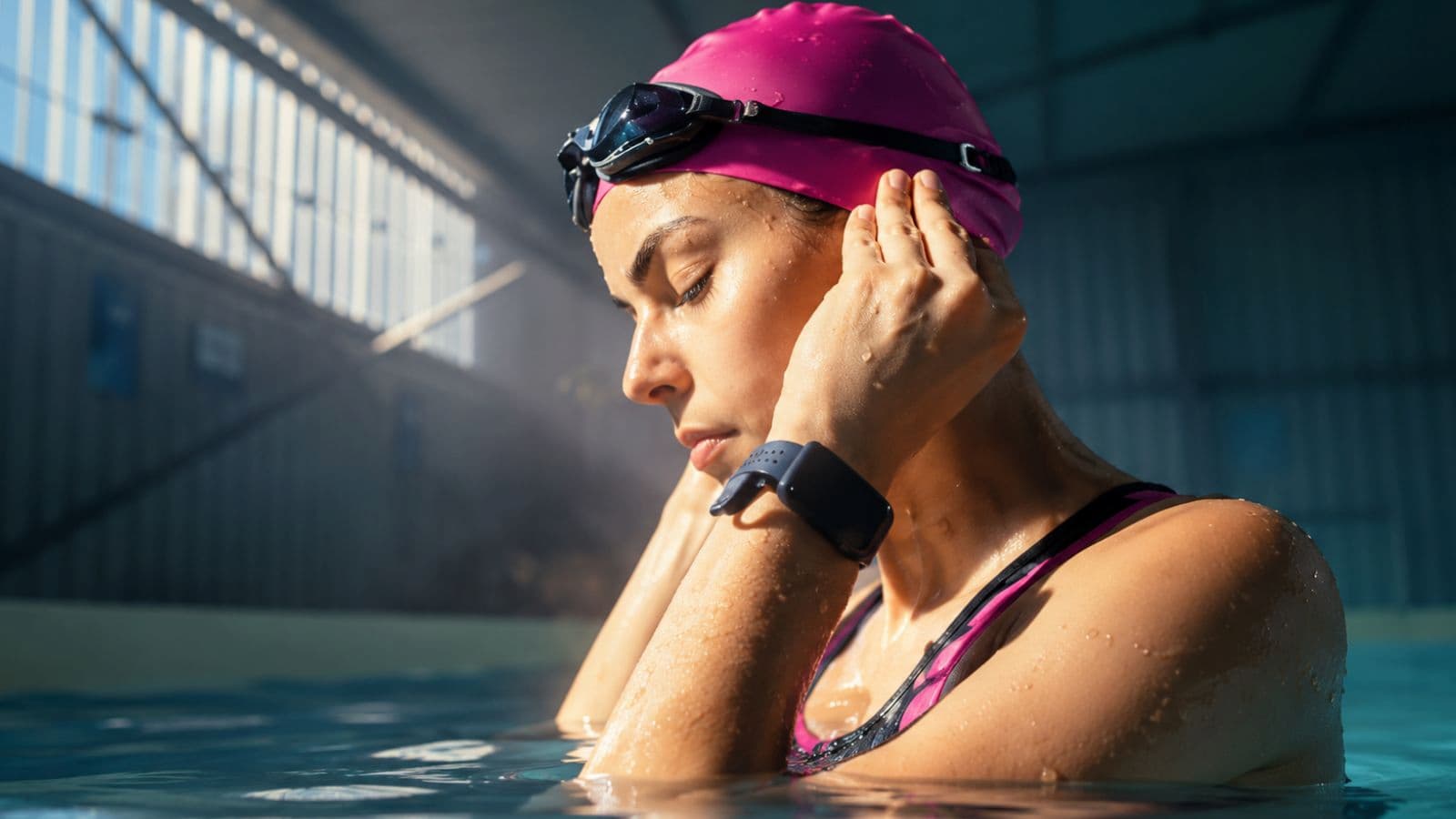


Swimmer’s ear is an infection or inflammation of the outer ear canal, the passage between the outside of your ear and the eardrum. It is commonly associated with swimming because moisture left inside the ear can create conditions that allow bacteria to grow. Triathletes may be exposed repeatedly because swim training can involve several pool or open water sessions each week. Frequent water exposure, irritation inside the ear, and some swimming environments can increase the likelihood of problems. Typical symptoms include ear pain, itching, redness, discharge, a feeling of fullness, and sometimes reduced hearing. Symptoms may become more uncomfortable when the outer ear is touched or pulled. Swimmer’s ear can often be prevented with sensible ear care. Allowing water to drain after swimming, avoiding unnecessary irritation inside the ear, keeping swimming equipment clean, and recognizing symptoms early can reduce the chance that an ear problem disrupts training.
In Short
- Swimmer’s ear affects the outer ear canal.
- Moisture can encourage bacterial growth.
- Frequent swimming can increase exposure.
- Pool swimmers can develop it.
- Open water swimmers can develop it.
- Scratching the ear canal increases irritation.
- Cotton swabs can damage the canal.
- Ear pain is a common symptom.
- Keep ears dry after swimming.
- Persistent symptoms need medical assessment.
Understanding Swimmer’s Ear
Swimmer’s ear is also known as otitis externa. It affects the outer ear canal rather than the middle or inner ear. The ear canal normally has natural defenses that help protect it from infection.
Problems can develop when:
- Water remains trapped.
- The skin becomes irritated.
- Protective earwax is removed.
- Bacteria multiply.
- The canal becomes scratched.
Triathletes increasing their pool training through how to increase triathlon swim speed should remember that more frequent swimming also means more frequent exposure of the ears to water.
Why Swimming Increases the Risk?
Water can remain inside the ear canal after you leave the pool, lake, river, or sea. Persistent moisture can soften the skin inside the canal. That can weaken its normal protective barrier.
Risk may increase with:
- Frequent swimming.
- Long swim sessions.
- Warm conditions.
- High humidity.
- Poor water quality.
- Difficulty draining the ears.
Swimming itself does not automatically cause an infection. The problem usually develops when moisture combines with irritation and microorganisms.
Pool Swimming and Ear Irritation
Swimmer’s ear is not limited to open water. Pool swimmers can develop it too. Frequent exposure means the ears may repeatedly become wet before the canal has completely dried. Pool chemicals can also irritate sensitive skin in some swimmers. Athletes using how can you improve your swim stamina for a triathlon to increase swim volume should make post swim ear care part of their normal routine.
Open Water Brings Different Risks
Open water contains naturally occurring microorganisms.
Water quality can also change according to:
- Location.
- Pollution.
- Recent rainfall.
- Agricultural runoff.
- Sewage contamination.
- Local conditions.
Check local water quality information when available. Avoid swimming when authorities have issued warnings. Environmental awareness is already an important open water skill. Learning why do you feel dizzy after swimming can also help triathletes make better decisions before entering unfamiliar water.
Recognizing the Symptoms
Swimmer’s ear can begin with relatively mild symptoms.
Common signs include:
- Itching.
- Ear pain.
- Redness.
- Tenderness.
- Fluid or discharge.
- A blocked feeling.
- Reduced hearing.
Pain when touching or pulling the outer ear can be noticeable. Not every blocked ear after swimming means you have an infection.
Water trapped temporarily inside the canal can produce a similar sensation.
Trapped Water After Swimming
Some swimmers regularly feel water remaining in their ears after training. Ear anatomy varies between people, which means water may drain easily for one swimmer and remain trapped for another.
Possible contributors include:
- Earwax buildup.
- Narrow ear canals.
- Ear shape.
- Earplugs.
- Swim equipment.
After swimming, tilt your head and allow water to drain naturally. Dry the visible outer ear gently. Do not push an object into the canal to reach trapped water.
Avoid Cotton Swabs and Other Objects
Putting objects inside the ear can create tiny scratches in the skin. This can make the canal more vulnerable to infection.
Avoid inserting:
- Cotton swabs.
- Fingers.
- Hairpins.
- Towels.
- Other objects.
Cotton swabs can also remove protective earwax or push wax deeper into the canal.
Cleaning the visible outer ear is different from trying to clean deep inside it.
Earwax Has a Protective Role
Earwax is not simply something that needs to be removed. It contributes to the ear canal’s natural protection. Repeatedly removing too much can interfere with that protection.
If earwax frequently causes:
- Blockage.
- Hearing problems.
- Trapped water.
- Discomfort.
Seek appropriate professional advice rather than repeatedly trying to remove it yourself.
Preventing Swimmer’s Ear
Prevention primarily involves limiting prolonged moisture and avoiding damage to the ear canal.
After swimming:
- Allow water to drain.
- Tilt your head gently.
- Dry the outer ear.
- Let the ears air dry.
- Avoid inserting objects.
- Keep reusable earplugs clean.
These habits become particularly relevant for athletes considering does swimming more often improve triathlon performance, because additional swim frequency also increases water exposure.
Using Earplugs for Swimming
Swimming earplugs can reduce the amount of water entering the ear for some athletes.
They should:
- Fit comfortably.
- Stay secure.
- Remain clean.
- Avoid irritating the canal.
Do not force poorly fitting plugs into your ears. Reusable plugs should be cleaned according to their instructions because dirty equipment may introduce additional irritation or microorganisms. Test earplugs during normal training before using them in a race.
Swim Caps Offer Limited Protection
A swim cap can cover the ears and reduce direct water exposure. However, most standard caps are not completely watertight. Water can still enter around the edges. A cap may therefore be useful as part of your setup, but it should not be considered guaranteed protection against swimmer’s ear. Comfort and awareness also matter during open water swimming.
Ear Drying Drops Need Care
Some swimmers use products designed to help dry the ear after swimming. They are not suitable for everyone.
Do not put drying solutions into your ears without appropriate advice if you have:
- A perforated eardrum.
- Ear tubes.
- Previous ear surgery.
- Significant ear pain.
- Active discharge.
If swimmer’s ear repeatedly returns, ask a healthcare professional whether preventive drops are appropriate for you.
Training With Swimmer’s Ear
Continuing to expose an irritated or infected ear to water may interfere with recovery. If symptoms are significant, seek medical advice before continuing normal swim training. Do not keep swimming simply because a workout is scheduled. The broader principle behind when should you stop during a triathlon also applies here. Continuing through a worsening health problem is not automatically the best training decision.
Treatment and Medical Assessment
Swimmer’s ear may require medical treatment. A healthcare professional can examine the ear and determine whether the symptoms are actually caused by otitis externa. Treatment may include medicated ear drops depending on the cause and severity. Avoid using random ear drops for persistent pain without knowing what is causing the problem. Different ear conditions can produce similar symptoms.
When Medical Advice Is Important?
Get appropriate medical assessment for:
- Significant pain.
- Persistent symptoms.
- Ear discharge.
- Swelling.
- Reduced hearing.
- Fever.
- Repeated infections.
Severe pain or spreading redness deserves prompt attention.
People with diabetes or weakened immune systems should be particularly cautious about significant ear infections.
Maintaining Fitness if Swimming Is Restricted
Missing a few swim sessions does not mean your entire triathlon fitness will disappear.
Depending on the situation, you may be able to maintain aerobic training through:
- Cycling.
- Running.
- Strength work.
- Appropriate mobility.
Do not compensate by suddenly doubling another discipline.
Using how should you adjust triathlon training when time is limited can help you prioritize useful training while swimming is temporarily unavailable.
Returning to Swimming
Return according to the advice you have received and the severity of the problem.
When you resume:
- Start with manageable sessions.
- Use clean equipment.
- Monitor symptoms.
- Dry the ears afterward.
- Avoid irritating the canal.
Do not immediately increase swimming frequency because you feel you need to replace missed sessions. Technique and consistency remain more useful than trying to recover lost training in a few days.
Open Water Race Preparation
Race day adds another reason to think about ear care.
Open water athletes should consider:
- Water quality.
- Familiar earplugs.
- Swim cap fit.
- Post swim drying.
- Existing symptoms.
Do not introduce unfamiliar ear products immediately before your event. You should also practice the race environment itself. How do you start an open water swim in a triathlon can help prepare you for the congestion and positioning involved in open water starts.
Hearing and Race Safety
Significant ear blockage or pain can affect comfort and potentially reduce hearing.
During a race, hearing can help you notice:
- Safety instructions.
- Other athletes.
- Officials.
- Boats or watercraft.
- Emergency warnings.
Do not ignore a significant ear problem simply because an event is approaching. Open water confidence also depends on remaining aware of your surroundings, and how can you avoid getting swum over at the start of a triathlon can help you manage positioning around other swimmers.
Build Better Swim Habits
Ear care should become routine rather than something you only think about after an infection.
After regular swimming:
- Drain your ears.
- Dry them gently.
- Clean reusable equipment.
- Monitor recurring irritation.
- Avoid unnecessary ear cleaning.
The same principle applies to other aspects of swim preparation. Improving how to coordinate breathing with your swim strokes in a triathlon works best when good technique and sensible training habits are practiced consistently.
Common Mistakes
- Leaving ears wet for long periods.
- Using cotton swabs inside the canal.
- Scratching an itchy ear.
- Swimming through worsening pain.
- Ignoring ear discharge.
- Using unsuitable ear drops.
- Wearing dirty earplugs.
- Ignoring water quality warnings.
- Assuming pool swimmers cannot develop swimmer’s ear.
Practical Tips
- Drain your ears after swimming.
- Dry only the visible outer ear.
- Keep reusable earplugs clean.
- Avoid inserting objects.
- Check open water quality.
- Test earplugs during training.
- Monitor recurring symptoms.
- Get persistent pain assessed.
- Allow an infected ear time to recover.
Actionable Takeaways
- Keep ears dry without aggressively cleaning them.
- Protect the ear canal from scratches and irritation.
- Use clean and properly fitting swim equipment.
- Get persistent pain or discharge assessed.
Good open water preparation also involves efficient navigation. Why swimming straight matters in open water triathlon can help reduce unnecessary swimming distance while you develop the wider skills needed for confident race day swimming.