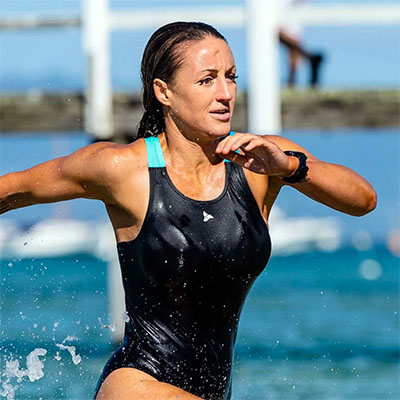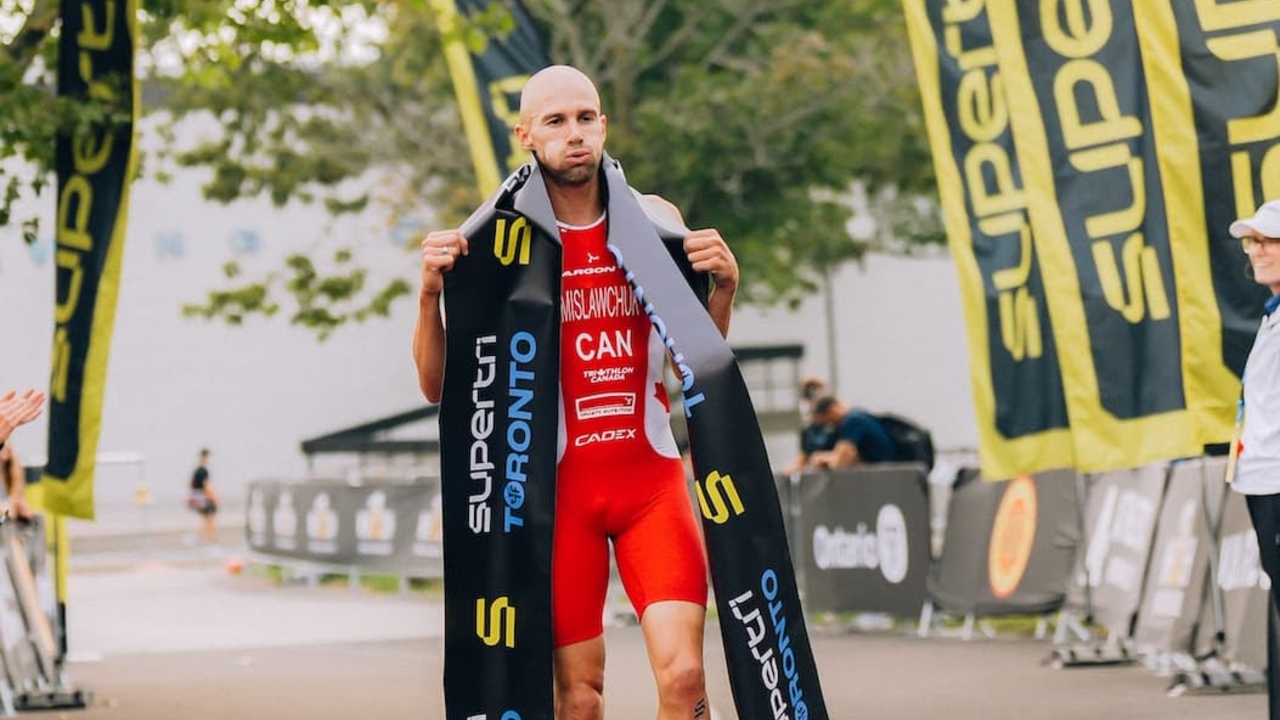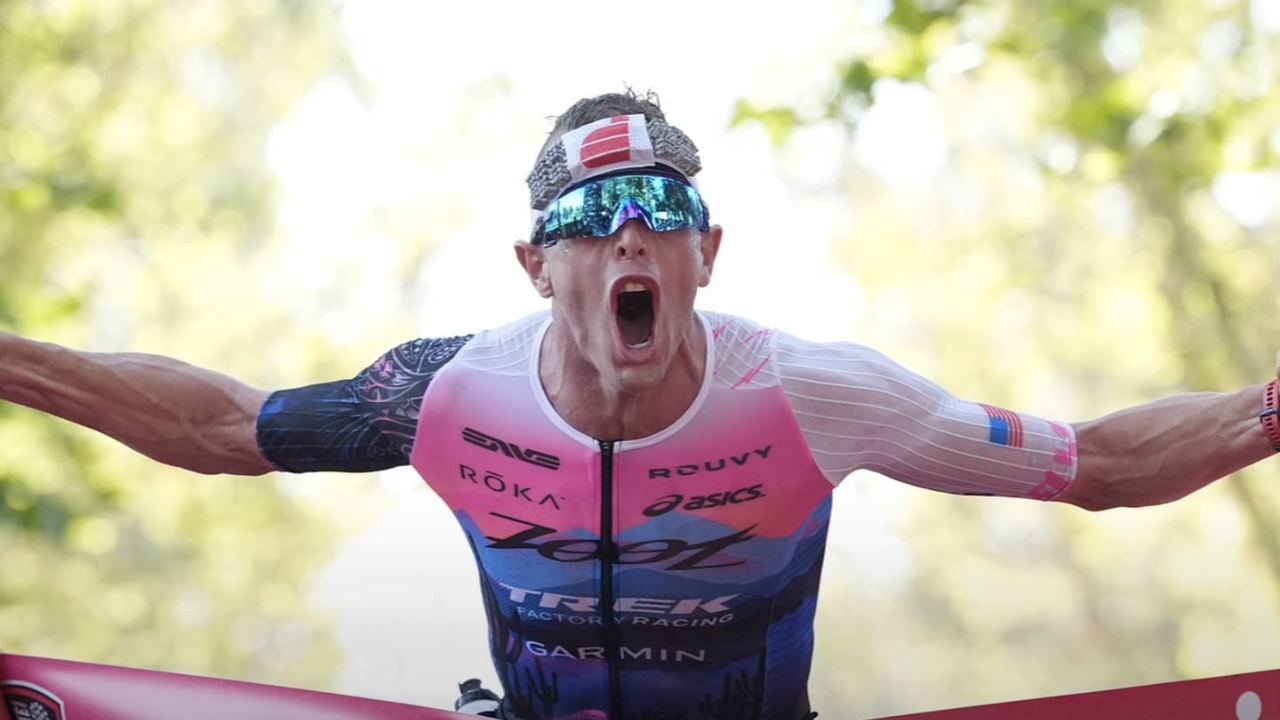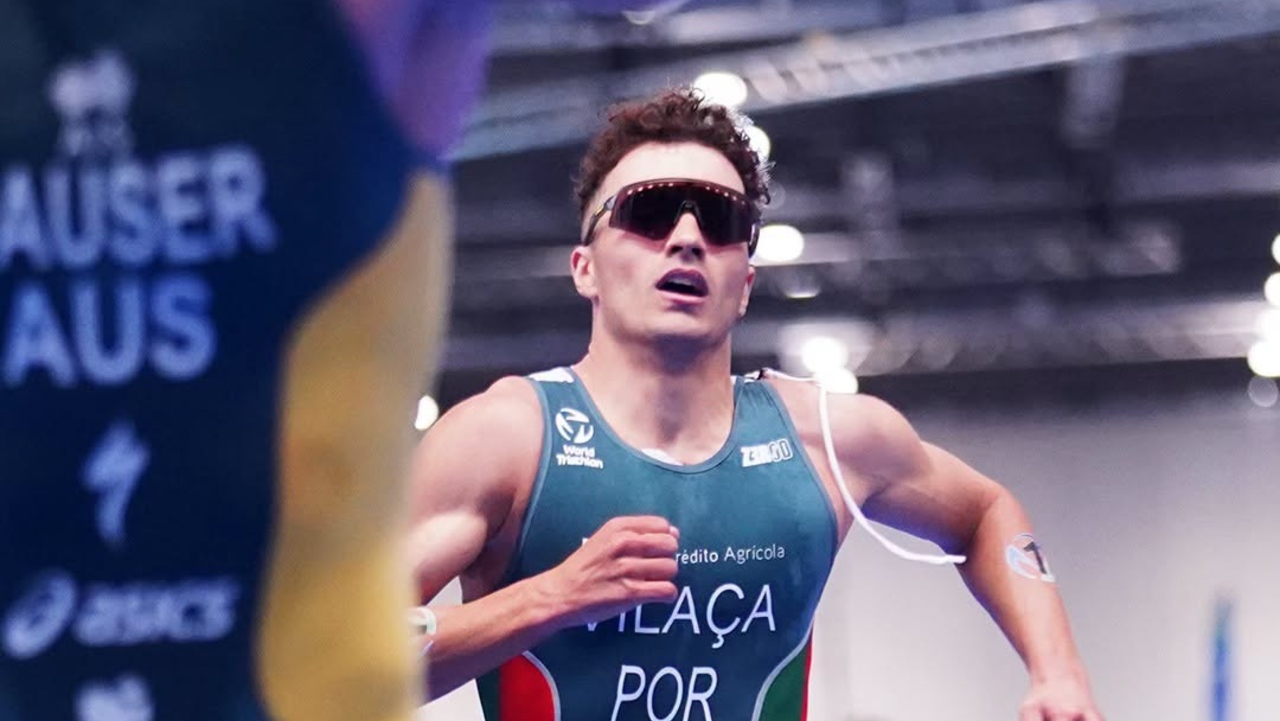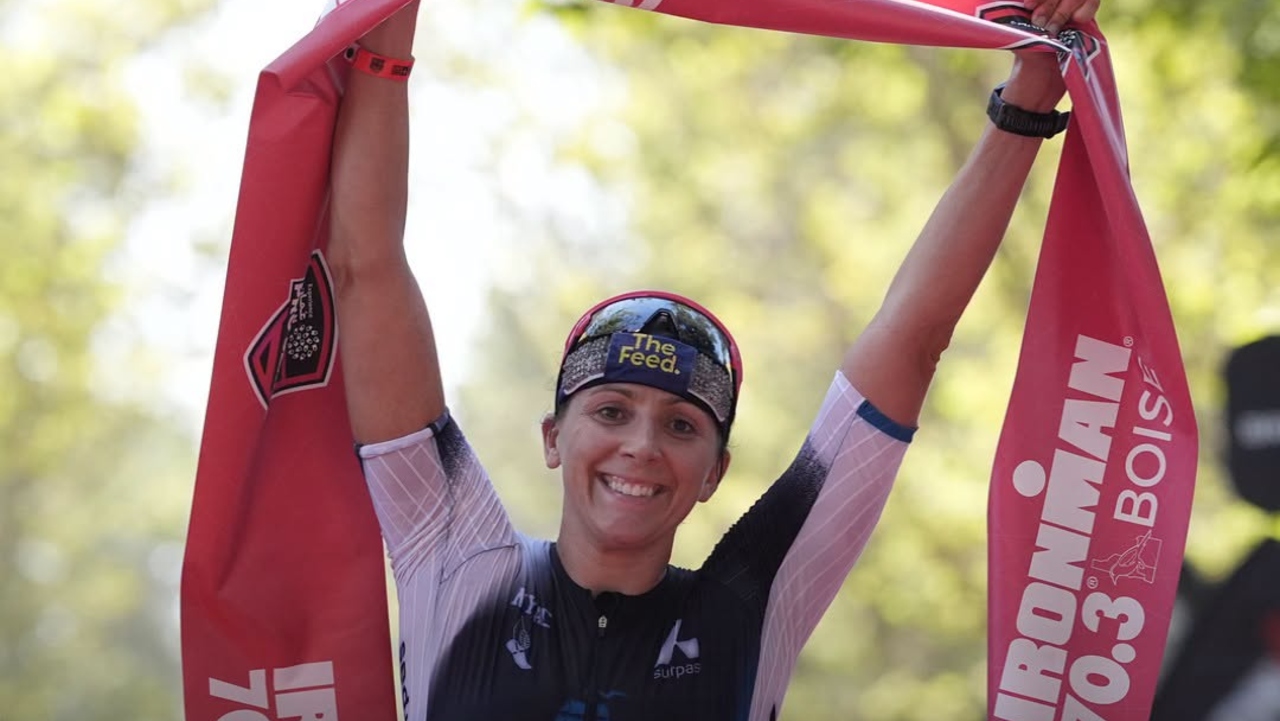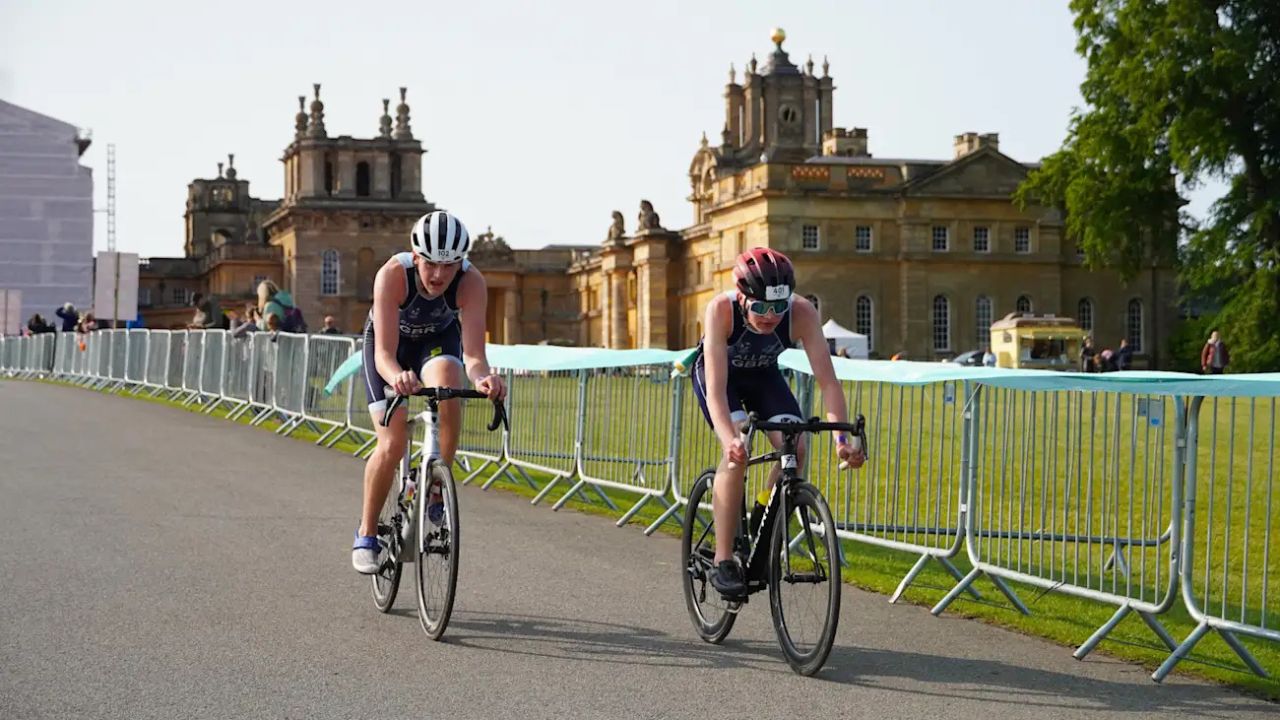

Training for your first 70.3 triathlon requires building endurance, consistency, pacing control, and recovery capacity across swimming, cycling, and running over several months. A 70.3 race includes:
- 1.9km swim
- 90km bike
- 21.1km run
The distance is long enough to demand serious preparation, but manageable for beginners with structured training and realistic progression.

The goal during a 20-week build is not training as hard as possible. The goal is arriving on race day:
- Healthy
- Aerobically prepared
- Well-paced
- Mentally confident
- Comfortable managing nutrition and recovery
Most successful first-time 70.3 athletes improve through:
- Consistent aerobic training
- Gradual volume increases
- Recovery structure
- Race-specific preparation
This becomes especially important when understanding triathlon training plans for beginners, where the demands of middle-distance racing require stronger pacing and fueling discipline than shorter triathlon formats.
Weeks 1 to 3: Build Your Foundation
The first three weeks should focus on establishing routine and consistency.
Training priorities include:
- Easy aerobic swimming
- Steady cycling
- Easy running
- Basic strength work
At this stage, avoid chasing speed or high training volume.
Typical weekly structure:
- 2 swims
- 2 bikes
- 2 to 3 runs
- 1 strength session
Focus on:
- Swim technique
- Bike handling
- Running comfortably
- Developing training habits
Athletes who improve through what are adaptations in a triathlon training plan often understand that fitness gains happen gradually and not through aggressive early training.
Weeks 4 to 6: Increase Aerobic Endurance
Once consistency is established, training volume can begin increasing gradually.
Key sessions now include:
- Longer aerobic rides
- Longer endurance runs
- Continuous swim sets
Focus on:
- Heart rate control
- Sustainable pacing
- Recovery between sessions
This phase helps develop the aerobic engine needed for a 70.3 race. Athletes building endurance through aerobic endurance workouts that every triathlete should know often make the smoothest progress because they prioritise sustainable training rather than constant intensity.
Weeks 7 to 9: Introduce Race-Specific Work
The body should now be adapting to regular training.
This phase introduces:
- Longer bike sessions
- Structured run workouts
- Open-water swimming where possible
Training should begin reflecting race demands.
Key goals include:
- Practising nutrition
- Managing pacing
- Improving endurance durability
Long rides may now reach:
- 2.5 to 3 hours
Long runs may build toward:
- 75 to 90 minutes
Athletes should also begin practising how much should you drink per hour on the bike because hydration mistakes become costly during longer events.
Weeks 10 to 12: Build Strength and Durability
This is often where training starts feeling more demanding.
The focus shifts toward:
- Longer brick workouts
- Sustained bike efforts
- Endurance swimming
- Fatigue management
Typical key sessions include:
- Long ride followed by short run
- Tempo bike efforts
- Longer aerobic swims
This phase teaches the body to maintain performance while tired. Athletes improving through what causes jelly legs after bike to run transition in a triathlon often understand why brick sessions become increasingly important at this stage.
Weeks 13 to 15: Peak Endurance Development
This is usually the most important training block.
Training should now closely resemble race demands.
Key workouts include:
- Long rides of 3.5 to 4.5 hours
- Long runs approaching 1 hour 45 minutes
- Race-specific brick sessions
- Open-water swimming
The focus should remain aerobic. Avoid turning every session into a race effort. Athletes who understand how to pace a triathlon properly often gain a major advantage during this phase because pacing discipline becomes a key performance factor.
Weeks 16 to 17: Race Simulation Phase
These weeks are designed to build confidence.
Workouts should include:
- Race-day nutrition practice
- Full race kit testing
- Open-water swims
- Long brick sessions
Examples include:
- 3-hour ride followed by 45-minute run
- Open-water swim followed by bike session
Everything should be tested:
- Nutrition
- Hydration
- Clothing
- Equipment

Athletes who follow triathlon gear mistakes beginners should avoid often prevent race-day problems by addressing equipment issues during this phase rather than during competition.
Week 18: Final Big Training Week
This is often the last major training week before tapering begins.
Focus on:
- One final long ride
- One final long run
- Race-specific brick workout
Avoid:
- Chasing fitness
- Adding extra volume
- Making major changes
The work is largely done. The objective now is maintaining fitness rather than building new fitness. Athletes who understand how can mental strategies improve triathlon performance often perform better here because confidence becomes increasingly important before race day.
Week 19: Begin the Taper
Training volume should decrease significantly.
The goals are:
- Recovery
- Freshness
- Confidence
Reduce volume by approximately:
- 30 to 40%
Keep some short efforts to maintain:
- Sharpness
- Coordination
- Confidence
Most sessions should feel:
- Easy
- Controlled
- Comfortable
Athletes often worry about losing fitness during taper week, but this is where adaptation finally occurs.
Week 20: Race Week
Race week should focus on:
- Recovery
- Preparation
- Mental readiness
Training should be very light.
Include:
- Short swim
- Easy bike
- Short run
Nothing should create fatigue.
Focus on:
- Sleep
- Hydration
- Nutrition
- Equipment checks
Athletes who have prepared properly should arrive feeling:
- Rested
- Excited
- Confident
- Ready to race
This is where all the work from the previous 19 weeks comes together.
Nutrition Throughout the 20 Weeks
Fueling should never be left until race week.
Every long session should be an opportunity to practise:
- Carbohydrate intake
- Fluid consumption
- Electrolyte strategy
Athletes improving through how to fuel properly during a triathlon often avoid many of the problems that first-time 70.3 athletes experience.
Recovery Throughout the 20 Weeks
Recovery should remain a priority from the beginning.
Key recovery habits include:
- Sleep
- Nutrition
- Hydration
- Recovery weeks
- Mobility work
Athletes who ignore recovery frequently struggle with:
- Injury
- Illness
- Burnout
- Training inconsistency
Understanding tapering before a triathlon helps athletes stay healthy throughout the build.
Common Beginner 70.3 Mistakes
Many athletes create avoidable problems during preparation.
Common mistakes include:
- Training too hard too often
- Ignoring recovery
- Skipping fueling practice
- Increasing run volume aggressively
- Avoiding open-water swimming
- Buying unnecessary equipment
- Poor pacing discipline
Most successful 70.3 finishes come from consistency rather than extreme training.
Race-Day Success Comes From Consistency
The best first 70.3 performances rarely come from heroic training sessions.
They come from:
- Consistent weekly training
- Gradual progression
- Smart recovery
- Effective fueling
- Proper pacing
A successful 20-week plan should leave athletes feeling prepared rather than exhausted.
Practical Structure for a First 70.3
A beginner 20-week plan should gradually include:
- Aerobic endurance sessions
- Long rides
- Long runs
- Brick workouts
- Open-water practice
- Recovery weeks
- Strength training
- Nutrition rehearsal
The best preparation plans are sustainable enough to repeat consistently while allowing recovery and progression over time.