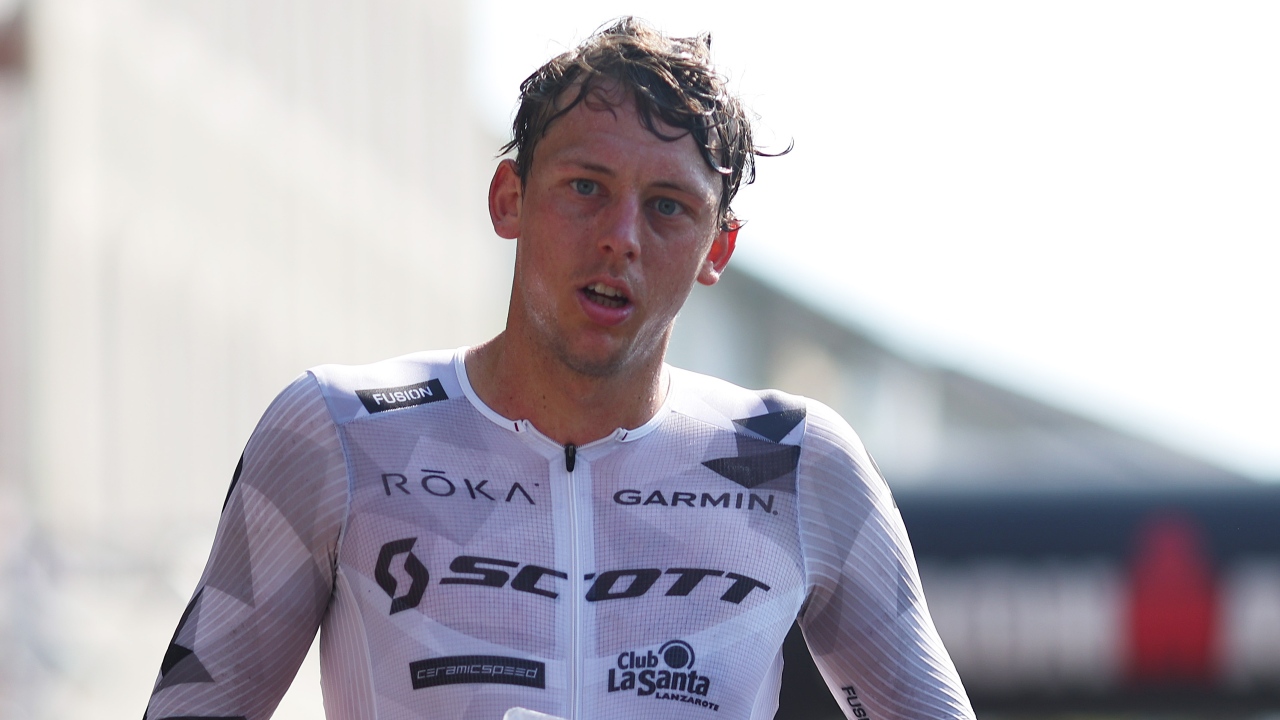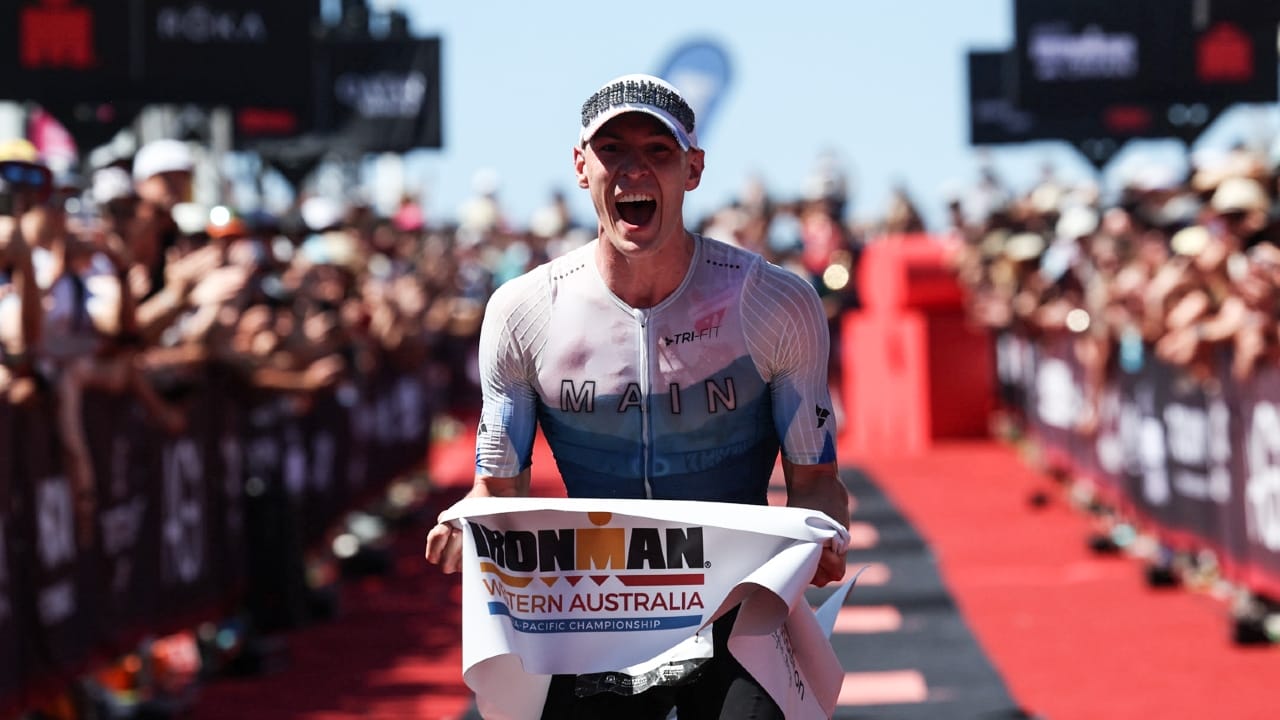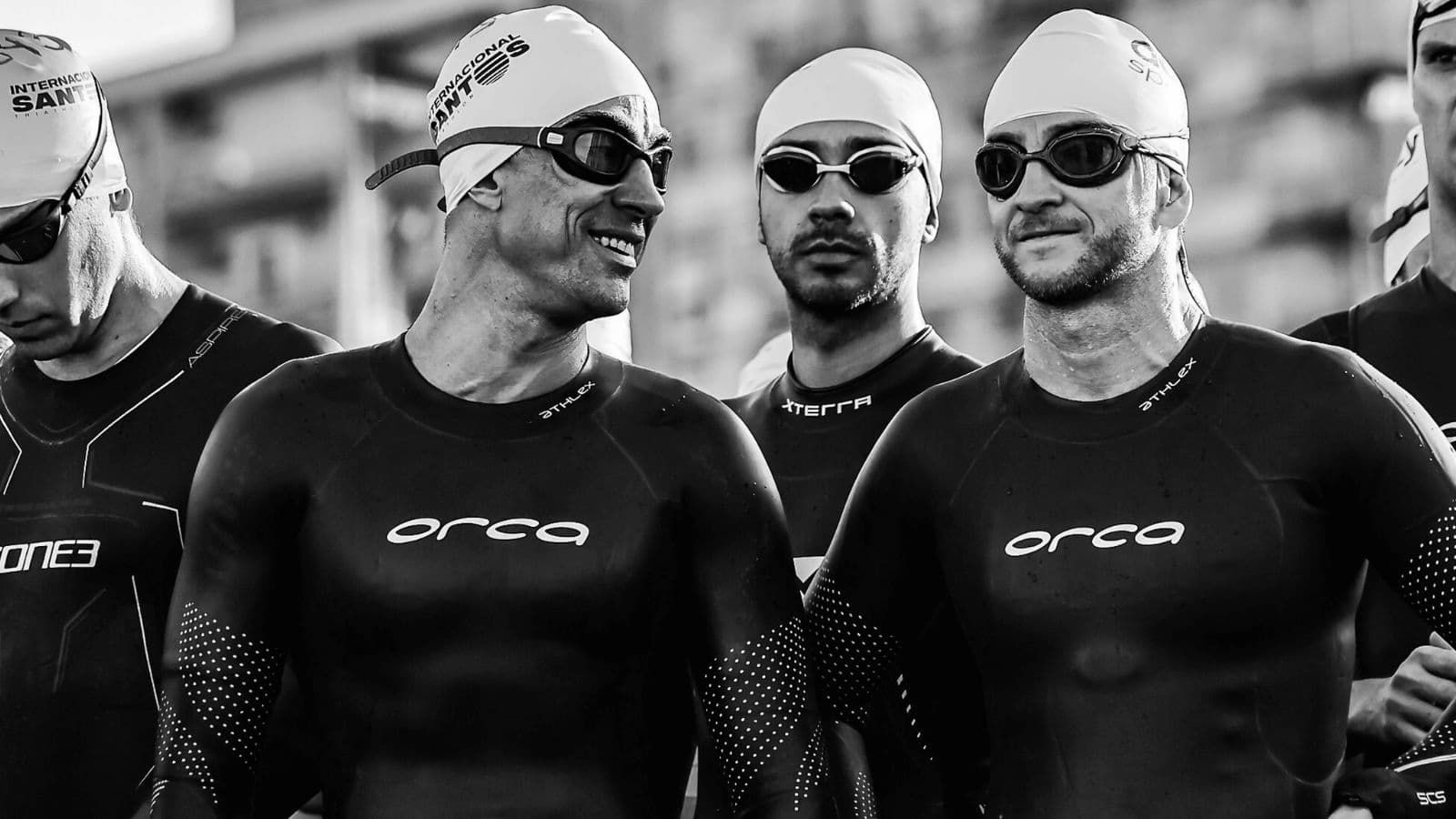


Yes, triathletes can benefit from occasionally training without fitness gadgets because it encourages them to recognize effort, control pacing, and respond to physical sensations without constantly checking numbers. GPS watches, heart rate monitors, and cycling power meters are valuable tools, but they are not essential for every training session. Modern triathlon training often involves monitoring pace, heart rate, distance, power, cadence, and recovery metrics. These measurements help athletes structure workouts and evaluate progress, particularly when preparing for demanding endurance events. However, constantly monitoring performance data can sometimes distract athletes from their surroundings and physical sensations. Some may become overly concerned when their pace, heart rate, or power differs from expectations, even when the workout is progressing appropriately.
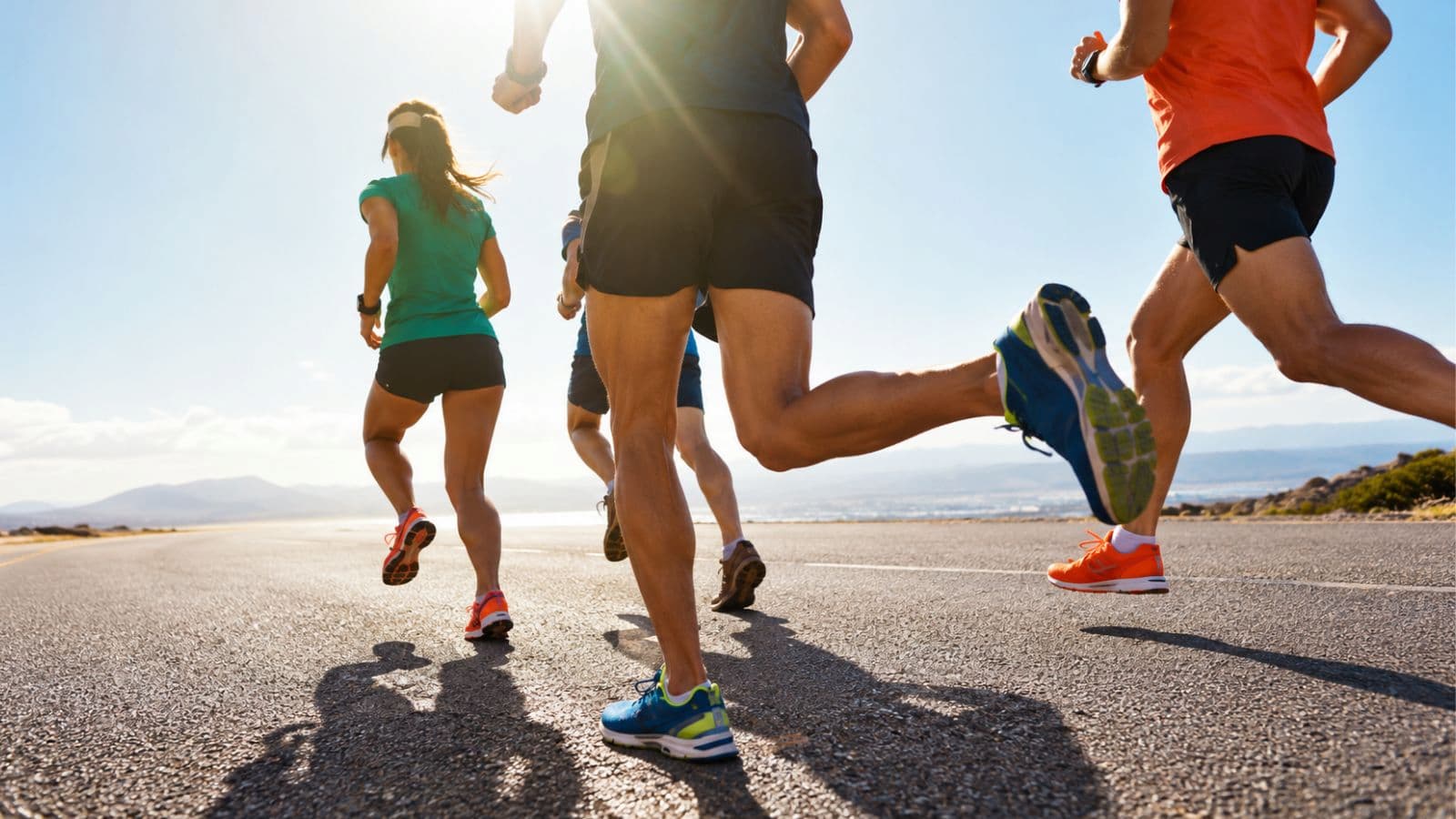
Learning to balance technology with perceived effort can create a more flexible training approach. By occasionally reducing dependence on gadgets, triathletes can develop confidence, improve pacing judgment, and enjoy training without feeling controlled by numbers.
In Short
- Fitness gadgets provide useful training information.
- Constant monitoring is not necessary for every session.
- Training by feel improves awareness of effort.
- Easy workouts are suitable for practicing without data.
- Natural pacing skills support race performance.
- Reducing screen checking may improve concentration.
- Structured workouts can still benefit from technology.
- A balanced approach is more practical than avoiding gadgets entirely.
Understanding Fitness Gadget Dependence
Fitness gadgets help triathletes monitor different aspects of training.
Common devices include:
- GPS running watches.
- Cycling power meters.
- Heart rate monitors.
- Smart trainers.
- Cadence sensors.
- Recovery tracking devices.
These tools can improve training consistency, but problems may arise when athletes rely on measurements for every decision. Understanding are triathletes relying too much on training data can help athletes recognize when technology becomes a distraction rather than a useful training aid. Data should support training decisions without completely replacing personal judgment.
Developing Better Body Awareness
Training without constantly checking a device encourages athletes to recognize how different exercise intensities feel.
Important physical signals include:
- Breathing rhythm.
- Muscle fatigue.
- Perceived effort.
- Movement coordination.
- Overall energy levels.
These sensations help athletes understand their current condition. For example, an easy run should generally feel comfortable enough to maintain a conversation. Understanding why are slower training sessions important for triathletes can help athletes appreciate the importance of comfortable efforts without constantly chasing faster numbers. Learning these sensations makes it easier to adjust training when conditions change.
Improving Natural Pacing Skills
Pacing is essential in triathlon because athletes must distribute energy across swimming, cycling, and running. Constantly checking speed or power may prevent some athletes from developing confidence in their natural pacing judgment. Training by feel encourages athletes to recognize sustainable effort. Understanding how should you pace the bike to run better in a triathlon can help athletes appreciate why controlling cycling intensity matters for subsequent running performance. A useful exercise involves estimating your pace before checking the actual result after a workout. Over time, this can improve awareness of different intensity levels.
Reducing Mental Pressure During Training
Fitness gadgets can create unnecessary pressure when athletes focus excessively on performance numbers. A slower pace or elevated heart rate may cause frustration, even when fatigue, temperature, or terrain explains the difference. Understanding what are the benefits of running without GPS data can help triathletes recognize how occasional technology free sessions may improve enjoyment.
Potential benefits include:
- Less concern about pace fluctuations.
- Greater attention to surroundings.
- Reduced comparison with previous workouts.
- More flexibility during easy sessions.
- Improved enjoyment of exercise.
However, removing gadgets will not automatically resolve performance anxiety.
Easy Runs Without Constant Data
Easy running sessions are particularly suitable for practicing perceived effort. Athletes can focus on comfortable breathing and relaxed movement rather than maintaining a precise pace.
Example workout
- Warm up with 5 minutes of comfortable jogging.
- Run easily for 20 – 40 minutes.
- Maintain a conversational effort.
- Finish with 5 minutes of relaxed movement.
Understanding can easy running improve triathlon race performance can help athletes recognize that comfortable running contributes to endurance development. A watch may still record the session without displaying pace during the workout.
Cycling by Perceived Effort
Cyclists frequently rely on power meters to control intensity. However, occasional comfortable rides without checking power can help athletes recognize how different effort levels feel.
During an easy ride:
- Maintain comfortable breathing.
- Select gears naturally.
- Focus on smooth pedaling.
- Observe changes in terrain.
- Avoid chasing speed.
Understanding how can you maintain steady power during a triathlon bike leg can help athletes combine internal effort awareness with objective performance measurements. For safety, maintain attention to traffic, road conditions, and other riders.
Swimming Without Constant Pace Monitoring
Swimming provides another opportunity to develop awareness of movement and effort.
Rather than checking every split, athletes can focus on:
- Controlled breathing.
- Stroke rhythm.
- Body alignment.
- Smooth rotation.
- Consistent effort.
Understanding how do you know if your swimming is improving can help athletes evaluate progress through technique, confidence, and endurance alongside recorded times. Pool clocks and structured intervals remain useful, but not every session needs continuous performance analysis.
Choosing Sessions for Gadget Free Training
Not all workouts are equally suitable for training without performance feedback.
| Workout type | Gadget free suitability |
|---|---|
| Easy running | High |
| Comfortable cycling | High |
| Recovery swimming | High |
| Technique practice | High |
| Tempo intervals | Moderate |
| Power based cycling intervals | Lower |
| Race simulation | Depends on objective |
The best approach depends on the purpose of each session. Understanding what small training changes can improve triathlon performance can help athletes recognize how adjusting training habits may support long term development.
Situations Where Fitness Gadgets Remain Useful
Fitness gadgets are particularly valuable when workouts require specific measurements.
Examples include:
- Structured power intervals.
- Heart rate controlled training.
- Precise pacing sessions.
- Monitoring workout duration.
- Tracking training progression.
- Following prescribed rehabilitation limits.
Athletes with medical or rehabilitation requirements should continue using any monitoring recommended by their healthcare professional. Technology and perceived effort work best when they complement each other.
Building Confidence Without Numbers
Triathletes sometimes become concerned about losing fitness when a workout produces slower numbers than expected. However, performance varies naturally with fatigue, weather, sleep, and recovery. Understanding what mindset helps triathletes perform at their best can help athletes develop a healthier relationship with training outcomes. Occasionally completing a session without checking data can encourage greater confidence in personal effort judgment. The goal is not to ignore useful information but to avoid depending on it unnecessarily.
Balancing Technology and Training Experience
A balanced approach combines objective measurements with subjective feedback.
For example:
- Use power data for structured cycling intervals.
- Run by feel during comfortable recovery sessions.
- Monitor swimming pace during selected workouts.
- Review training trends after sessions.
- Adjust intensity when fatigue becomes excessive.
Understanding how should triathletes balance easy and hard training can help athletes maintain an appropriate training structure while using technology selectively. Fitness gadgets should make training more effective, not more complicated.
Common Mistakes
- Checking performance numbers constantly.
- Ignoring physical sensations.
- Treating every workout as a performance test.
- Comparing unrelated training sessions.
- Removing gadgets from workouts requiring precise targets.
- Confusing perceived effort with maximum effort.
- Ignoring signs of excessive fatigue.
- Becoming anxious about missing training data.
Practical Tips
- Start with one easy session without checking data.
- Focus on breathing and perceived effort.
- Record workouts without displaying live metrics.
- Compare estimated effort with actual results afterward.
- Use gadgets for structured sessions.
- Avoid unnecessary performance comparisons.
- Pay attention to fatigue and recovery.
- Keep training enjoyable and consistent.
Actionable Takeaways
- Practice occasional training by feel.
- Develop natural pacing awareness.
- Use technology when it adds value.
- Avoid constant performance monitoring.
- Balance data with physical feedback.