

By the time you reach T2, you’ve already completed the swim and bike, meaning your body has been exercising for anywhere from one hour to several hours. The run is where glycogen stores are lower, dehydration begins to affect performance and pacing mistakes become more noticeable. What you eat before running in a triathlon isn’t simply what you consume in transition. It’s the nutrition strategy you’ve followed throughout the bike leg, combined with any final carbohydrates you take immediately before leaving T2. The aim is to begin the run with stable energy levels, adequate hydration and a stomach that feels comfortable.
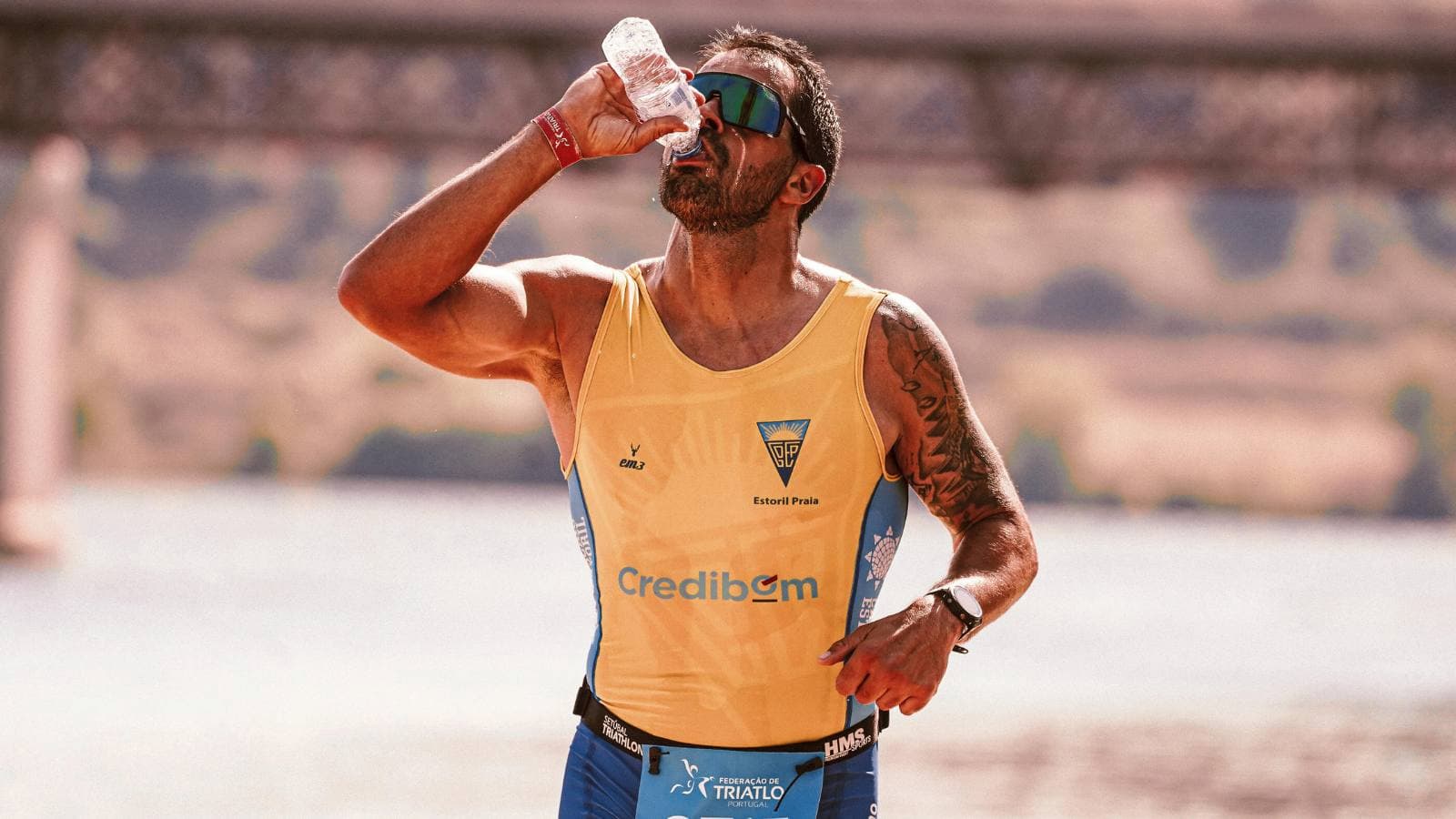
The Bike Leg Fuels the Run
The biggest mistake many triathletes make is assuming they’ll “fuel on the run.” In reality, the bike leg is where most of your carbohydrate intake should occur because eating is easier and digestion is generally more comfortable while cycling. If you under-fuel on the bike, no amount of nutrition in T2 will fully restore depleted glycogen stores before the run. Many athletes improve this strategy by following how should triathletes fuel during the bike leg, ensuring they arrive at T2 ready to run rather than already fatigued.
Should You Eat Anything in T2?
For most triathletes, T2 is not the place for a large snack. Transition should remain efficient.
Depending on race distance, common options include:
- One energy gel.
- Two to three energy chews.
- A few mouthfuls of carbohydrate sports drink.
- Half a banana if you’ve practised it.
Choose foods you’ve successfully used during training.
Avoid experimenting on race day.
Best strategy before running
The best options digest quickly while providing rapidly available carbohydrates.
Suitable choices include:
- Energy gels.
- Energy chews.
- Sports drink.
- Banana.
- Soft carbohydrate bars.
- Fruit puree pouches.
These foods provide energy without sitting heavily in the stomach. Many triathletes practice using these products during recovering after an ironman triathlon, reducing the chance of gastrointestinal issues on race day.
Carbohydrate Intake
Your carbohydrate needs depend on race duration rather than simply the run itself.
General recommendations are:
Sprint Triathlon
- Usually no additional carbohydrates are needed before the run if breakfast and bike nutrition were adequate.
Olympic Distance
- Around 20–30 g of carbohydrates shortly before leaving T2 may benefit many athletes.
Half Ironman (70.3)
- Around 20–30 g before beginning the run, followed by regular carbohydrate intake throughout the run.
Ironman
- Around 20–30 g before leaving T2, then continue consuming carbohydrates consistently during the marathon according to your race nutrition plan.
These recommendations should always be practised during training.
Should You Take a Gel Before Running?
For Olympic-distance racing and longer, many experienced triathletes take a gel immediately before leaving T2.
Benefits include:
- Readily available carbohydrates.
- Easy to carry.
- Quick to consume.
- Consistent carbohydrate content.
If you choose this strategy:
- Drink water with the gel whenever possible.
- Avoid taking multiple gels together.
- Never try a new brand on race day.
Many athletes refine this strategy while learning what should triathletes eat after hard training, helping them understand how different carbohydrate sources affect their digestion and recovery.
Is Caffeine Helpful Before the Run?
Caffeine may improve alertness and reduce perceived effort for some athletes.
Many triathletes save a caffeinated gel until:
- The final part of the bike.
- T2.
- Early in the run.
This timing may provide benefits during the closing stages of the race.
However:
- Practise caffeine use during training.
- Avoid excessive doses.
- Consider your own tolerance.
Not every athlete responds the same way.
Hydration Before Leaving T2
Dehydration often becomes more noticeable during the run than the bike.
Before starting the run:
- Drink if you’re thirsty.
- Replace fluids lost during the bike.
- Continue following your hydration strategy.
- Avoid drinking excessive amounts all at once.
Many athletes prepare for changing conditions through hydration strategy for triathlon by distance and weather, adjusting fluid intake according to temperature and race duration.
Foods to Avoid Before Running
Certain foods increase the likelihood of stomach discomfort.
Avoid immediately before the run:
- High-fat foods.
- High-fibre snacks.
- Dairy if it causes problems.
- Large solid meals.
- Spicy foods.
- Unfamiliar sports nutrition.
The closer you are to running, the simpler your nutrition should become.
Practise Your Nutrition During Brick Sessions
Race nutrition should never be tested for the first time during competition.
Instead, include nutrition practice during:
- Bike-to-run brick workouts.
- Long race simulations.
- Race-pace training.
- Open water training days followed by cycling and running.
Many triathletes incorporate these sessions while following how to train for a sprint triathlon, allowing nutrition, pacing and transitions to be rehearsed together.
Adjust Nutrition for Different Race Distances
Your fuelling strategy should reflect how long you’ll be racing. Sprint racing relies largely on stored glycogen. Olympic-distance racing benefits from planned carbohydrate intake before the run. Half Ironman and Ironman racing require carefully planned nutrition throughout every discipline. Understanding ironman vs 70.3 vs olympic triathlon makes it easier to develop a nutrition strategy that matches your race rather than using the same approach for every event.
Common Mistakes Before the Run
Avoid these common errors:
- Under-fuelling on the bike.
- Taking too many gels in T2.
- Trying unfamiliar products.
- Drinking excessive water at once.
- Ignoring sodium during long races.
- Waiting until you feel hungry.
- Forgetting to practise race nutrition.
- Eating solid foods too close to the run.
Small mistakes early in the race often become major problems during the final kilometres.
Practical Tips
Before beginning the run:
- Finish most of your fuelling on the bike.
- Choose easily digested carbohydrates.
- Take a gel only if you’ve practised it.
- Drink water with concentrated carbohydrate products.
- Adjust intake according to race distance.
- Test every nutrition strategy in training.
- Keep T2 simple and efficient.
Many athletes also improve their finishing performance through how to pace a triathlon properly, because effective pacing reduces carbohydrate depletion and helps maintain energy until the finish line. Before race day, reviewing what to eat during long runs can also help ensure your nutrition, hydration and recovery plan are already in place rather than being decided at the last minute. Finally, athletes preparing for long-course racing often benefit from carb loading, where carbohydrate timing and fluid intake become increasingly important after the first few kilometres.
The Bottom Line
The best nutrition before running in a triathlon is planned long before you enter T2. A well-fuelled bike leg, appropriate carbohydrate intake immediately before the run and sensible hydration give you the best chance of maintaining pace all the way to the finish. Rather than relying on one gel in transition to save your race, build a nutrition strategy that supports every discipline. When your bike fuelling, hydration and pre-run nutrition work together, you’ll start the run with the energy needed to finish strongly.