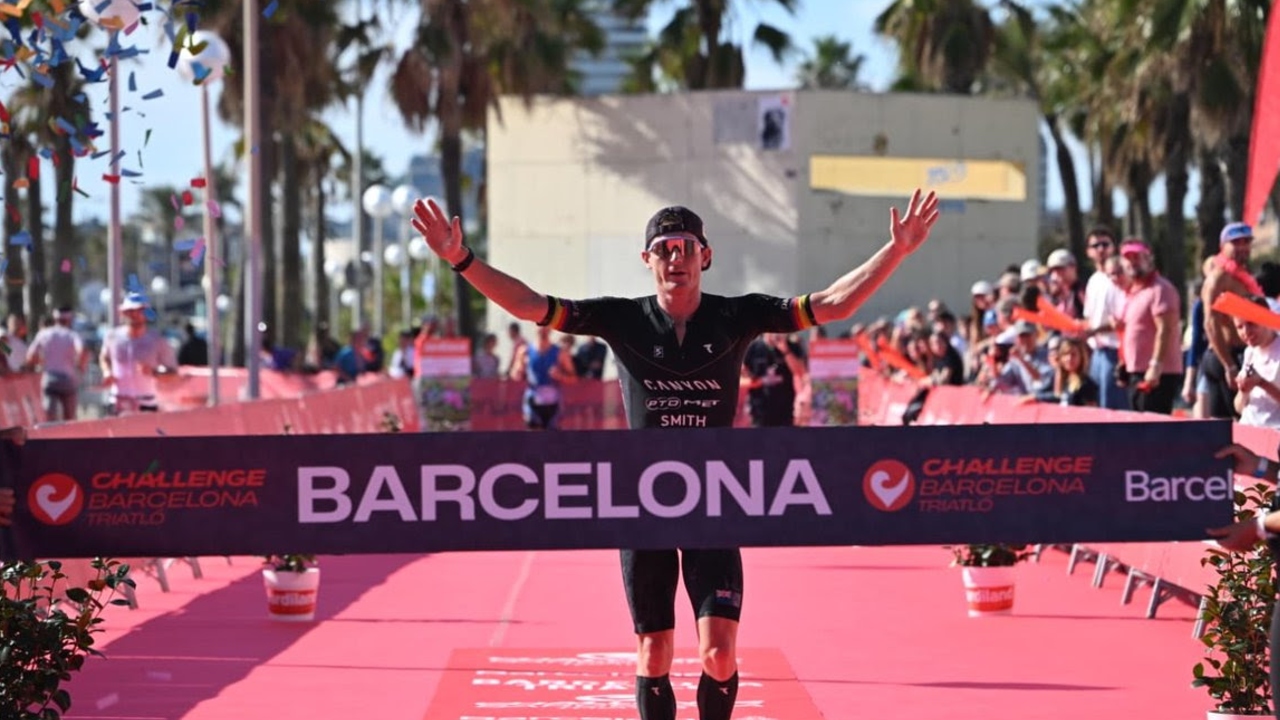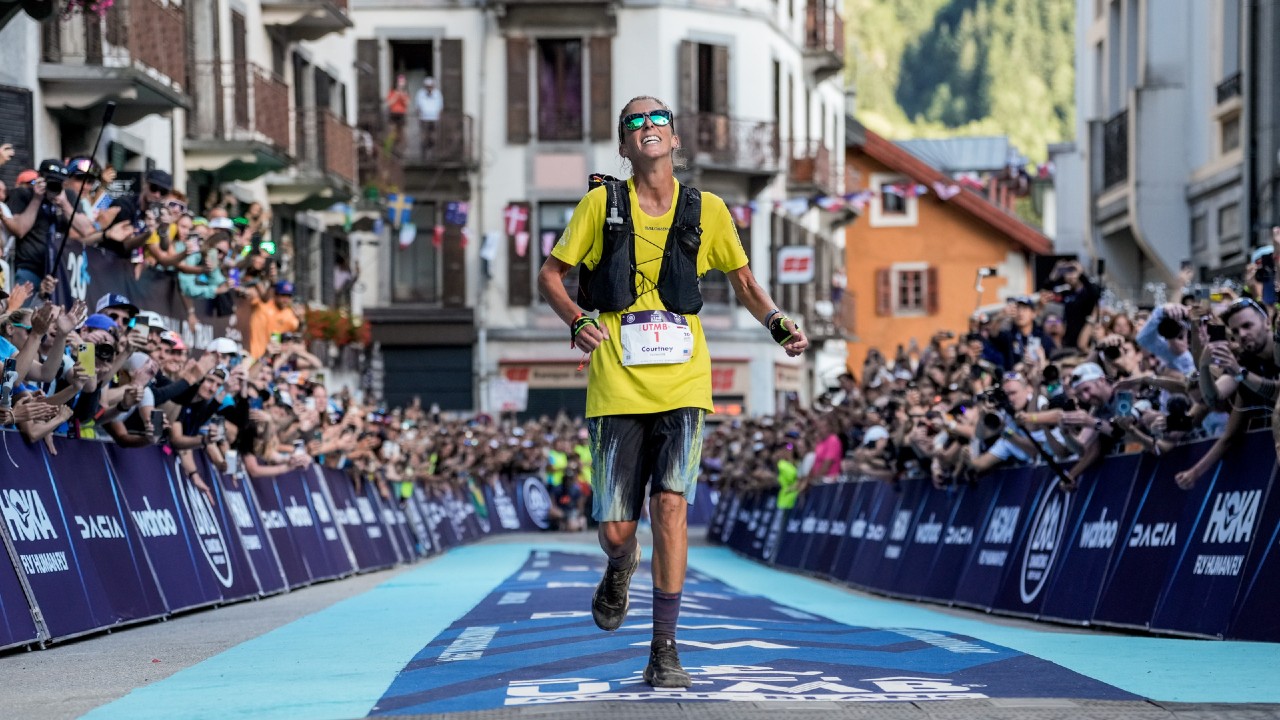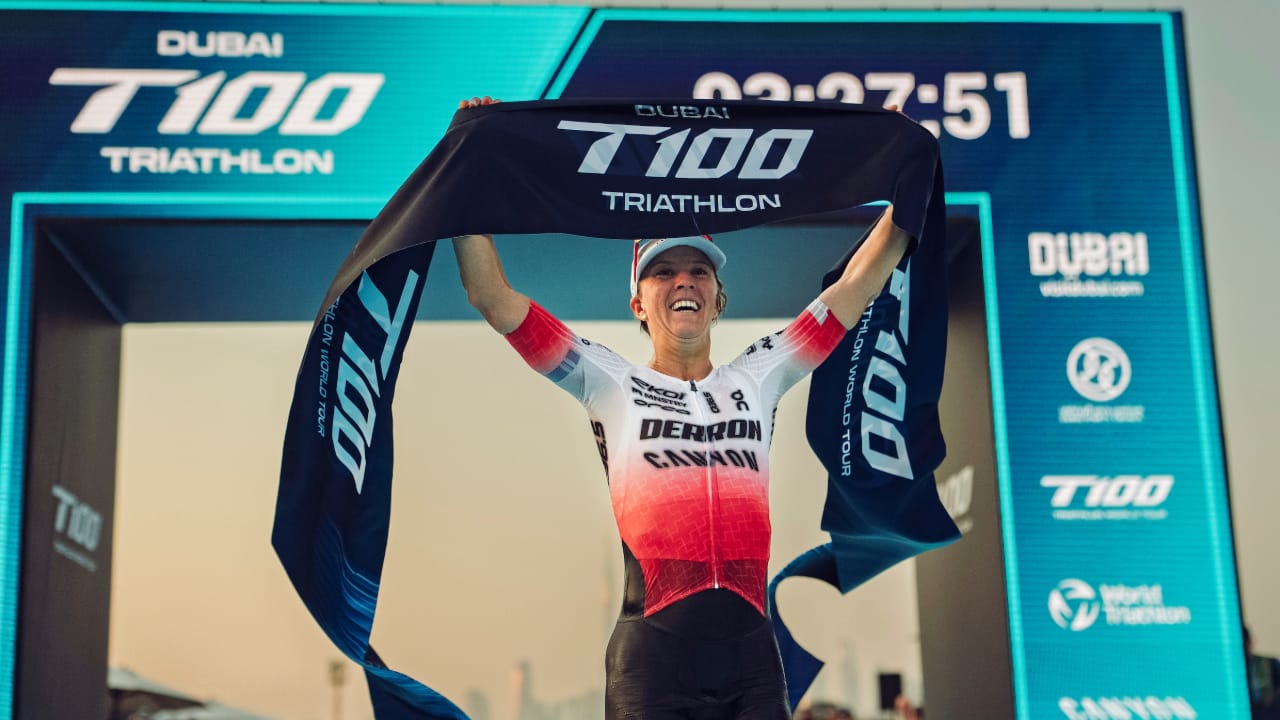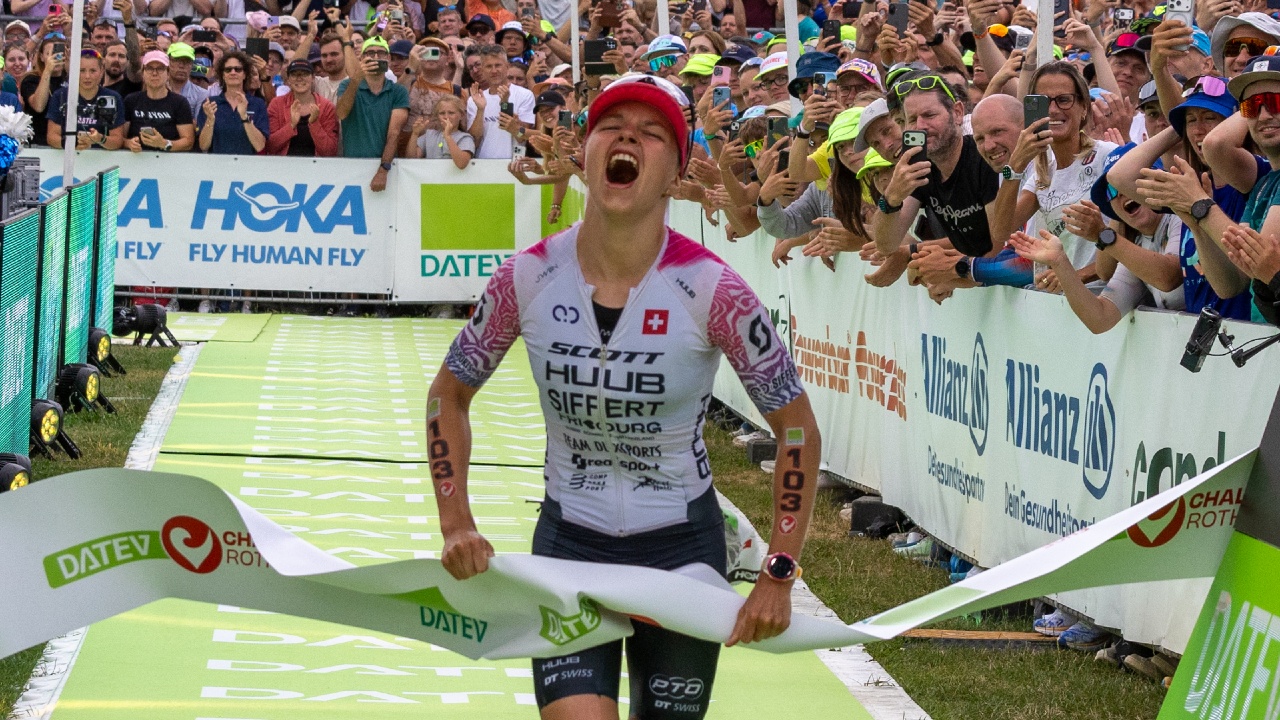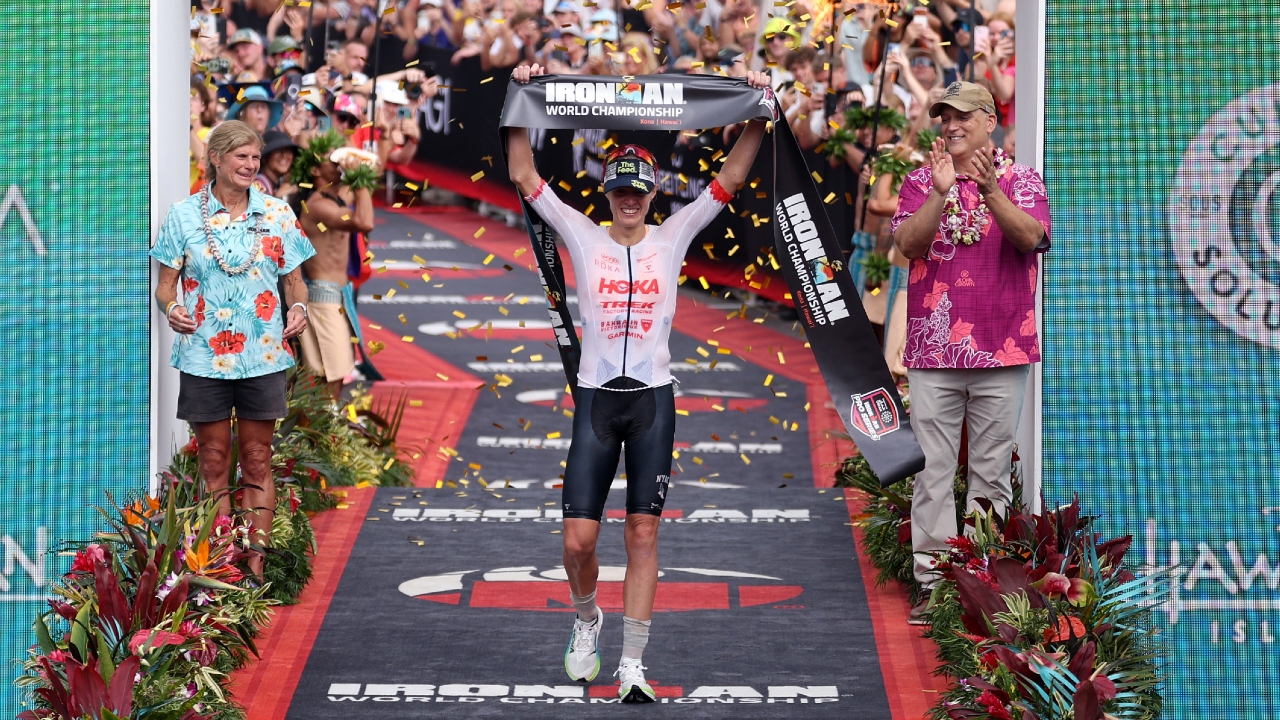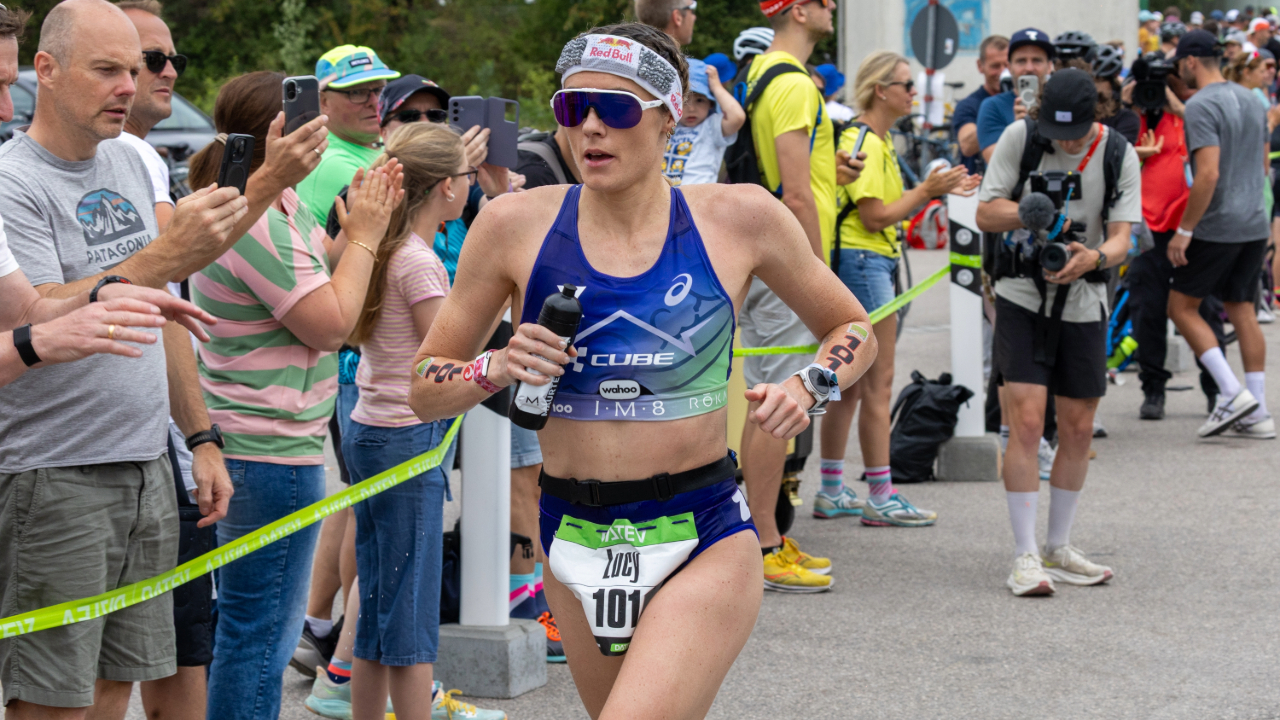


A Half Ironman, also known as a 70.3, consists of a 1.9km swim, 90km bike ride and 21.1km run completed consecutively. While it’s shorter than a full Ironman, it’s still a demanding endurance event that rewards preparation far more than speed. For beginners, success isn’t measured by finishing near the front of the field. It’s about pacing intelligently, fueling consistently and making good decisions from the moment the race begins until you cross the finish line. The athletes who enjoy their first Half Ironman are usually the ones who arrive with a realistic plan rather than unrealistic expectations.

Understand the Demands of the Distance
A Half Ironman isn’t simply a longer Olympic-distance triathlon.
The event requires:
- Greater aerobic endurance.
- Consistent pacing.
- Well-practised nutrition.
- Mental resilience.
- Efficient transitions.
- Good recovery habits.
Knowing what the race demands helps you prepare appropriately instead of relying purely on fitness. Many athletes begin by understanding ironman vs 70.3 vs olympic triathlon, allowing them to appreciate how pacing and nutrition change as race distances increase.
Don’t Chase Other Athletes
Race-day adrenaline can tempt you to swim, ride or run faster than planned.
Instead:
- Follow your pacing strategy.
- Ignore faster competitors.
- Stay patient early.
- Trust your training.
Many beginners lose more time by starting too hard than by starting too conservatively. Building your race around how to pace a triathlon properly helps you maintain energy across all three disciplines.
Practise Your Race Nutrition
Nutrition is one of the biggest differences between shorter races and a Half Ironman.
Before race day, practise:
- Carbohydrate intake.
- Fluid intake.
- Electrolyte replacement.
- Energy gels.
- Sports drinks.
Every product you intend to use should already have been tested during training. Many athletes refine this strategy through how should triathletes fuel during the bike leg, where most of your race nutrition should take place.
Respect the Bike Leg
The bike isn’t simply something to finish before the run. It’s where you’ll spend the greatest amount of time and where many races are won or lost.
Ride at an effort that allows you to:
- Eat comfortably.
- Drink consistently.
- Control your breathing.
- Arrive at T2 feeling strong.
The bike should prepare you for the run, not exhaust you before it begins.
Don’t Neglect Open Water Practice
Many beginners train primarily in the pool.
Before race day, practise:
- Swimming in open water.
- Sighting.
- Swimming around other athletes.
- Entering and exiting the water.
- Wearing your wetsuit.
These skills reduce anxiety on race morning. Many first-time competitors improve confidence through how to train for open water swimming in 8 weeks, where race-specific swimming skills are developed gradually.
Learn to Fuel Before the Run
Many athletes begin the run already under-fuelled. By this point you’ve already spent hours exercising.
Before leaving T2:
- Follow your nutrition plan.
- Continue drinking appropriately.
- Take carbohydrates if planned.
- Avoid trying anything new.
Many athletes improve this stage through what to eat before running in a triathlon, ensuring the final discipline begins with adequate energy.
Practise Brick Sessions
Running after cycling feels different.
Include regular brick sessions where you:
- Ride first.
- Transition efficiently.
- Run immediately afterwards.
- Practise race nutrition.
These sessions prepare both your legs and your mind for race day.
Keep Transitions Simple
Transitions shouldn’t become complicated. Only bring equipment you actually need. Organize your transition area so every item has a clear place. Many beginners save valuable time by practicing how to transition faster in a triathlon, reducing stress without needing additional fitness.
Prepare Your Equipment Early
Several days before the race, check:
- Bike.
- Tyres.
- Brakes.
- Helmet.
- Running shoes.
- Wetsuit.
- Nutrition.
- Race number.
Avoid making major equipment changes during race week. Familiar equipment builds confidence.
Expect Difficult Moments
Almost every Half Ironman includes periods where you feel tired or uncomfortable.
Instead of panicking:
- Slow slightly if necessary.
- Continue fuelling.
- Focus on your breathing.
- Break the race into smaller sections.
Temporary fatigue doesn’t necessarily mean your race is falling apart.
Respect Recovery During Race Week
The final week is about arriving fresh.
Avoid trying to gain fitness.
Instead:
- Reduce training volume.
- Sleep well.
- Stay hydrated.
- Maintain normal nutrition.
Many beginners prepare effectively through things you need to know before your first triathlon, where race-week planning becomes part of the overall strategy.
Trust Your Training
By race day, your preparation is complete. Don’t second-guess yourself.
Trust:
- Your pacing.
- Your nutrition.
- Your equipment.
- Your training plan.
Confidence comes from preparation rather than perfection.
Common Mistakes
Avoid these common beginner errors:
- Starting too fast.
- Under-fuelling on the bike.
- Ignoring hydration.
- Buying new equipment.
- Skipping brick workouts.
- Forgetting transition practice.
- Chasing faster athletes.
- Neglecting recovery during race week.
Most first Half Ironman problems begin with poor decision-making rather than poor fitness.
Practical Tips
Before your first Half Ironman:
- Practise open water swimming.
- Ride and run together regularly.
- Rehearse your nutrition.
- Check your equipment early.
- Pace conservatively.
- Stay patient.
- Trust your preparation.
Many athletes also improve confidence by understanding running drills that every triathlete should do, helping them begin the race calmly instead of wasting energy through anxiety. Finally, building a strong aerobic foundation with what is zone 2 cycling in a triathlon prepares you for the long, steady effort required throughout a 70.3.
The Bottom Line
Your first Half Ironman isn’t about racing perfectly, it’s about racing intelligently. Smart pacing, consistent nutrition, simple transitions and realistic expectations will contribute far more to a successful day than trying to push beyond your current fitness. Prepare thoroughly, trust your training and remember that every experienced long-course triathlete once stood on the start line of their first 70.3. With a solid plan and patient execution, you’ll give yourself the best chance of crossing the finish line smiling.