

Hypothermia happens when the body loses heat faster than it can produce it, causing core temperature to drop dangerously low. For triathletes, this risk increases during cold-water swims, wet weather racing, long descents on the bike, strong wind exposure, and poorly managed nutrition or pacing.
Many athletes assume hypothermia only happens in extreme winter conditions, but triathletes can develop mild or moderate hypothermia even during relatively moderate temperatures when combined with rain, wind, fatigue, and prolonged exposure.
Recognising the warning signs early is critical because hypothermia affects:
- Coordination
- Decision-making
- Muscle function
- Heart rate control
- Overall safety
The longer symptoms are ignored, the harder it becomes for athletes to respond appropriately during a race or training session. This becomes especially important during endurance events explained in training for a winter triathlon where athletes remain exposed to environmental conditions for many hours continuously.
Why Triathletes Are at Risk of Hypothermia?
Triathlon combines three disciplines that expose athletes to changing environmental stress.
Several factors increase hypothermia risk:
- Cold water swimming
- Wet clothing
- Wind chill during cycling
- Long race duration
- Dehydration
- Inadequate calorie intake
- Fatigue accumulation
Cycling often creates the highest risk because wet skin and high speed dramatically increase heat loss through wind exposure.
Even mild cold conditions can become dangerous when athletes are exhausted and underfuelled.
Early Signs of Hypothermia
Mild hypothermia often begins gradually.
Early warning signs include:
- Persistent shivering
- Numb hands or feet
- Difficulty gripping objects
- Slowed thinking
- Reduced coordination
- Feeling unusually cold despite effort
- Stiff muscles
Athletes sometimes dismiss these symptoms as normal race discomfort, which delays intervention. Shivering is one of the body’s first defence mechanisms to generate heat, but persistent uncontrolled shivering usually signals that heat loss is exceeding heat production.
Mental Confusion Is a Serious Warning Sign
As hypothermia progresses, mental function declines.
Triathletes may experience:
- Poor decision-making
- Reduced concentration
- Slowed reactions
- Confusion about pacing or navigation
- Irritability
- Unusual emotional responses
Mental symptoms are particularly dangerous during triathlon because athletes may continue racing despite deteriorating condition.
This is why race awareness and pacing discipline discussed in improving every swim stroke effortlessly also influence safety during difficult weather conditions.
Coordination Problems Affect Performance Quickly
Hypothermia impairs neuromuscular control.
Athletes may notice:
- Clumsy transitions
- Poor bike handling
- Loss of running rhythm
- Difficulty using nutrition
- Reduced balance
Fine motor skills usually deteriorate early because the body prioritises protecting core temperature over extremities.
This becomes especially risky during:
- Technical descents
- Wet roads
- Open-water swims
- Crowded transitions
Shivering Does Not Always Continue
Many athletes believe shivering always remains present during hypothermia.
In reality, severe hypothermia may reduce or stop shivering completely because the body no longer has enough energy to maintain heat production effectively.
A sudden stop in shivering combined with:
- Lethargy
- Confusion
- Slurred speech
- Extreme fatigue
is a serious medical warning sign requiring immediate attention.
Cold Water Increases Risk Rapidly
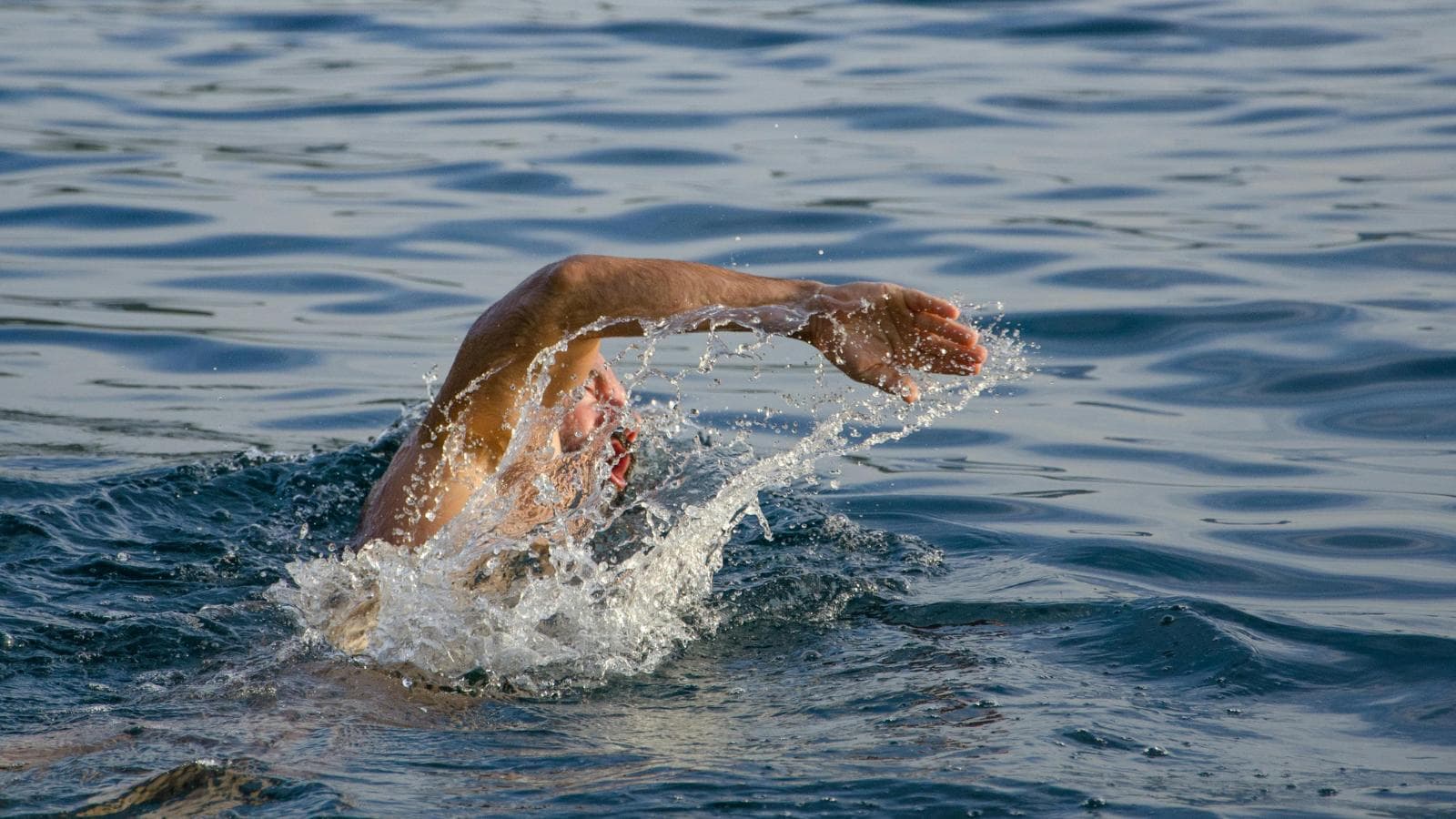
Open-water swimming creates major heat loss because water removes body heat much faster than air.
Risk increases further with:
- Low water temperatures
- Long swim duration
- Poor wetsuit fit
- Wind exposure after exiting the water
- Lean body composition
Triathletes often feel coldest after leaving the swim because wet skin combined with wind accelerates cooling rapidly.
Athletes preparing for colder race conditions often benefit from strategies discussed in acclimating to cold water in open water swimming.
Wind Chill Makes Cycling Dangerous
Cycling dramatically increases heat loss because moving air strips away body warmth continuously.
Even moderate temperatures can feel dangerously cold during:
- Descents
- Rain
- Long rides
- High-speed sections
Wet clothing makes this even worse because evaporation accelerates cooling.
Many triathletes underestimate wind chill during races and begin the run already excessively cold.
Fatigue Makes Hypothermia More Likely
Exhaustion reduces the body’s ability to regulate temperature effectively.
As fatigue increases:
- Energy availability drops
- Heat production decreases
- Coordination worsens
- Decision-making declines
Long-course racing increases risk significantly because athletes progressively lose the ability to maintain normal body temperature under stress.
This is one reason why understanding preventing burnout while training for a triathlon also matters during long-term endurance preparation and fatigue management.
Poor Nutrition Contributes to Hypothermia
The body needs energy to generate heat.
Underfuelled athletes struggle to maintain temperature because glycogen depletion reduces heat production capacity.
Low carbohydrate availability often worsens:
- Shivering
- Fatigue
- Mental fog
- Muscular weakness
This becomes especially important during longer races where nutrition directly affects both performance and safety.
Athletes following fueling for an ironman triathlon strategies usually manage cold-weather racing more effectively.
Wetsuits Help but Do Not Eliminate Risk
Wetsuits improve insulation and reduce heat loss during swimming, but they are not perfect protection. It is necessary to understand what wetsuit do you need for open water swimming to ensure warmth, buoyancy, and efficiency.
Risk still exists when:
- Water is extremely cold
- Wetsuits fit poorly
- Athletes remain exposed after the swim
- Wind chill increases later
Removing wet clothing quickly after racing or training is important because post-session cooling can continue even after exercise stops.
Lean Athletes Often Lose Heat Faster
Body composition influences heat retention.
Athletes with lower body fat sometimes experience:
- Faster heat loss
- Greater cold sensitivity
- More difficulty maintaining warmth
This does not mean lean athletes cannot race safely, but it increases the importance of: - Proper clothing
- Adequate fueling
- Warm-up management
- Layering strategy
Prevention Is Better Than Treatment
The safest approach is preventing excessive heat loss before symptoms become severe.
Important prevention strategies include:
- Wearing appropriate clothing
- Using properly fitted wetsuits
- Fueling consistently
- Staying dry when possible
- Monitoring weather forecasts
- Using windproof layers on the bike
- Adjusting pacing in difficult conditions
Athletes preparing for colder races often improve significantly through pacing mistakes in a triathlon because equipment choices strongly affect thermal management.
Recovery After Cold Exposure Matters
Even mild hypothermia creates significant physiological stress.
After prolonged cold exposure, triathletes should prioritise:
- Dry clothing
- Warm fluids
- Gradual rewarming
- Nutrition
- Recovery monitoring
Aggressive sudden heating is not always appropriate in more severe cases because circulation changes can create complications.
Athletes recovering from cold-weather races often benefit from approaches discussed in eating after a triathlon.
Common Hypothermia Mistakes Triathletes Make
Many athletes increase risk through avoidable decisions.
Common mistakes include:
- Ignoring early shivering
- Underestimating wind chill
- Starting races underdressed
- Skipping nutrition
- Staying in wet clothing too long
- Racing aggressively in poor conditions
- Ignoring confusion or coordination changes
- Assuming hypothermia only happens in freezing weather
Most dangerous situations develop gradually rather than suddenly.
Practical Ways to Reduce Hypothermia Risk
Triathletes can improve cold-weather safety by:
- Monitoring conditions carefully
- Dressing appropriately
- Fueling consistently
- Using proper wetsuit fit
- Protecting against wind exposure
- Watching for early symptoms
- Staying aware of mental changes
- Prioritising safety over race pace when conditions worsen
Good preparation usually prevents most hypothermia problems before they become dangerous.