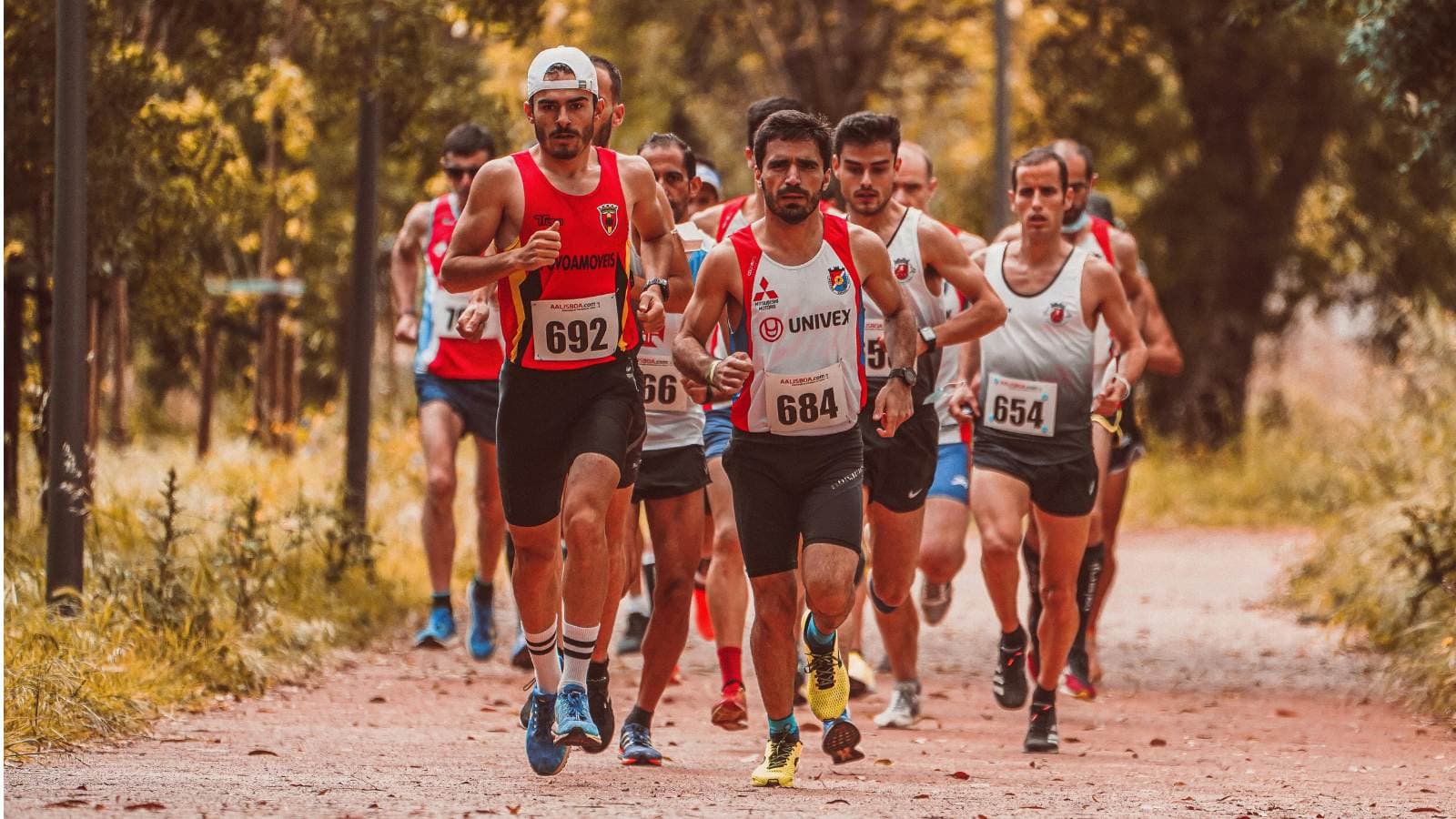


Adaptations in a triathlon training plan are the physical and physiological improvements the body makes in response to consistent training stress. Every swim, bike, run, recovery session, and strength workout creates stress that forces the body to gradually become:
- Stronger
- More efficient
- More durable
- Better at producing energy
- Better at recovering
Without adaptation, training would simply create fatigue without progress.

The purpose of structured triathlon training is not just accumulating workouts. The goal is creating the right balance between:
- Stress
- Recovery
- Progression
so the body adapts positively over time.
Adaptations happen gradually and affect:
- Aerobic endurance
- Muscular endurance
- Lactate threshold
- Recovery speed
- Movement efficiency
- Mental resilience
This becomes especially important during longer-distance preparation discussed in how to become an efficient triathlete, where consistent progression matters more than occasional hard sessions.
Aerobic Adaptations Improve Endurance
One of the biggest triathlon adaptations is improved aerobic capacity.
Aerobic training teaches the body to:
- Deliver oxygen more efficiently
- Use fat as fuel more effectively
- Sustain effort longer
- Recover faster between sessions
These adaptations happen primarily through:
- Easy endurance sessions
- Zone 2 training
- Long rides
- Long runs
- Aerobic swims
Athletes improving through strategies to combine swim, run and bike efficiently usually develop stronger long-term endurance because aerobic systems become more efficient over time.
Cardiovascular Adaptations Improve Oxygen Delivery
Consistent endurance training improves:
- Heart efficiency
- Stroke volume
- Blood circulation
- Oxygen transport
The heart becomes better at pumping blood with less effort.
This helps athletes:
- Maintain pace longer
- Lower heart rate at submaximal effort
- Improve endurance capacity
- Recover more efficiently
These changes happen gradually over weeks and months of structured training.
Muscular Adaptations Improve Fatigue Resistance
Triathlon training teaches muscles to tolerate longer periods of work.
Muscular adaptations include:
- Better endurance
- Improved energy use
- Greater durability
- Enhanced fatigue resistance
This becomes especially important during:
- Long rides
- Brick sessions
- Long-distance races
- Back-to-back training days
Athletes improving through what causes jelly legs after bike to run transition in a triathlon often understand how muscular fatigue adaptation affects race performance significantly.
Lactate Threshold Adaptations Improve Sustainable Pace
Lactate threshold refers to the intensity where fatigue begins accumulating rapidly.
Threshold training helps athletes:
- Sustain faster pace longer
- Improve efficiency under stress
- Delay fatigue buildup
- Maintain stronger race pace
These adaptations commonly come from:
- Tempo runs
- Threshold intervals
- Sustained bike efforts
- Controlled swim intervals
Athletes improving through how to use lactate threshold for smarter training often manage race pacing more effectively because effort becomes more sustainable.
Neuromuscular Adaptations Improve Coordination
Triathlon training improves communication between:
- Muscles
- Nerves
- Movement patterns
These neuromuscular adaptations help improve:
- Cadence
- Coordination
- Technique
- Efficiency
Examples include:
- Better swim timing
- Smoother pedal stroke
- Faster running turnover
- Improved transitions
Repeated movement patterns gradually become:
- More automatic
- More efficient
- Less energy demanding
Recovery Adaptations Improve Training Consistency
Training also improves the body’s ability to recover.
Well-structured plans gradually improve:
- Glycogen restoration
- Muscular repair
- Fatigue tolerance
- Recovery speed
Athletes who recover more efficiently can:
- Handle greater training load
- Maintain consistency
- Avoid excessive fatigue
This becomes especially important during heavy blocks discussed in how to recover faster after a triathlon, where recovery quality directly affects long-term progress.
Structural Adaptations Strengthen the Body
Triathlon training strengthens:
- Tendons
- Ligaments
- Bones
- Connective tissue
This process happens slowly and requires:
- Progressive overload
- Recovery
- Consistency
Rapid increases in training volume often overload these tissues before adaptation occurs properly. Athletes improving through how to decrease injury risk while training for a triathlon usually progress more safely because structural adaptation requires patience.
Mental Adaptations Matter Too
Triathlon adaptation is not only physical.
Athletes also develop:
- Confidence
- Pacing awareness
- Mental resilience
- Race discipline
- Stress tolerance
Long sessions and difficult workouts help athletes become more comfortable managing:
- Discomfort
- Fatigue
- Pacing pressure
- Environmental challenges
These mental changes become extremely valuable during racing.
Adaptations Only Happen with Recovery
One of the biggest misconceptions in endurance sport is believing adaptation happens during the workout itself.
Training creates stress.
Recovery allows:
- Repair
- Adaptation
- Strengthening
- Performance improvement
Without recovery, fatigue simply accumulates without positive adaptation. Athletes improving through mental strategies that can help improve triathlon performance often perform better long term because recovery becomes part of the plan rather than an interruption to it.
Specific Training Creates Specific Adaptations
The body adapts specifically to the type of stress applied.
Examples include:
- Long aerobic rides improving endurance
- Swim intervals improving pacing
- Hill sessions improving strength
- Brick workouts improving transition adaptation
Training should match:
- Race goals
- Fitness level
- Event demands
Random hard sessions without structure often create fatigue without meaningful adaptation.
Adaptations Take Time
Most endurance adaptations happen gradually over:
- Weeks
- Months
- Training cycles
Many beginners expect immediate progress and become frustrated when improvement feels slow.
However, triathlon fitness develops through:
- Repetition
- Consistency
- Sustainable progression
This becomes especially important during preparation discussed in efficient triathlon time for beginners, where efficiency improvements often develop slowly but produce major long-term gains.
Overtraining Reduces Positive Adaptation
Too much stress without enough recovery may reduce:
- Performance
- Hormonal balance
- Recovery quality
- Immune function
- Motivation
When this happens, the body struggles adapting positively. More training is not always better.
The best triathlon plans balance:
- Stress
- Recovery
- Progression
carefully over time.
Nutrition Supports Adaptation
Adaptation depends heavily on:
- Energy availability
- Protein intake
- Hydration
- Sleep quality
Poor nutrition often limits: - Recovery
- Muscle repair
- Endurance progression
- Hormonal function
Athletes improving through how much should you drink per hour on the bike often realise hydration affects overall adaptation and recovery as much as race performance itself.
Sleep Is Critical for Adaptation
Sleep supports:
- Muscle repair
- Hormonal recovery
- Nervous system restoration
- Glycogen replenishment
Athletes sleeping poorly often struggle adapting properly even when training quality remains high. Athletes should improve their habits through sleep strategies for triathletes recovery techniques to help establish a better routine.
Consistent sleep improves:
- Recovery speed
- Endurance development
- Injury resistance
- Training quality
Adaptations Vary Between Athletes
Every athlete adapts differently depending on:
- Genetics
- Training history
- Age
- Recovery habits
- Lifestyle stress
Some athletes improve quickly while others require:
- Longer progression
- More recovery
- Lower volume
Comparing adaptation speed with other athletes often creates unnecessary frustration.
Common Mistakes That Limit Adaptation
Many triathletes slow progress through avoidable habits.
Common mistakes include:
- Training too hard constantly
- Ignoring recovery
- Increasing volume aggressively
- Poor nutrition
- Inconsistent sleep
- Random session structure
The body adapts best when training remains progressive and sustainable.
Practical Ways to Improve Adaptation
Triathletes can improve adaptation by:
- Training consistently
- Prioritising recovery
- Sleeping properly
- Fueling well
- Increasing workload gradually
- Following structured plans
- Monitoring fatigue
- Staying patient
The best adaptations usually happen slowly through months of smart consistent training rather than short periods of extreme effort.