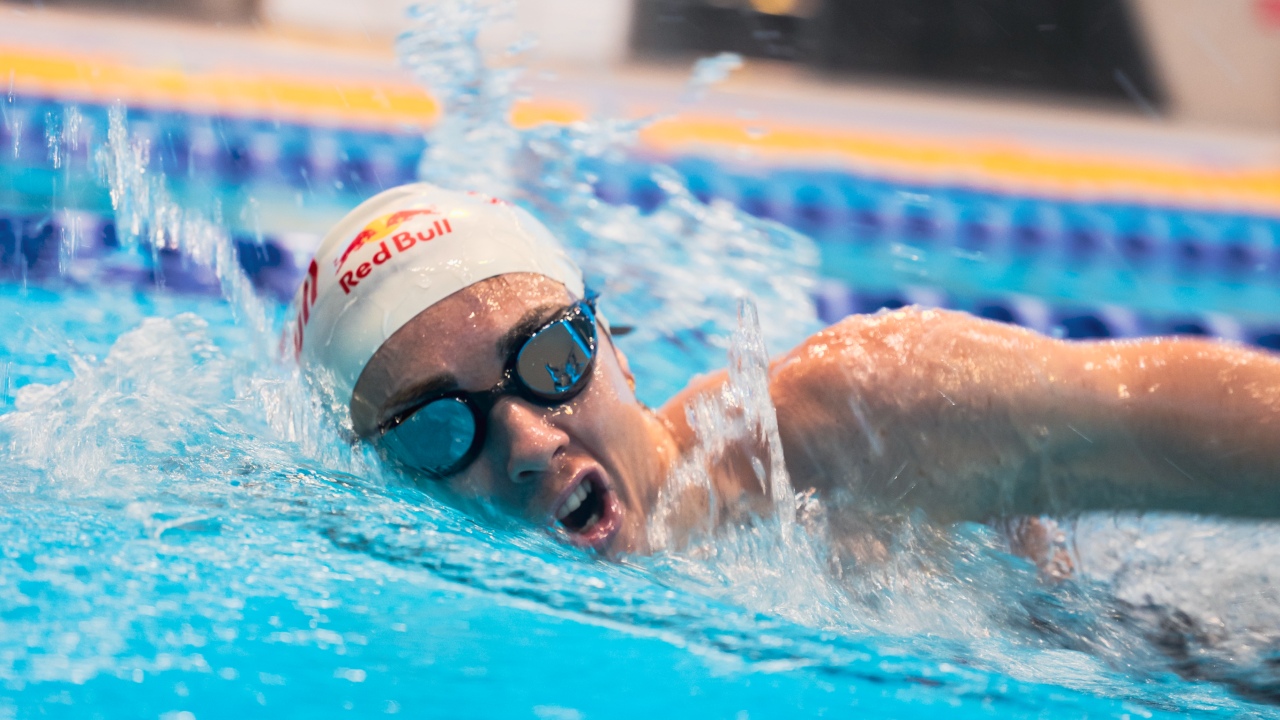


Swimming technique breaks down with fatigue because tired muscles become less effective at maintaining body position, coordinating movements, and producing consistent propulsion. As fatigue increases, swimmers often lose stroke efficiency, breathe less comfortably, and use more energy to maintain the same speed. Unlike running or cycling, swimming depends heavily on precise coordination between the arms, legs, breathing, and body rotation. Small technical changes can increase water resistance, making each stroke harder and accelerating fatigue. For triathletes, this becomes particularly important during longer swims and open water races. Poor pacing, unfamiliar conditions, and limited swim endurance can cause technique to deteriorate before the swim leg is complete. The solution is not simply swimming harder or completing more distance. Developing aerobic endurance, improving technical skills, and learning to recognize early signs of fatigue can help swimmers maintain efficient movement for longer.
In Short
- Fatigue reduces swimming coordination and control.
- Body position often deteriorates first.
- Tired swimmers may shorten their strokes.
- Poor breathing can accelerate fatigue.
- Excessive kicking increases energy demands.
- Swimming harder does not always improve speed.
- Technique should be practiced at manageable intensities.
- Endurance training helps maintain stroke consistency.
- Pacing matters during long swims.
- Recognizing early technique changes prevents unnecessary exhaustion.
Why Does Fatigue Affect Swimming Technique?
Efficient swimming requires several muscle groups to work together. The shoulders, back, core, hips, and legs must coordinate movements while maintaining balance in the water. As fatigue develops, swimmers may struggle to maintain the same movement quality.
Common changes include:
- Reduced stroke control.
- Poorer body alignment.
- Inconsistent breathing.
- Shorter underwater pulls.
- Excessive kicking.
- Increased side-to-side movement.
These changes can increase drag, meaning the resistance created as the body moves through water. Understanding how do triathletes improve freestyle efficiency in open water can help swimmers recognize why coordinated movements matter more than simply increasing effort.
Fatigue Changes Body Position
Good swimming technique depends on maintaining a relatively horizontal position. When core and hip control deteriorate, the legs may drop deeper into the water. This increases frontal resistance and makes forward movement more demanding.
Signs include:
- Sinking hips.
- Dropping legs.
- Excessive head lifting.
- Increased kicking to stay balanced.
- Greater effort without improved speed.
Understanding why is level body positioning important for triathlon swimming can help identify alignment problems before they become established habits. A relaxed head position and controlled body rotation can reduce unnecessary resistance.
Swimming Strokes Become Shorter
Fatigued swimmers sometimes shorten their underwater pulling movements. This may happen because shoulder muscles tire or stroke timing becomes inconsistent. Instead of maintaining a controlled catch and pull, the swimmer may rush the arm through the water. The catch is the phase when the hand and forearm establish pressure against the water to help move the body forward. A poor catch can reduce propulsion even when stroke rate increases. Understanding can a better catch help you swim faster can help swimmers improve the effectiveness of each stroke.
How Breathing Problems Accelerate Fatigue?
Breathing becomes more difficult when swimmers lose their rhythm.
Common problems include:
- Holding the breath underwater.
- Turning the head excessively.
- Lifting the head forward.
- Rushing inhalation.
- Breathing too infrequently for the effort.
These habits can disturb body alignment and increase discomfort. Swimmers should exhale comfortably underwater and inhale when the mouth clears the surface. Understanding how to coordinate breathing with your swim strokes in a triathlon can help establish a breathing pattern that remains manageable as effort increases.
Does Poor Kicking Technique Make Fatigue Worse?
Yes. Excessive kicking can increase energy expenditure without producing a useful improvement in speed. Triathletes often benefit from a controlled kick that supports body position and rotation. When fatigue develops, some swimmers kick harder to compensate for sinking legs. However, this can increase oxygen demand and tire the legs unnecessarily.
Focus on:
- Small, controlled kicks.
- Relaxed ankles.
- Stable hip positioning.
- Avoiding excessive knee bending.
- Coordinating kicking with body rotation.
The goal is efficient movement rather than maximum kicking power.
How Can Swimmers Recognize Technique Breakdown?
Technique deterioration often begins before swimmers feel completely exhausted.
Early warning signs include:
| Warning sign | Possible technical problem |
|---|---|
| Increasing strokes per length | Reduced distance traveled per stroke |
| Sinking legs | Poor body alignment |
| Frequent head lifting | Breathing or sighting difficulty |
| Splashier arm recovery | Reduced movement control |
| Increasing effort at the same pace | Reduced efficiency |
| Uneven stroke rhythm | Coordination difficulties |
These signs are useful but not definitive. Stroke count and pace can also change because of speed, turns, or water conditions.
Understanding what swim drills improve front crawl technique can help swimmers address specific weaknesses through controlled practice.
Pacing Matters During Long Swims
Starting too quickly can accelerate fatigue and cause early technique breakdown. A swimmer who begins above their sustainable effort may struggle to maintain stroke quality later.
Better pacing involves:
- Starting at a controlled intensity.
- Establishing comfortable breathing.
- Avoiding unnecessary surges.
- Maintaining consistent stroke rhythm.
- Adjusting effort when technique deteriorates.
Understanding how can you improve your swim stamina for a triathlon can help develop the endurance needed to sustain technique over longer distances.
How to Train Swimming Technique Under Fatigue?
Technique should first be developed when swimmers are fresh enough to perform movements correctly. Once a skill becomes consistent, it can be practiced during moderate fatigue.
A useful session might include:
| Session component | Example |
|---|---|
| Warm-up | 200m easy swimming |
| Technique practice | 4 × 50m controlled drills |
| Main set | 6 × 100m steady swimming |
| Technique check | 4 × 50m focusing on alignment |
| Cool down | 100m relaxed swimming |
Adjust distances and rest periods to your ability. The objective is maintaining technique, not forcing perfect movements while exhausted. Understanding what swim workouts improve triathlon performance can help combine technical development with appropriate endurance training.
Should You Stop When Technique Deteriorates?
Not every small technical change requires ending a workout. However, repeatedly practicing severely deteriorated strokes can reinforce inefficient habits.
When technique begins to decline:
- Reduce swimming intensity.
- Take a short recovery interval.
- Focus on one technical cue.
- Resume at a manageable pace.
- End the demanding set if control does not improve.
Persistent shoulder pain, dizziness, or significant breathing difficulty should not be treated as ordinary training fatigue. Understanding when should you stop during a triathlon can help distinguish manageable discomfort from warning signs requiring immediate attention.
Open Water Swimming and Fatigue
Open water introduces additional challenges that may accelerate technique breakdown. These include waves, currents, navigation, crowding, and unfamiliar breathing conditions. Sighting too frequently or lifting the head excessively can increase resistance. Swimmers may also lose rhythm when adjusting their strokes around other competitors. Understanding how to sight properly in open water swimming can help triathletes navigate without repeatedly disrupting body position. Practice open water skills in supervised, suitable conditions rather than relying exclusively on pool training.
Common Mistakes
- Starting swim sessions too fast.
- Ignoring sinking hips and legs.
- Holding the breath underwater.
- Kicking harder to compensate for poor alignment.
- Increasing stroke rate without maintaining propulsion.
- Practicing difficult drills while exhausted.
- Swimming through worsening shoulder pain.
- Treating every workout as a speed session.
- Ignoring early signs of technique deterioration.
Practical Tips
- Begin swims at a controlled pace.
- Maintain a relaxed head position.
- Exhale consistently underwater.
- Focus on smooth body rotation.
- Use manageable intervals.
- Monitor stroke count and effort.
- Practice technique while fresh.
- Introduce moderate fatigue gradually.
- Take recovery breaks when form deteriorates.
- Build endurance consistently.
Actionable Takeaways
- Recognize technique changes before exhaustion develops.
- Prioritize body alignment, breathing, and stroke control.
- Combine technical drills with progressive endurance training.
- Slow down when fatigue begins affecting efficiency.