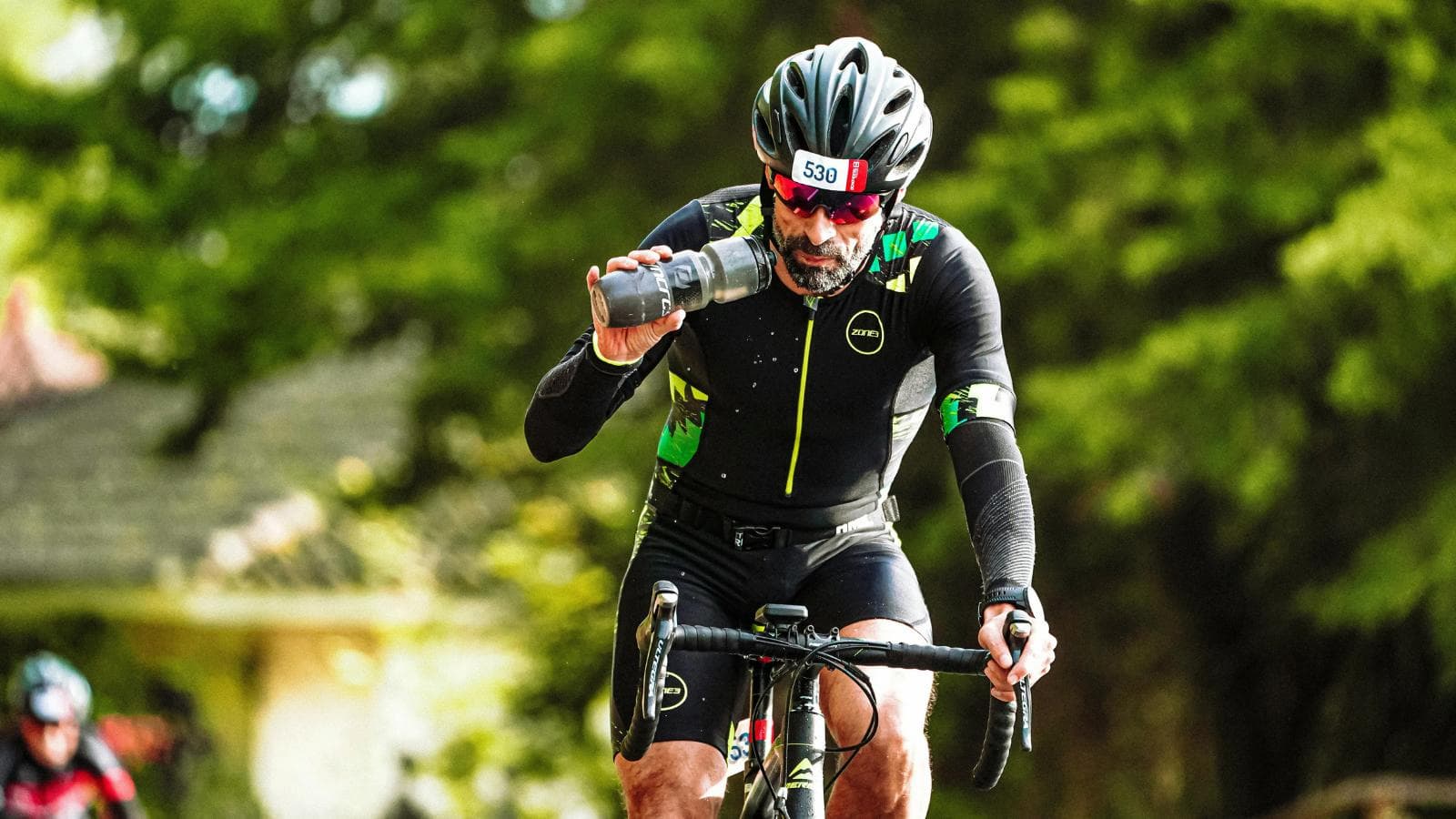


Water is generally enough for the bike leg of a sprint triathlon, especially when the race takes place in mild conditions and the athlete begins adequately hydrated. Because the cycling section is relatively short, most beginners do not need complicated sports drink strategies or large amounts of sodium to complete it successfully. A standard sprint triathlon typically includes a 750 meter swim, 20 kilometer bike ride, and 5 kilometer run. Depending on fitness and experience, the entire event may take approximately one to two hours or longer, with the cycling leg commonly lasting 35 – 60 minutes. However, hydration requirements are not identical for every athlete. Hot weather, heavy sweating, slower race times, and individual fluid needs can change how much drinking is appropriate.
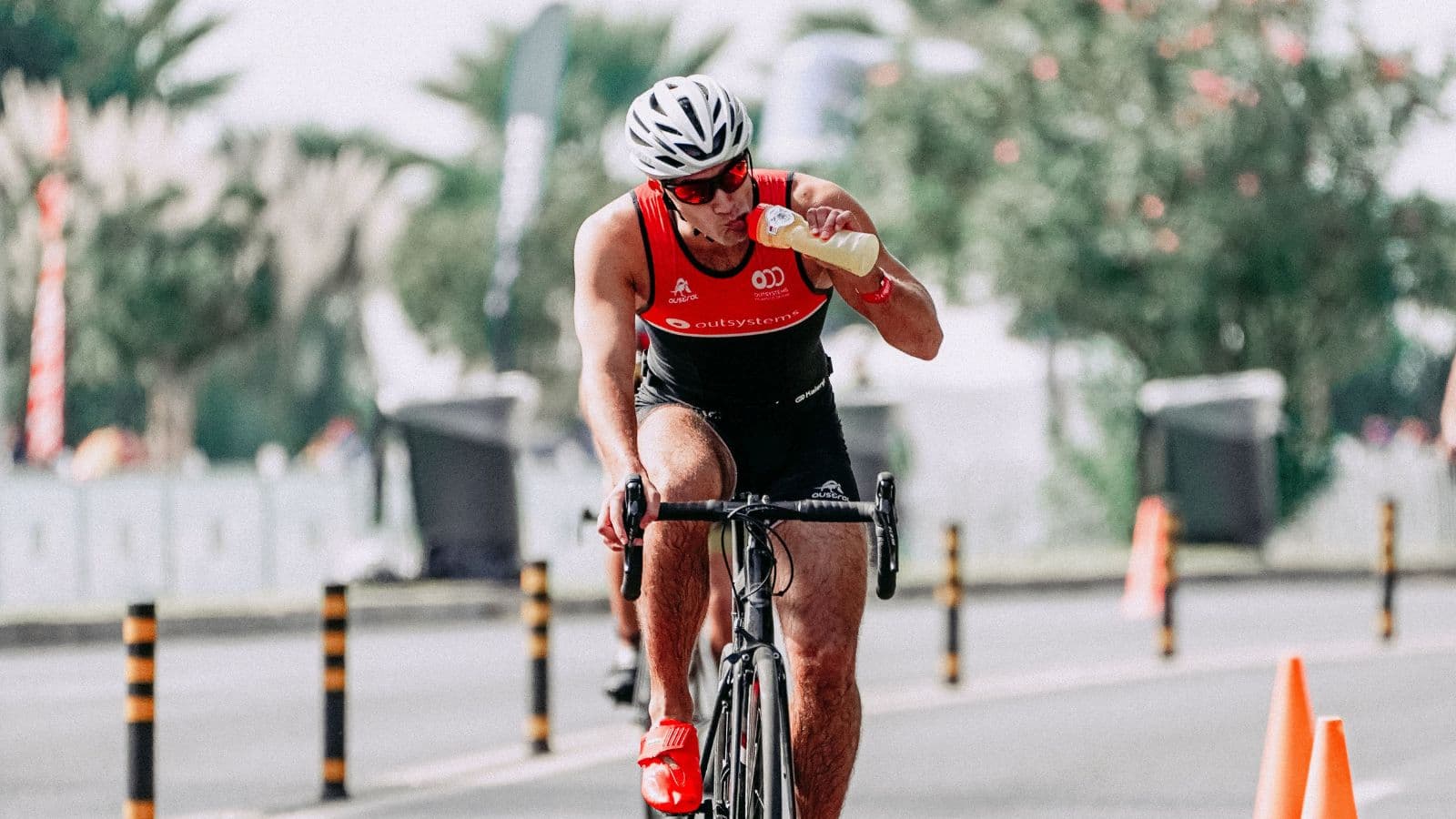
The best approach is to arrive hydrated, carry a practical amount of fluid, and drink according to conditions without forcing unnecessary quantities. For most sprint triathletes, simplicity and consistency are more valuable than an elaborate hydration plan.
In Short
- Plain water is usually sufficient for the sprint bike leg.
- Most athletes do not need electrolyte tablets for a short ride.
- Hot weather may increase fluid requirements.
- Sweat rates vary considerably between athletes.
- Drink according to thirst and race conditions.
- Avoid forcing large amounts of water.
- One bike bottle is often enough.
- Carbohydrates may help some athletes racing longer.
- Practice your drinking strategy during training.
- Begin the race normally hydrated.
Why Water Is Usually Enough?
The sprint triathlon bike leg is relatively short compared with Olympic distance and long course events. For many athletes, the cycling section lasts less than an hour. During this period, normal body fluid and electrolyte reserves are generally sufficient when the athlete starts hydrated and environmental conditions are moderate. Water helps replace some fluid lost through sweating and supports normal temperature regulation. However, the purpose of drinking is not necessarily to replace every milliliter of sweat during the race. Understanding hydration strategy for triathlon (by distance and weather) can help athletes recognize why shorter events usually require less complicated hydration planning.
How Much Water Should You Drink?
There is no universal fluid target suitable for every sprint triathlete.
The amount required depends on:
- Race duration.
- Air temperature.
- Humidity.
- Individual sweat rate.
- Exercise intensity.
- Fluid consumed before the race.
A practical starting point for many athletes is approximately 300 – 600 mL per hour during moderate conditions, adjusted according to thirst, tolerance, and personal sweat losses. Some athletes will need less, while others may need more in hot conditions.
| Bike leg duration | Practical hydration approach |
|---|---|
| Under 30 minutes | Drinking may be unnecessary if adequately hydrated |
| 30 – 45 minutes | Small drinks as needed |
| 45 – 60 minutes | Carry water and drink according to conditions |
| Over 60 minutes | Consider individual fluid and fueling requirements |
These are general guidelines, not mandatory drinking targets. Understanding how much should you drink per hour on the bike can help athletes develop a strategy based on their actual needs.
Electrolytes May Be Useful
Electrolytes are minerals involved in fluid balance, nerve signaling, and muscle function. Sodium is the main electrolyte lost through sweat. For a short sprint triathlon bike leg, most athletes do not need additional sodium beyond normal dietary intake.
However, electrolyte containing drinks may be useful when:
- Racing in very hot conditions.
- Sweating heavily.
- Completing the race over a longer period.
- Experiencing substantial fluid losses.
- Following an individualized hydration plan.
Electrolytes do not automatically improve performance or prevent cramps. Understanding electrolytes for triathletes: what you actually need can help athletes avoid unnecessary supplements while recognizing situations where sodium replacement may be appropriate.
Water vs Sports Drinks
Water and sports drinks serve different purposes. Water provides fluid without additional energy.
Sports drinks may contain carbohydrates and sodium, which can support fueling and fluid replacement during longer or more demanding events.
| Feature | Plain water | Sports drink |
|---|---|---|
| Fluid replacement | Yes | Yes |
| Carbohydrates | No | Usually |
| Sodium | Negligible | Often included |
| Calories | None | Usually present |
| Short sprint bike leg | Usually sufficient | Optional |
| Longer race duration | May need separate fueling | Can provide fluid and fuel |
A sports drink is not automatically better than water. Understanding what to eat during a triathlon (distance-based guide) can help athletes distinguish hydration needs from carbohydrate requirements.
Does Race Duration Change Hydration Needs?
Yes. Total race duration matters more than cycling distance alone. A faster athlete may complete the entire sprint triathlon in approximately one hour. A beginner may spend two hours or longer racing, particularly on challenging courses. Longer exposure increases opportunities for sweat loss and may make carbohydrate intake more useful. For races lasting beyond roughly 75 – 90 minutes, some athletes may benefit from consuming carbohydrates during the bike leg. Understanding how to fuel for a triathlon (complete guide) can help athletes plan fluid and energy intake together rather than treating them as separate concerns.
Hydration in Hot Weather
Heat increases the body’s need to regulate temperature through sweating. During a hot sprint triathlon, athletes may lose more fluid than they would in mild conditions.
Potential warning signs include:
- Unusual thirst.
- Increasing perceived effort.
- Headache.
- Dizziness.
- Reduced coordination.
- Excessive fatigue.
However, these symptoms are not specific to dehydration and may indicate heat illness or another medical problem. Understanding what are the biggest mistakes triathletes make when racing in the heat can help athletes prepare for demanding environmental conditions. If you experience confusion, collapse, or signs of serious heat illness, stop racing and seek immediate medical assistance.
Should You Drink Before the Swim?
Starting the race adequately hydrated is more useful than trying to compensate for poor hydration during the bike leg. Drink normally in the hours before the start. Avoid consuming excessive quantities immediately before entering the water.
A practical approach includes:
- Drinking regularly with breakfast.
- Allowing time for digestion.
- Taking small drinks before the start if thirsty.
- Avoiding unfamiliar supplements.
- Using urine color as one rough hydration indicator.
Pale yellow urine can suggest adequate hydration, although urine color alone is not a definitive measure. Understanding what to eat before a triathlon can help athletes coordinate breakfast, fluid intake, and race timing.
How to Carry Water on the Bike?
For most sprint triathlons, one standard cycling bottle is sufficient. A 500 – 750 mL bottle provides a convenient amount of fluid without requiring complicated equipment.
Useful options include:
- A standard frame-mounted bottle.
- A secure bottle cage.
- A familiar sports bottle.
- A drink that has been tested during training.
Make sure the bottle is accessible without compromising bike control. Practice drinking while riding on quiet, safe roads before race day.
Understanding what you should check on your bike before every ride can help athletes include bottle security in their equipment preparation.
Avoiding Overhydration
Drinking too much water can also create problems. Excessive fluid intake may dilute blood sodium concentration, contributing to exercise-associated hyponatremia. Although this is more common during prolonged endurance events, it remains important not to force unnecessary fluid consumption.
Avoid:
- Drinking continuously without thirst.
- Trying to replace every drop of sweat.
- Consuming large volumes immediately before racing.
- Assuming more water always improves performance.
The objective is appropriate hydration, not maximum fluid intake.
Practicing Hydration During Training
Race day should not be the first time you test your hydration strategy.
Use training rides of similar duration and intensity to assess:
- How much you naturally drink.
- Whether your bottle is easy to access.
- How your stomach responds.
- How weather changes your thirst.
- Whether additional fueling is necessary.
Understanding how to pace and fuel the bike leg in a triathlon can help integrate hydration into a realistic race strategy. Practice drinking without looking down for extended periods or losing control of the handlebars.
Common Mistakes
- Assuming everyone needs the same amount of water.
- Drinking excessively before the swim.
- Using electrolyte tablets unnecessarily.
- Forgetting to carry a bottle.
- Trying unfamiliar sports drinks on race day.
- Ignoring hot weather conditions.
- Confusing hydration with carbohydrate fueling.
- Waiting until severe symptoms develop.
- Believing every cramp results from sodium deficiency.
Practical Tips
- Begin the race adequately hydrated.
- Carry one secure cycling bottle.
- Drink according to thirst and conditions.
- Practice drinking while riding.
- Adjust fluid intake for hot weather.
- Consider total race duration.
- Use familiar drinks.
- Avoid forcing excessive water.
- Review race-day weather.
- Keep hydration simple.
Actionable Takeaways
- Plain water is usually enough for a sprint triathlon bike leg.
- Carry one bottle and drink according to your needs.
- Consider electrolytes or carbohydrates when conditions justify them.
- Test your hydration plan before race day.