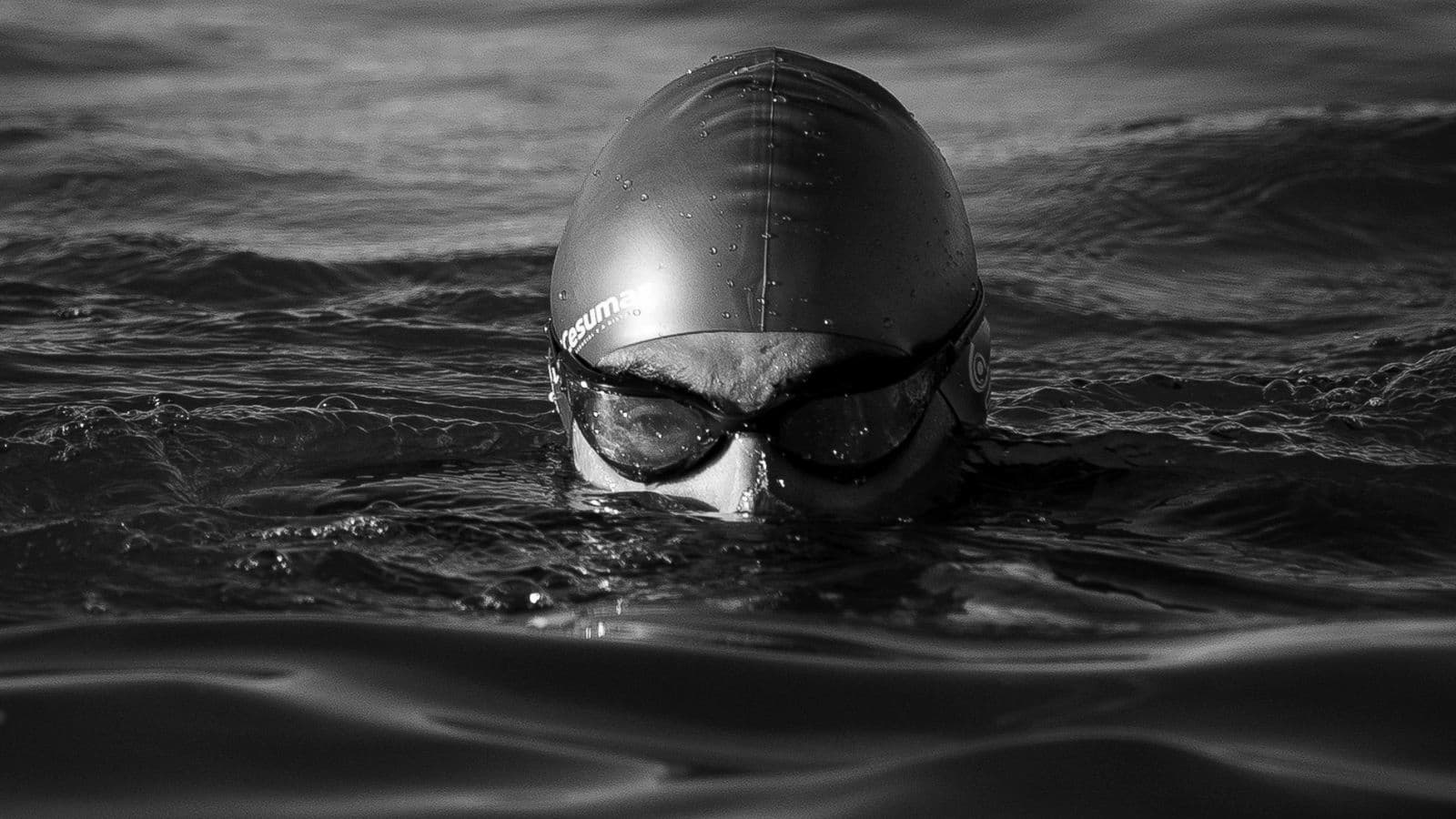


Cold water swimming has become increasingly popular among triathletes, endurance athletes, and wellness enthusiasts. While social media often promotes dramatic claims about ice baths and cold exposure, the reality is that cold water swimming offers both genuine benefits and important considerations. For triathletes, cold water swimming can provide advantages that extend beyond simply preparing for race-day conditions. It can improve confidence, develop mental resilience, enhance open-water skills, and help athletes become more comfortable in challenging environments.
However, understanding the real benefits, and avoiding exaggerated expectations, is essential.
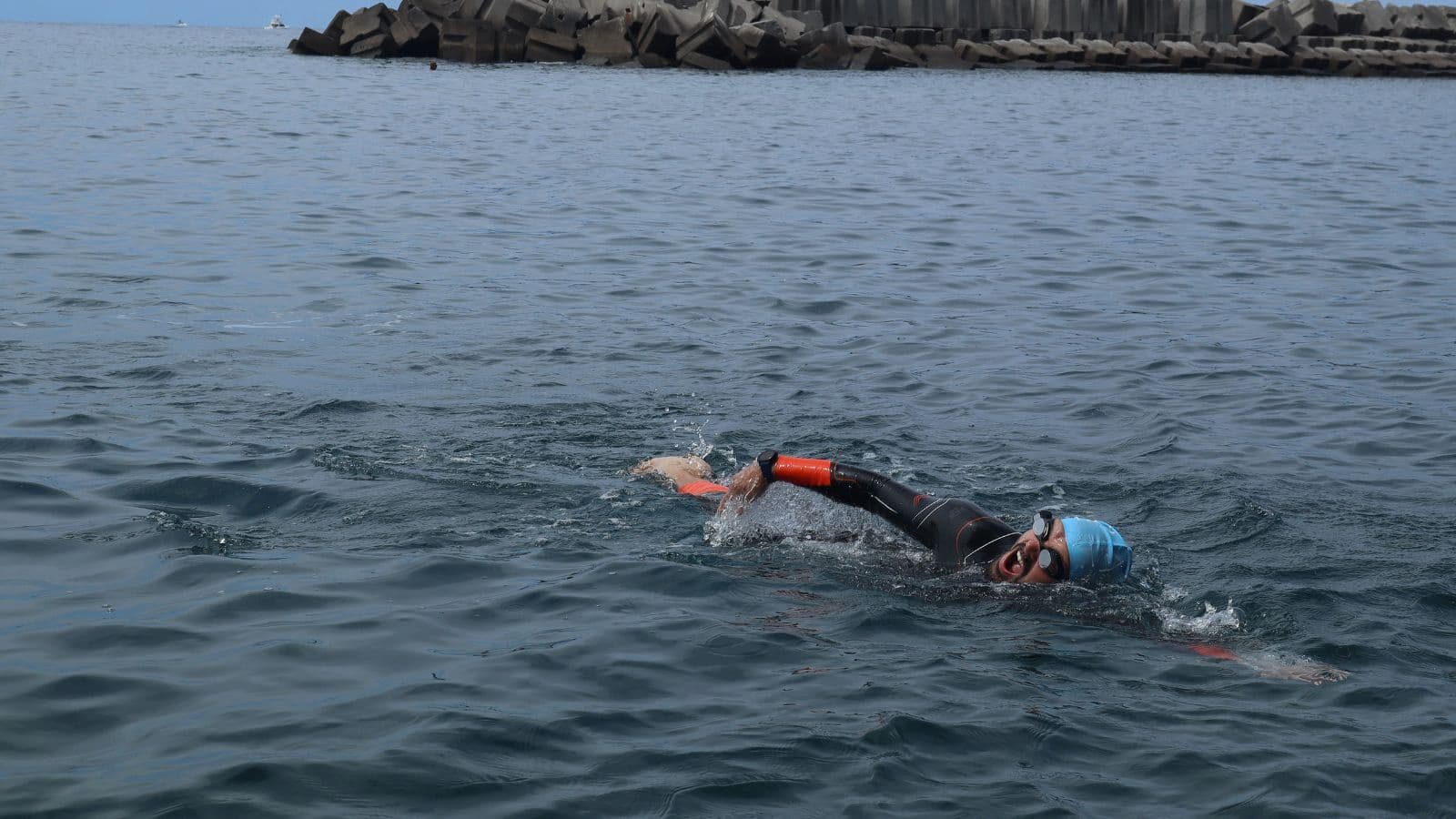
Why Cold Water Swimming Matters in Triathlon?
Many triathlon events take place in:
- Lakes
- Reservoirs
- Rivers
- Coastal waters
These environments are often significantly colder than swimming pools. Athletes who understand how do triathletes improve freestyle efficiency in open water know that open-water performance depends on more than fitness alone. Comfort in cold water can have a major impact on race-day execution.
Improved Cold Water Adaptation
One of the most obvious benefits is physiological adaptation. Regular cold water exposure can help athletes become more comfortable with:
- Initial cold shock
- Breathing changes
- Water temperature fluctuations
Triathletes who train exclusively in warm pools may find cold race-day conditions particularly stressful. Practising in cooler water helps reduce surprises.
Better Open-Water Confidence
Confidence is often one of the biggest performance factors in triathlon swimming.
Cold water swimming allows athletes to become familiar with:
- Reduced water temperatures
- Wetsuit sensations
- Open-water conditions
Athletes who understand why is a level body position important for triathlon swimming often discover that confidence helps swimmers maintain better technique under pressure.
Enhanced Mental Resilience
Cold water swimming requires athletes to remain calm despite discomfort.
Regular exposure can help develop:
- Focus
- Composure
- Stress management
- Mental toughness
Athletes who understand what mindset helps triathletes perform at their best know that mental resilience is a valuable asset throughout training and racing. Learning to stay relaxed in cold water can transfer to other race-day challenges.
Improved Breathing Control
Cold water often triggers an involuntary gasp response.
With practice, athletes learn to:
- Control breathing
- Stay relaxed
- Manage anxiety
This skill can be extremely useful during:
- Race starts
- Crowded swim sections
- Challenging conditions
Efficient breathing often improves overall swim performance.
Better Race-Day Preparation
Many triathletes encounter cold water during races.
Regular exposure helps athletes:
- Test equipment
- Practise pacing
- Refine warm-up strategies
Athletes who understand how can triathletes reduce the risk of a swim cancellation on race day know that preparation often reduces uncertainty and improves confidence.
Increased Wetsuit Familiarity
Cold water sessions provide valuable opportunities to:
- Test wetsuits
- Practise sighting
- Adjust swim technique
Many athletes only wear their wetsuits occasionally. Consistent practice can improve comfort and efficiency.
Potential Recovery Benefits
Cold exposure is often associated with recovery.
Some athletes report:
- Reduced soreness
- Improved perceptions of recovery
- Better post-workout comfort
However, recovery responses vary between individuals, and cold water should not be viewed as a magic solution. Athletes who understand what strategies should triathletes follow for a better recovery know that recovery depends on multiple factors, including sleep, nutrition, and training load.
Greater Respect for Environmental Conditions
Cold water swimming teaches athletes to pay attention to:
- Water temperature
- Weather conditions
- Safety considerations
This awareness can improve decision-making before races and training sessions. Experience often helps athletes assess conditions more effectively.
Improved Focus During Training
Cold water naturally demands concentration.
Athletes often become more aware of:
- Breathing
- Stroke rhythm
- Body position
This heightened focus can lead to more purposeful swim sessions.
Community and Social Benefits
Many cold water swimmers participate in:
- Group swims
- Local clubs
- Open-water communities
These social environments can provide:
- Motivation
- Accountability
- Shared experiences
Athletes who understand what are the benefits of training with other triathletes often appreciate the positive impact that training communities can have on consistency and enjoyment.
It Can Make Race Conditions Feel Easier
One practical benefit of cold water swimming is perspective. Athletes who regularly train in challenging conditions often find race-day temperatures less intimidating. Familiarity can reduce anxiety and improve confidence.
Cold Water Is Not a Performance Shortcut
Some claims surrounding cold exposure can be exaggerated.
Cold water swimming alone will not:
- Dramatically improve fitness
- Replace structured training
- Guarantee faster race times
Athletes who understand are triathletes relying too much on training data know that performance improvements usually result from consistent training rather than single interventions.
Safety Must Always Come First
Cold water swimming carries genuine risks.
Athletes should:
- Enter gradually
- Swim with others
- Understand local conditions
- Wear appropriate equipment
Preparation and caution are essential.
Fueling and Energy Demands May Increase
Cold environments can increase energy expenditure.
Athletes should pay attention to:
- Hydration
- Nutrition
- Recovery needs
Athletes who understand how do carbs affect fat burning during endurance training know that adequate energy intake supports both performance and recovery.
Long-Term Adaptation Takes Time
The benefits of cold water exposure typically develop gradually.
Athletes should focus on:
- Consistent exposure
- Safe progression
- Building confidence
Rather than forcing extreme conditions immediately.
Common Cold Water Swimming Mistakes
Many triathletes:
- Enter water too quickly
- Ignore safety protocols
- Overestimate their tolerance
- Neglect proper warm-up procedures
- Assume cold water automatically improves fitness
- Train alone
- Wear unsuitable equipment
- Ignore weather conditions
Most of these mistakes are preventable.
How Triathletes Can Benefit From Cold Water Swimming?
Triathletes can maximise the benefits by:
- Progressing gradually
- Practising regularly
- Using appropriate safety measures
- Building open-water confidence
- Improving breathing control
- Testing race equipment
- Training with others
- Maintaining realistic expectations
Cold water swimming is not a miracle training method, but it can be a valuable tool for triathletes. When approached safely and consistently, it can improve confidence, mental resilience, open-water competence, and race-day preparedness while helping athletes become more comfortable in the environments where many triathlons are held.