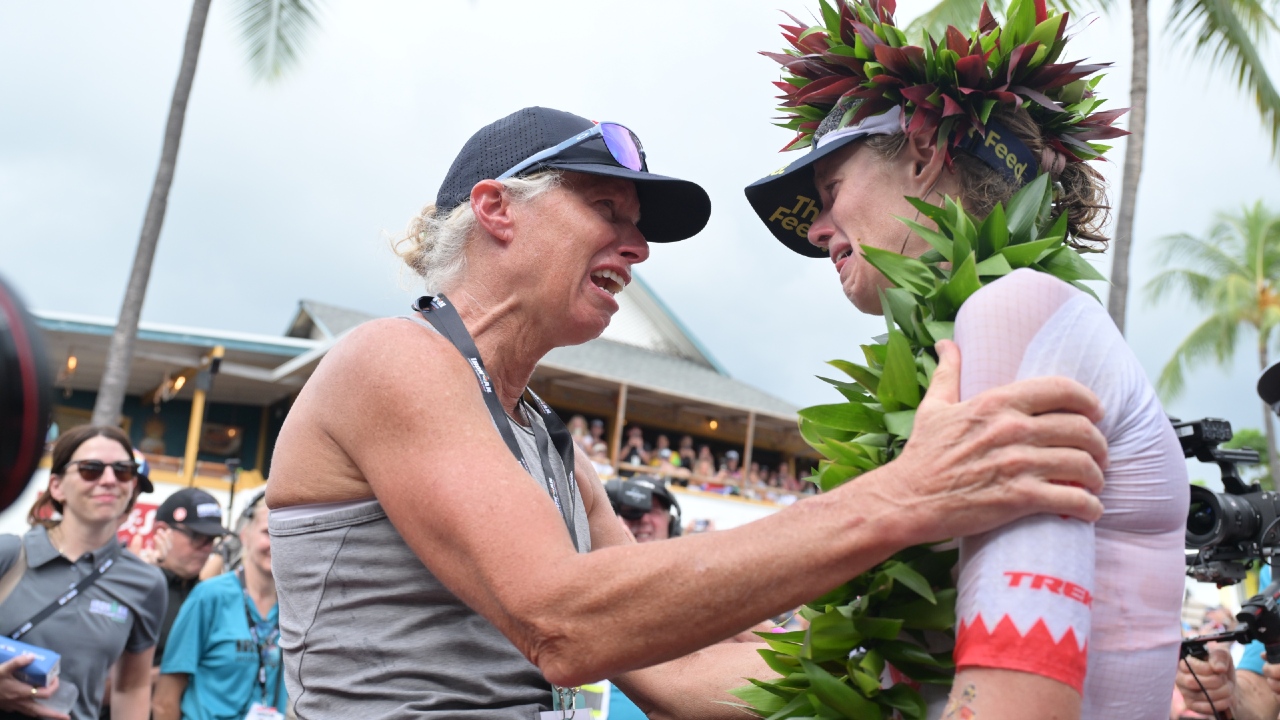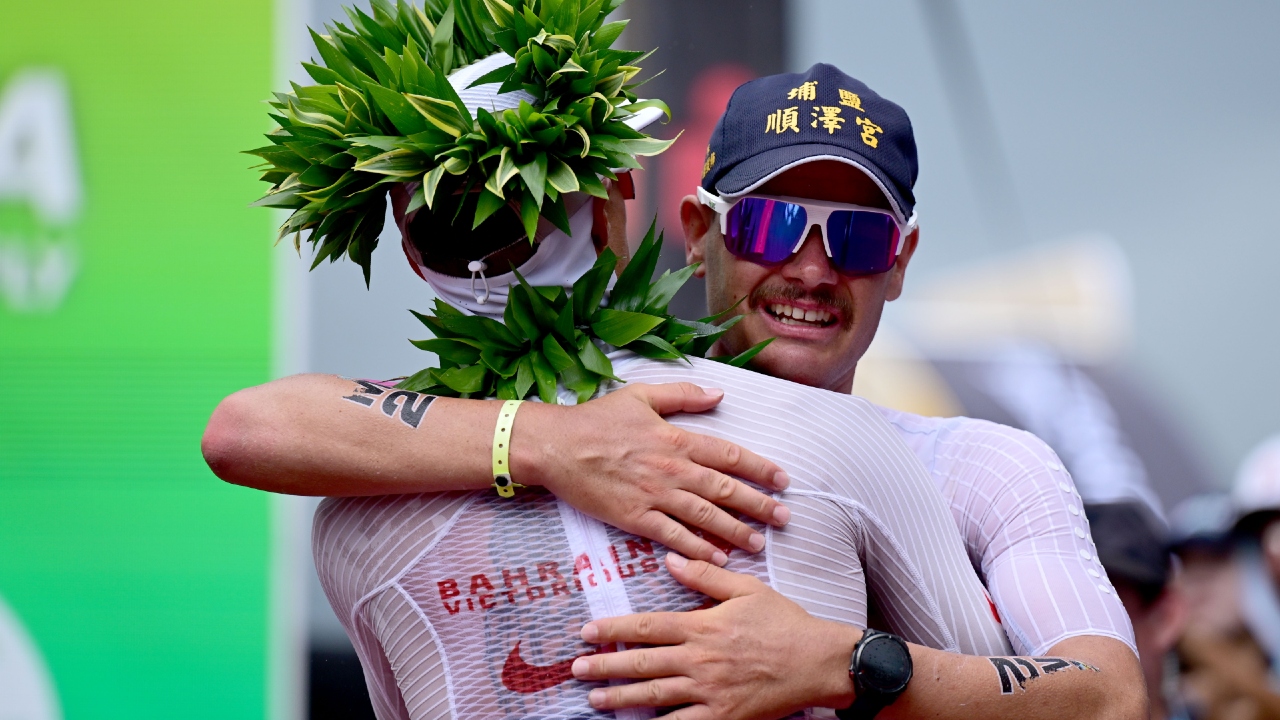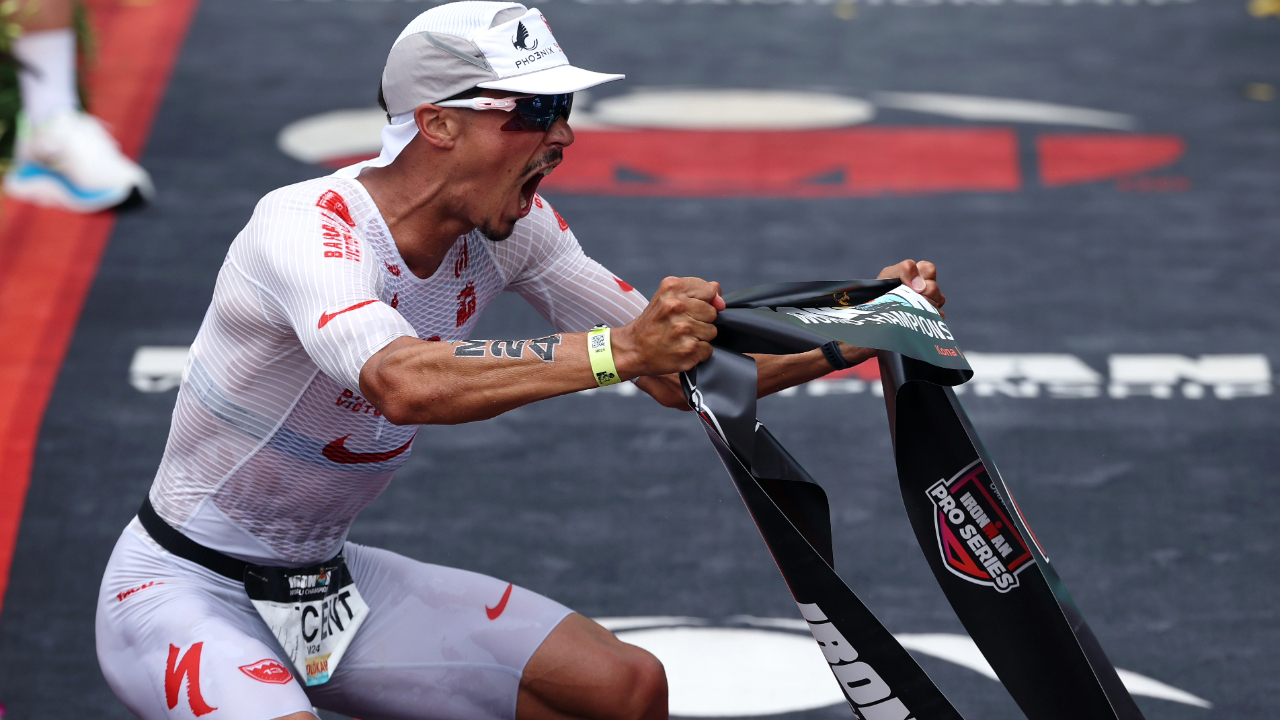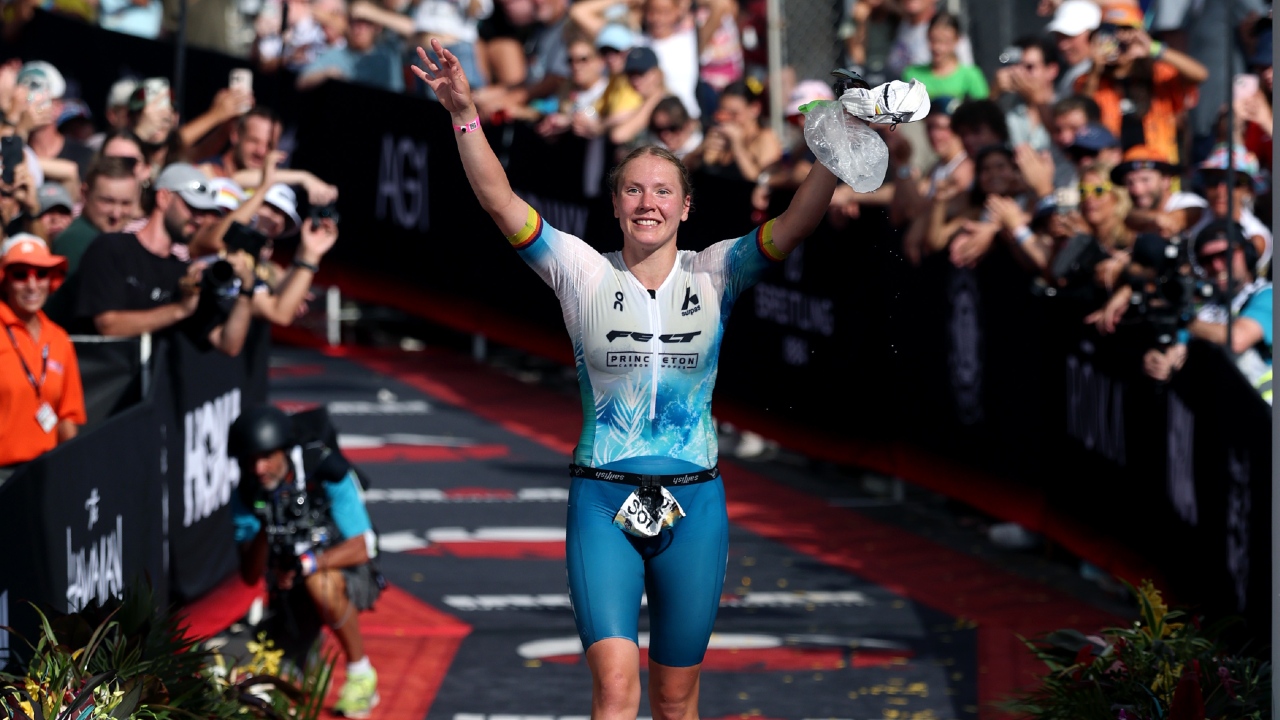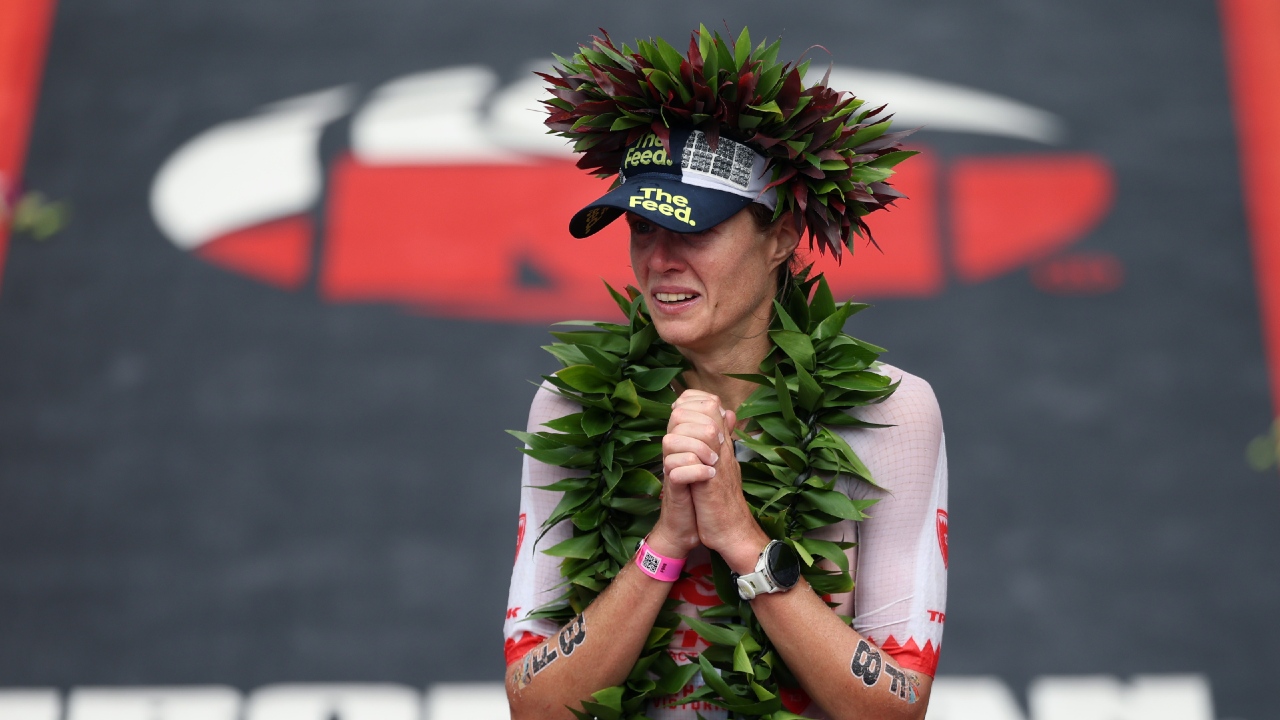


Every experienced triathlete knows the feeling. The legs suddenly feel heavy. Negative thoughts begin creeping in. The finish line seems impossibly far away. Pace drops, confidence disappears, and quitting starts to feel like an attractive option. This experience is often referred to as entering the “dark place” a period during a race when physical discomfort, mental fatigue, and emotional doubt combine to create a significant challenge. Whether competing in a sprint triathlon or an Ironman, almost every athlete encounters difficult moments. The difference is not whether the dark place appears, but how effectively an athlete responds when it does. The good news is that mental resilience can be developed just like physical fitness.

What Is the Dark Place?
The dark place is not a medical condition. Instead, it describes a period during competition when athletes experience:
- Physical discomfort
- Mental fatigue
- Negative self-talk
- Self-doubt
- Reduced motivation
It often occurs when:
- Fatigue accumulates
- Expectations clash with reality
- Race conditions become difficult
Athletes who understand what mindset helps triathletes perform at their best know that mental performance often becomes increasingly important as races get longer.
Accept That It Is Normal
One of the biggest mistakes athletes make is assuming something is wrong when difficult thoughts appear.
In reality:
- Fatigue is normal
- Discomfort is expected
- Doubt is common
Many elite triathletes experience exactly the same emotions during races. Accepting the challenge often reduces its power.
Focus on the Next Few Minutes
When athletes enter the dark place, they often start thinking about:
- Remaining distance
- Remaining hours
- Worst-case scenarios
This can become overwhelming.
Instead, narrow your focus.
Think about:
- The next aid station
- The next kilometre
- The next five minutes
Athletes who understand how can beginners progress from couch to triathlon often learn that large goals become manageable when broken into smaller steps.
Control What You Can Control
Many race-day frustrations involve factors outside your control:
- Weather
- Competitors
- Course conditions
Instead, focus on:
- Breathing
- Pacing
- Hydration
- Nutrition
- Posture
Directing attention toward controllable actions helps reduce anxiety and restore a sense of purpose.
Check Your Nutrition
Sometimes the dark place has a physiological cause.
Ask yourself:
- Have I eaten recently?
- Am I hydrated?
- Have I been fueling properly?
Athletes who understand how do carbs affect fat burning during endurance training know that inadequate fueling can significantly affect both physical and mental performance. A gel and some fluids can sometimes change the entire trajectory of a race.
Slow Down Before You Fall Apart
Many athletes respond to fatigue by pushing harder. This often accelerates the problem.
Instead:
- Ease the pace slightly
- Regain control
- Re-establish rhythm
A small adjustment may prevent a complete collapse later in the race.
Use Positive Self-Talk
The brain listens to what you repeatedly tell it.
Negative thoughts such as:
- “I’m done.”
- “I can’t do this.”
- “Everything hurts.”
often make the situation worse.
Replace them with:
- “Keep moving.”
- “Stay calm.”
- “One step at a time.”
- “I’ve handled this before.”
Athletes who understand how should older triathletes stay motivated and train with intensity often use positive self-talk as a key performance tool.
Remember Your Training
When doubt appears, remind yourself:
- You completed the long rides
- You completed the long runs
- You completed the swim sessions
- You prepared for this moment

Athletes who understand how can working professionals train for a 70.3 triathlon know how much effort goes into race preparation. Trust the work you’ve already done.
Use Aid Stations Strategically
Aid stations provide more than nutrition.
They offer opportunities to:
- Reset mentally
- Refocus
- Rehydrate
- Break the race into segments
Each aid station can feel like a fresh start.
Stay Present
The dark place often becomes worse when athletes obsess over:
- Past mistakes
- Future discomfort
Instead, focus on:
- Current pace
- Current breathing
- Current movement
Staying present helps prevent negative thought spirals.
Expect Highs and Lows
Endurance races rarely progress in a straight line.
Athletes often move through periods of:
- Strength
- Weakness
- Confidence
- Doubt
Athletes who understand what causes post-race depression in triathletes know that emotional fluctuations are a normal part of endurance sport.
The dark place usually passes.
Use Other Competitors as Motivation
During difficult moments, many athletes benefit from:
- Catching the next athlete
- Holding pace with a nearby competitor
- Staying engaged with the race environment
Small competitive goals can create useful distractions from discomfort.
Practice Mental Resilience in Training
Mental toughness isn’t developed only on race day.
Training opportunities include:
- Long runs
- Brick sessions
- Tough weather conditions
- Challenging workouts
Athletes who understand how to adapt to a triathlon training plan while traveling often develop resilience by learning to perform despite imperfect circumstances.
Remember Why You Started
During difficult moments, reconnect with:
- Personal goals
- Family support
- Health improvements
- Personal growth
Purpose can provide powerful motivation when physical energy is low.
Don’t Make Emotional Decisions
The dark place often encourages athletes to:
- Quit
- Walk unnecessarily
- Abandon race plans
Avoid making major decisions while emotions are at their peak.
Give yourself:
- Five minutes
- One aid station
- One kilometre
before reassessing.
Often the situation improves.
Confidence Comes From Experience
Every time an athlete successfully works through a difficult period, confidence grows. Athletes who understand what are the benefits of training with other triathletes often hear stories of others overcoming similar struggles, reinforcing the idea that difficult moments are survivable. Experience becomes a powerful asset.
The Dark Place Can Become a Strength
Many athletes eventually discover that the dark place is not something to fear.
It becomes:
- Familiar
- Manageable
- Temporary
Learning how to respond effectively can transform a race from a physical challenge into a mental victory.
The strongest triathletes are not necessarily those who never struggle. They are often the athletes who continue moving forward despite the struggle.
Common Mistakes During the Dark Place
Many athletes:
- Panic when fatigue appears
- Forget to fuel
- Focus on remaining distance
- Use negative self-talk
- Abandon pacing plans
- Compare themselves to others
- Make emotional decisions
- Assume the feeling will last forever
Most of these reactions can be managed with preparation and awareness.
How to Overcome the Dark Place?
Triathletes can navigate difficult race moments by:
- Accepting discomfort
- Breaking the race into smaller segments
- Focusing on controllable actions
- Fueling consistently
- Using positive self-talk
- Trusting their training
- Staying present
- Remaining patient
The dark place is a common part of endurance racing. While it may never become comfortable, athletes who develop effective coping strategies often discover that they are capable of far more than they initially believed.