

Running well in triathlon is different from running well in a standalone race. Triathlon runners must perform after swimming and cycling fatigue have already stressed the body. The fastest triathlon runners are not simply the fastest runners overall. They are the athletes who can maintain strong running mechanics, pacing, and endurance after hours of accumulated fatigue.
Becoming a faster triathlon runner depends on several factors:
- Aerobic endurance
- Running economy
- Bike pacing
- Strength and durability
- Nutrition
- Recovery
- Race execution
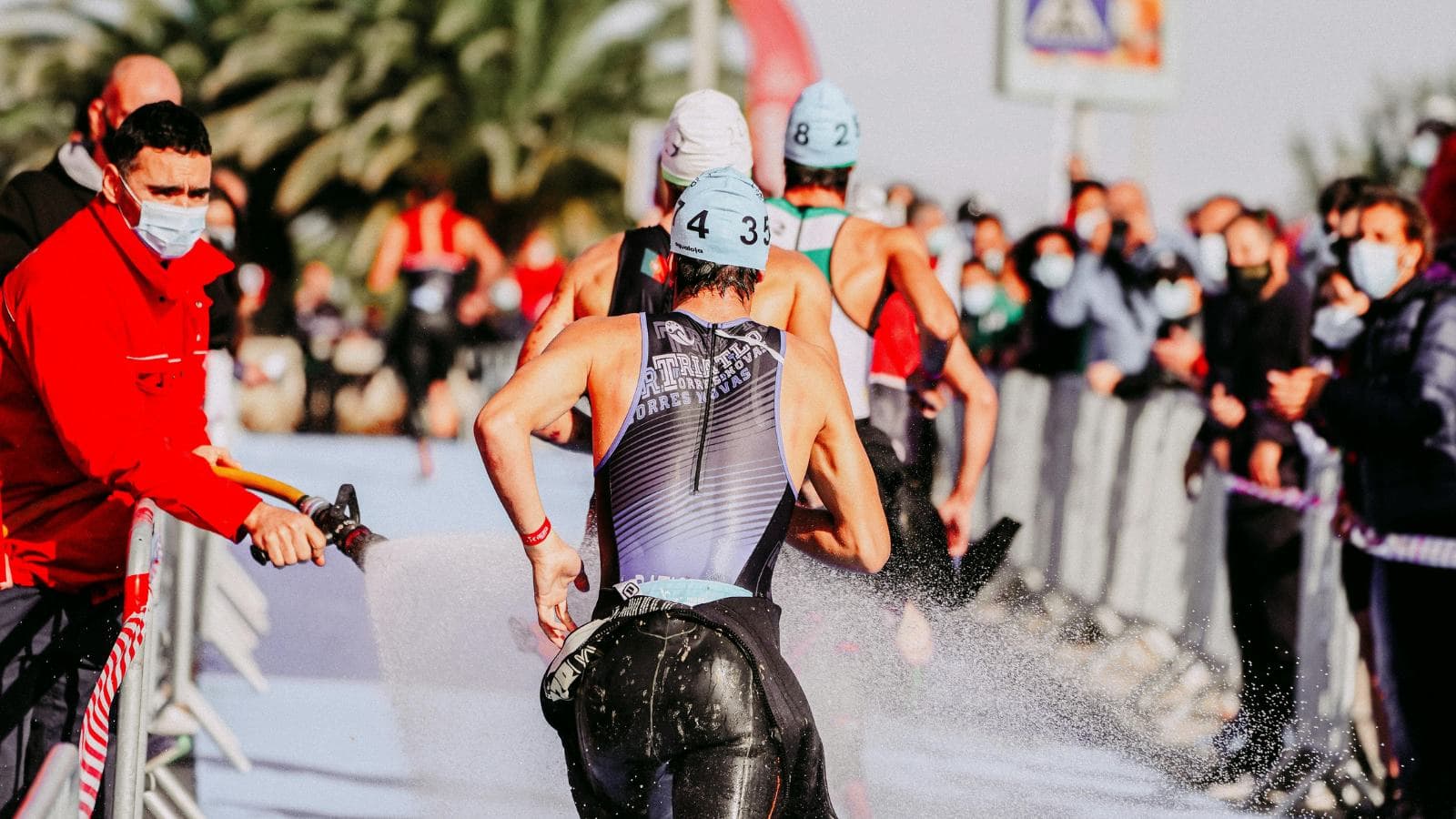
Many athletes focus too heavily on running speed alone while ignoring the fatigue created before the run even begins. Faster triathlon running usually comes from improving the entire race system rather than only the run itself. This becomes especially important when understanding the demands of race strategy that beginners should follow, where running performance changes significantly depending on race duration.
Aerobic Endurance Is the Foundation
Aerobic fitness is the biggest predictor of sustainable triathlon running performance.
Strong aerobic conditioning helps triathletes:
- Maintain pace under fatigue
- Recover between sessions
- Delay muscular breakdown
- Improve running economy
- Control heart rate drift
Most triathlon running occurs aerobically, especially during middle-distance and long-course racing. Athletes who develop stronger aerobic systems usually run more consistently throughout the final stages of races.
This is why endurance-focused methods such as 7 out of 10 effort ideal for running form the foundation of most successful triathlon training programmes.
Bike Pacing Directly Affects Run Performance
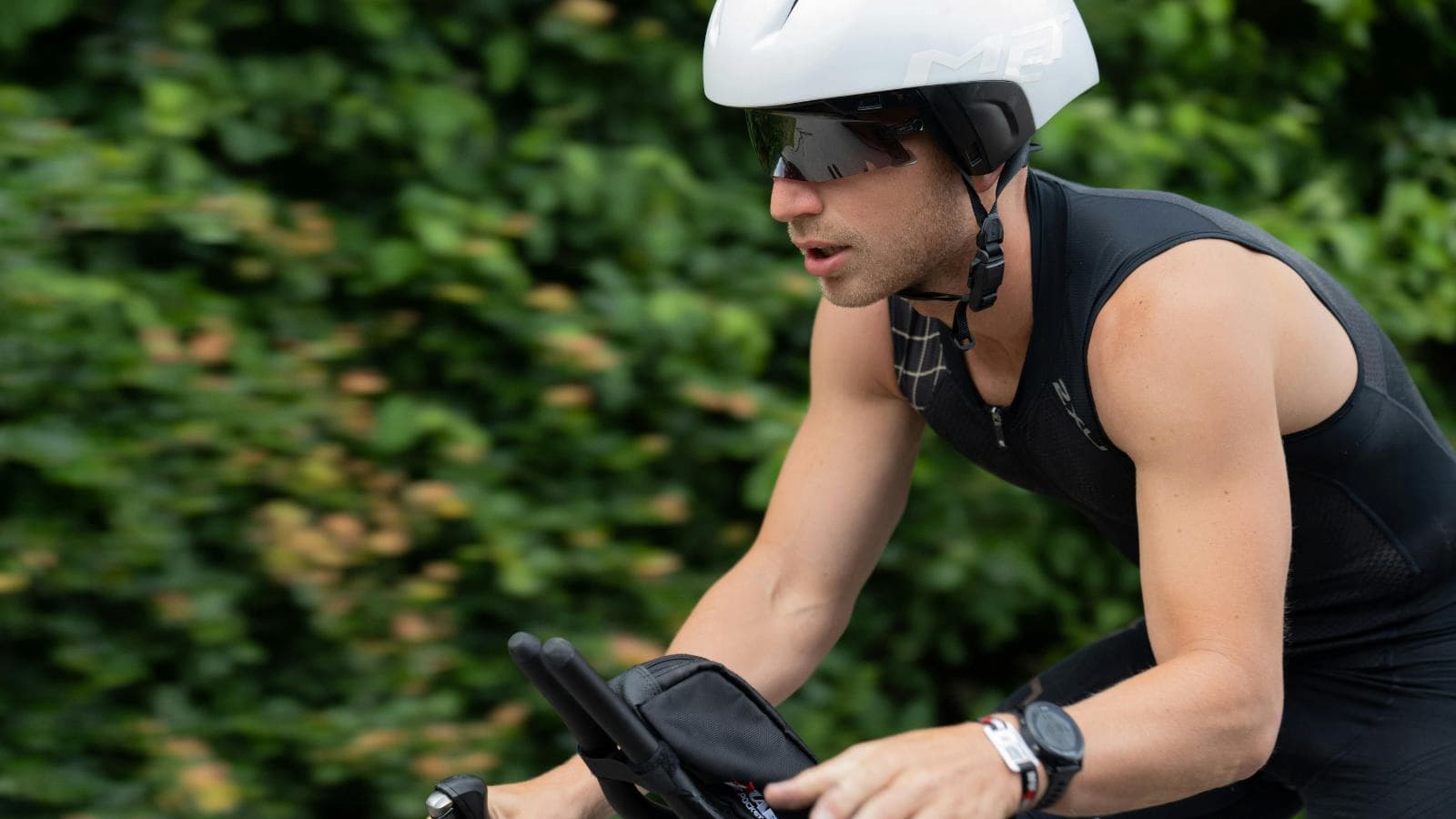
Many triathletes sabotage their run during the bike leg.
Cycling too aggressively creates:
- Glycogen depletion
- Muscular fatigue
- Elevated heart rate
- Dehydration
- Reduced running efficiency
The fastest overall triathlon runners are often the athletes who ride with the most control rather than the highest bike intensity and therefore this makes them more efficient cyclist.
Strong bike pacing allows athletes to start the run:
- More relaxed
- Better fuelled
- Less fatigued
- More mechanically efficient
This becomes increasingly important during longer races where pacing mistakes compound over several hours.
Running Economy Makes Athletes More Efficient
Running economy refers to how efficiently a runner uses energy at a given pace.
Triathlon runners with better economy:
- Waste less energy
- Maintain pace more easily
- Stay efficient under fatigue
- Preserve form longer
Important factors affecting running economy include:
- Cadence
- Posture
- Core stability
- Aerobic fitness
- Muscular strength
- Movement efficiency
Small improvements in economy create significant performance gains over longer races.
Strength Training Improves Durability
Strong triathlon runners are usually durable runners.
Strength training improves:
- Stability
- Force production
- Posture
- Fatigue resistance
- Injury prevention
Key areas include: - Glutes
- Hamstrings
- Core
- Calves
- Hip stabilisers
Triathlon running places additional stress on posture because fatigue accumulates from swimming and cycling beforehand. Athletes with better strength maintain mechanics more effectively during later race stages.
This is one reason many triathletes integrate principles from how to decrease injury risk while training for a triathlon into long-term development.
Brick Workouts Improve Transition Running
Brick sessions combine cycling followed immediately by running.
These workouts help athletes adapt to:
- Heavy-leg sensation
- Neuromuscular transition
- Post-bike pacing
- Fatigue management
- Running rhythm under stress
Brick training improves familiarity with race-specific fatigue. However, bricks should be used strategically rather than excessively because they create significant recovery demands.
Well-structured bricks improve confidence and pacing awareness far more effectively than random hard sessions.
Nutrition Strongly Influences Run Performance
Poor nutrition commonly causes run breakdown during triathlon racing.
Without adequate fueling, athletes experience:
- Energy crashes
- Reduced pace
- Poor concentration
- Muscular fatigue
- Increased perceived effort
Triathlon runners perform best when:
- Glycogen stores remain stable
- Hydration is maintained
- Electrolytes are balanced
- Carbohydrate intake is consistent
Long-course athletes especially need disciplined fueling strategies because run performance often depends more on energy management than pure speed.
Running Off the Bike Requires Different Mechanics
Triathlon running differs biomechanically from fresh running.
After cycling:
- Hip flexors tighten
- Cadence changes
- Stride mechanics shift
- Core fatigue increases
- Posture becomes harder to maintain
Efficient triathlon runners adapt quickly during the opening kilometres of the run instead of fighting fatigue aggressively.
This adaptation improves with:
- Experience
- Brick training
- Mobility work
- Controlled bike pacing
- Aerobic fitness
Athletes learning efficient race transitions often improve significantly through structured progression like improving run off the bike in a triathlon.
Recovery Determines Consistency
Consistent training matters more than occasional hard sessions.
Recovery quality directly affects:
- Running adaptation
- Injury risk
- Hormonal balance
- Fatigue management
- Training quality
Important recovery factors include:
- Sleep
- Nutrition
- Hydration
- Easy aerobic sessions
- Recovery weeks
Many triathletes fail to improve running because accumulated fatigue prevents quality adaptation.
This becomes increasingly important during demanding preparation blocks explained in how to prevent ironman training burnout.
Cadence Helps Maintain Efficiency
Efficient triathlon runners often maintain stable cadence under fatigue.
Higher cadence can help:
- Reduce overstriding
- Maintain rhythm
- Improve turnover
- Lower braking forces
- Reduce muscular strain
Cadence should remain natural rather than forced aggressively.
Most runners improve efficiency by making small adjustments gradually instead of chasing unrealistic turnover targets.
Mental Pacing Matters Late in Races
Triathlon running is heavily influenced by pacing psychology.
Athletes who start the run too aggressively often struggle later.
Strong triathlon runners understand:
- Sustainable effort
- Fatigue management
- Controlled pacing
- Emotional regulation
They avoid reacting emotionally to competitors early in the run.
Mental discipline often separates athletes who finish strongly from athletes who fade significantly in the final stages.
Open-Water Stress Can Affect the Run
Poor swim execution indirectly affects running performance later.
A stressful swim can elevate:
- Heart rate
- Anxiety
- Energy expenditure
- Early fatigue
Athletes who remain calm during the swim often preserve more energy for the bike and run.
This is one reason why confidence developed through swimming in open water for triathlon contributes to stronger overall race performance.
Threshold Development Improves Sustainable Pace
Lactate threshold influences how fast triathletes can run sustainably.
Threshold-focused sessions improve:
- Pace control
- Fatigue resistance
- Aerobic efficiency
- Sustainable speed
Useful threshold sessions include:
- Tempo runs
- Cruise intervals
- Progressive endurance runs
Threshold development works best when balanced with aerobic running rather than replacing it entirely.
Faster Triathlon Running Requires Smart Training Balance
The best triathlon runners rarely train every session hard.
Balanced programmes include:
- Aerobic endurance
- Threshold development
- Recovery sessions
- Strength work
- Technique practice
- Race-specific sessions
Athletes who balance stress and recovery effectively usually improve more consistently over time.
Common Mistakes That Slow Triathlon Runners Down
Many athletes limit running performance through avoidable habits.
Common mistakes include:
- Cycling too hard before the run
- Neglecting recovery
- Ignoring fueling
- Running easy sessions too fast
- Skipping strength training
- Overtraining
- Poor pacing
- Excessive intensity
Most triathlon running improvements come from consistency and efficiency rather than simply running harder.
Practical Ways to Become a Faster Triathlon Runner
Triathletes can improve running performance by:
- Building stronger aerobic fitness
- Improving bike pacing discipline
- Strength training consistently
- Practising brick sessions strategically
- Fueling properly during races
- Prioritising recovery
- Improving running economy
- Maintaining sustainable pacing
Long-term consistency almost always produces better results than aggressive short-term training blocks.